Hungary's Bee Population Threatened by Drought, Beekeepers Warn for 2027
Prolonged drought and heatwaves have devastated Hungary’s pollen supply, endangering up to 80% of bee colonies and threatening honey production and crop pollination for farmers.
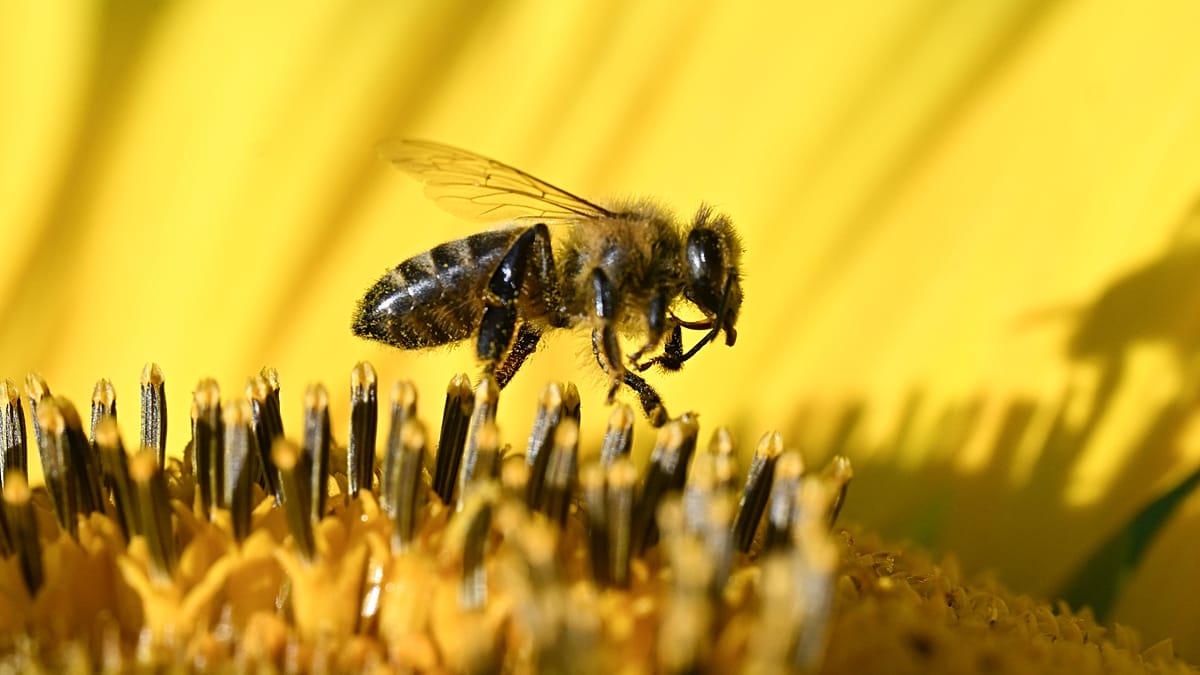
Hungary’s beekeeping sector is sounding the alarm over a severe pollen shortage threatening up to 80% of the country’s bee population, as prolonged drought and extreme heat have destroyed natural sources of nectar and pollen.
The National Hungarian Beekeeping Association (Országos Magyar Méhészeti Egyesület, OMME) has warned that the lack of pollen, a vital protein source for bee colonies, could lead to significant colony losses by spring 2027. The crisis has forced OMME to alert Szabolcs Bóna, Hungary’s minister responsible for agriculture and food policy, citing the unprecedented scale of bee starvation in the country.
Pollen is essential for raising young bees and ensuring healthy colony development. Without it, honey production declines and winter survival rates drop sharply. This year, around 80% of Hungary’s bees have struggled to find adequate natural pollen, as drought conditions have dried up even damp areas and riverbanks that typically provide late-summer forage. The scarcity of water and nectar forces bees to fly farther, depleting their energy and increasing mortality rates.
The situation also raises concerns about colony stability. Insufficient nectar can trigger aggressive behavior within hives, further reducing bee survival. OMME has emphasized that the current pollen deficit will have long-term consequences, affecting whether colonies survive the winter, recover in spring, and produce honey in 2025.
Because many beekeepers may fail to meet national colony maintenance requirements due to these losses, OMME has requested that authorities consider the extreme weather conditions and exceptional circumstances when enforcing regulations. The association is urging the government not to penalize beekeepers for losses they cannot control.
The crisis reflects broader environmental challenges in Hungary, where drought and heatwaves have already devastated agriculture and wildlife. Earlier this year, reports highlighted mass fish deaths at one of Hungary’s largest fish farms, underscoring the widespread impact of climate-related disasters.
#HungaryBeeCrisis #BeePopulationDecline #HungarianBeekeepers #OMME #AgricultureHungary #PollenShortage #ClimateImpact
Comments (0)
No comments yet — be the first to weigh in.
Euronews Morning Bulletin: Europe & Global News Highlights – August 30, 2026
Stay informed with Euronews' morning bulletin, covering breaking stories in politics, business, culture, and travel from Europe and worldwide on August 30, 2026.
Top 10 Most Expensive European Cities for Buying an Apartment in 2026
Discover Europe's most expensive cities for apartment purchases in 2026. Zurich and Geneva top the list, while Istanbul and Athens offer the lowest prices.

Lausanne Grand Slam 2026 Opens with Historic Swiss Judo Milestone
Lausanne’s 2026 Grand Slam marked Swiss judo history: the 2028 World Championships deal signed, adaptive athletes competed, and Aurélien Bonferroni won bronze.

Deadly Swiss Rave Shooting Leaves One Dead, Five Injured
A shooting at a Swiss rave in Aarau leaves one dead and five injured, prompting a major police operation. Authorities search for suspects as investigations continue.


Madrid’s €6.3m penthouse row: Ayuso faces scrutiny over temporary office purchase