How Identity and Dogmatism Fuel Political Violence in Democracies
Political violence is rising in democracies, fueled by rigid identities and dogmatism across the political spectrum, not just authoritarianism.
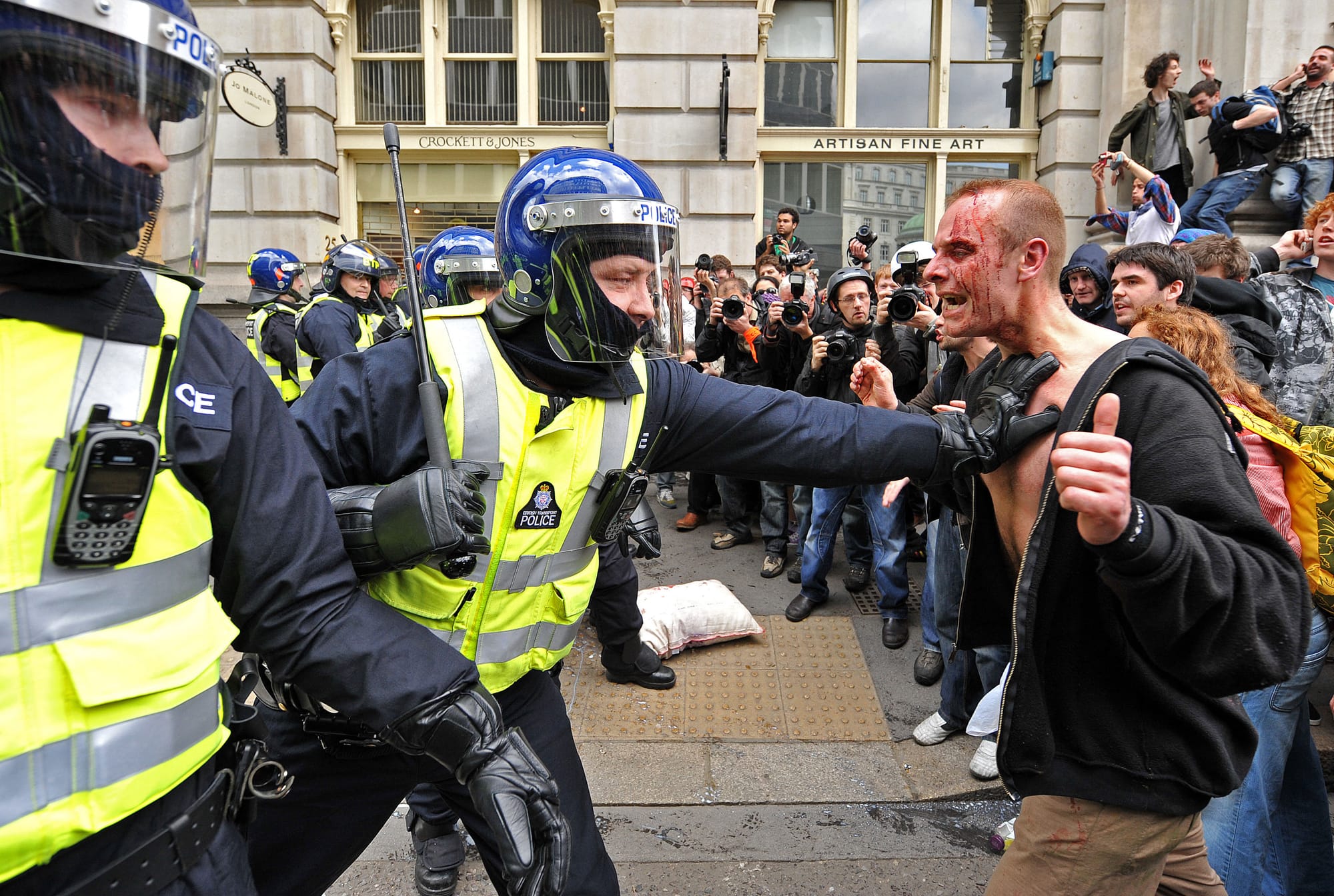
Political violence is increasing in democracies, with rising threats against politicians, particularly women and people of color. In the UK, alleged crimes against Members of Parliament have surged, and former officials continue to face safety concerns. For instance, Penny Mordaunt, a former Conservative cabinet minister, reported ongoing police investigations and court cases related to her safety two years after leaving office.
This rise in harassment is influenced by identity and perception. According to political neuroscientist Leor Zmigrod, when people shift from "I believe" to "I am," they become more dogmatic, favoring those who agree with them and disfavoring those who don't, even in unrelated areas. Extreme leftists and rightists can exhibit similar psychological profiles, particularly in stressful or uncertain environments. Zmigrod’s research indicates that dogmatists with rigid cognitive frameworks are more likely to endorse violence against perceived threats, justifying it as self-defense.
Identity can fluctuate based on events, such as national victories, but some identities remain potent due to deep injustices like racism or sexism. Historically, authoritarianism was thought to predispose individuals to support political violence, a theory shaped by researchers like Else Frenkel-Brunswik, who studied how people could condone or ignore atrocities like genocide. Frenkel-Brunswik linked authoritarianism to cognitive rigidity, particularly among right-wing individuals who view the world in black-and-white terms.
However, this theory has limitations. Subsequent research shows that rigidity and dogmatism, not just authoritarianism, can drive support for political violence across the political spectrum. Political psychology has since uncovered both differences and similarities in how conservatives, liberals, and others think, but the focus on authoritarianism alone tells only part of the story.
To address the rise in political violence, experts suggest several steps. Public condemnation of violence is essential, as is enforcing rules consistently and protecting the independence of enforcers. On a personal level, increasing cognitive flexibility can help reduce dogmatism. Reflecting on past moments of changing one’s mind may foster a more open mindset.
The solution isn’t to stop advocating for progress but to recognize the messenger’s role and the importance of condemning violence openly. By understanding the psychological underpinnings of political violence, society can work toward reducing its prevalence and fostering a more tolerant and adaptable political discourse.
Comments (0)
No comments yet — be the first to weigh in.
Related Coverage
 World
World
Slow start makes me want to stay - Norris extends McLaren deal to 2030
Lando Norris has signed a contract extension with McLaren, committing to the team through at least the end of the 2030 Formula 1 season. The 26-year-old British...
 World
World
Wales NHS gender surgeries paused for review into referral numbers
The Welsh Gender Service, based at St David’s Hospital in Cardiff, has temporarily suspended all new and scheduled referrals for gender-affirming surgeries as h...
 World
World
At least 37 dead and hundreds evacuated after strike on Kyiv warehouse
At least 37 people have been killed and nearly 400 evacuated after a Russian drone strike triggered explosions at a warehouse in the Kyiv region late Friday, Uk...
 World
World
Sarah Ferguson Expected to Return to UK Soon, Source Says
Former Duchess of York Sarah Ferguson, who lost her royal titles amid the Epstein scandal, is expected to return to the UK soon, a source told the BBC.
Most Read

Tottenham Hotspur sign Omar Marmoush on loan from Man City with permanent deal option

Nepal Flash Floods Death Toll Rises to 626, Over 2,400 Missing
Nicole Rifkin’s New Yorker Cover Honors Dolly Parton’s Legacy

Machine Learning Boosts Irradiance Prediction for Bifacial Solar Panels