How Archaeology Fuels Israeli Nationalism and West Bank Annexation
Explore the intersection of archaeology, Israeli nationalism, and territorial expansion in the West Bank, and its impact on Palestinians.

Archaeology and Annexation in Palestine: A Historical and Political Intersection
June 2025 – The discovery of the Dead Sea Scrolls in 1947 and the establishment of the modern state of Israel in 1948 stand as two pivotal events in 20th-century history. While these milestones occurred in consecutive years, their connection extends beyond mere timing. A recent episode of the podcast *Know Your Enemy* explores the role of archaeology in shaping Israeli nationalism, particularly in justifying territorial claims and influencing international support.
The episode, co-hosted by Matthew Sitman and Sam Adler-Bell, features Jasper Nathaniel, a journalist whose reporting has documented the impact of archaeological practices on Palestinian communities in the West Bank. Nathaniel highlights how Israel has leveraged archaeological sites to reinforce claims to the region, historically referred to as Judea and Samaria, and to legitimize settlement expansion under the guise of heritage preservation.
Archaeology has long been intertwined with Zionist narratives, with excavated sites presented as evidence of historical Jewish presence. This narrative has been used to support territorial annexation, particularly in the West Bank, where many such sites are located. Nathaniel’s work underscores the dual role of these excavations: while they uncover historical artifacts, they also serve as tools for political and territorial control.
The podcast further examines how archaeological projects in the West Bank have contributed to what Nathaniel describes as an "archaeological apartheid." Protected heritage sites, often declared by Israeli authorities, have been used to restrict Palestinian access to land, facilitating settlement expansion. The episode cites recent reporting, including Nathaniel’s 2024 article *In Ruins: Archaeological Warfare in the West Bank*, which documents the displacement and violence faced by Palestinian communities due to these practices.
International support, particularly from Christian Zionist groups, has been bolstered by the perception of Israel as the steward of the "Holy Land." The podcast notes how archaeological discoveries, such as the Dead Sea Scrolls, have been framed as evidence of Israel’s historical and religious connection to the land, thereby strengthening political and financial backing for settlement projects.
The episode also references historical and contemporary examples of archaeological exploitation. A 2019 Harper’s Magazine article by Rachel Poser, *Common Ground: The Politics of Archaeology in Jerusalem*, examines how archaeology in Jerusalem has been used to reinforce Israeli sovereignty claims. Meanwhile, Bezalel Smotrich, Israel’s Minister of Finance, has publicly advocated for policies that prioritize Jewish heritage sites in land-use decisions.
The intersection of archaeology and politics remains a contentious issue, with far-reaching consequences for Palestinian communities. Nathaniel’s reporting underscores the urgent need for transparency and accountability in archaeological practices, particularly when they intersect with state policies that contribute to displacement and conflict.
Listeners interested in further exploration can access additional resources, including Nathaniel’s work and related articles, through the podcast’s Patreon page. The episode serves as a reminder of how historical narratives, when weaponized, can shape present-day realities—often at a significant human cost.
Comments (0)
No comments yet — be the first to weigh in.
Related Coverage
 Politics
Autumn Hill Sentenced to 50 Years in Prison for Anti-ICE Protest: A Case of Political Persecution?
Activist Autumn Hill received a 50-year prison sentence for protesting outside a Texas ICE facility. Critics call her conviction a politically motivated use of terrorism charges against anti-fascist demonstrators.
 Politics
Headlines for August 26, 2026
Iran has resumed talks with Oman about managing the Strait of Hormuz while tensions in the region remain high, despite economic pressure from the United States....
 Politics
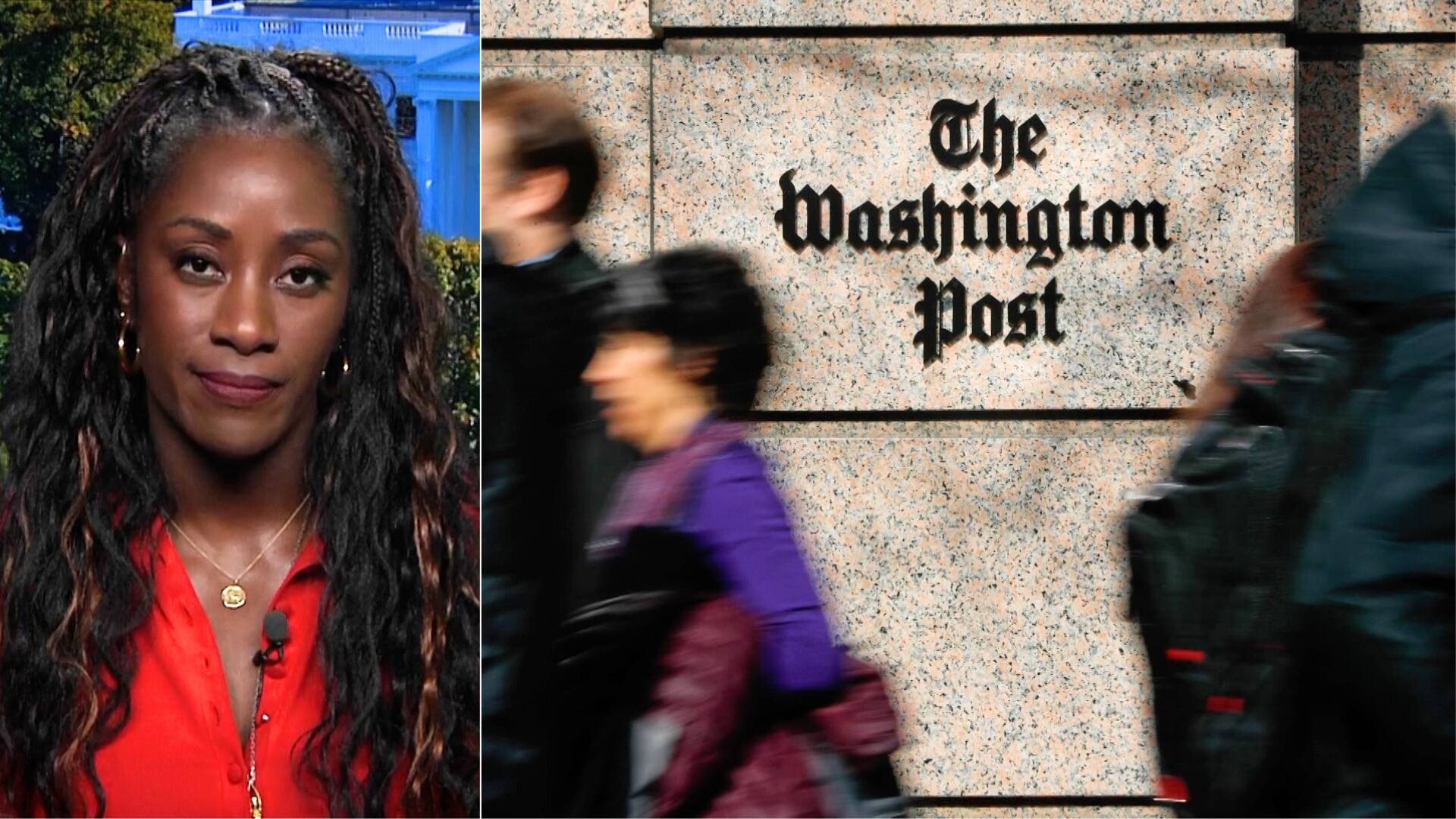
Karen Attiah Wins Reinstatement at Washington Post After Arbitration Victory
Award-winning Washington Post columnist Karen Attiah has been reinstated with back pay after an arbitrator ruled in her favor following her controversial firing over social media posts about Charlie Kirk.
 Politics
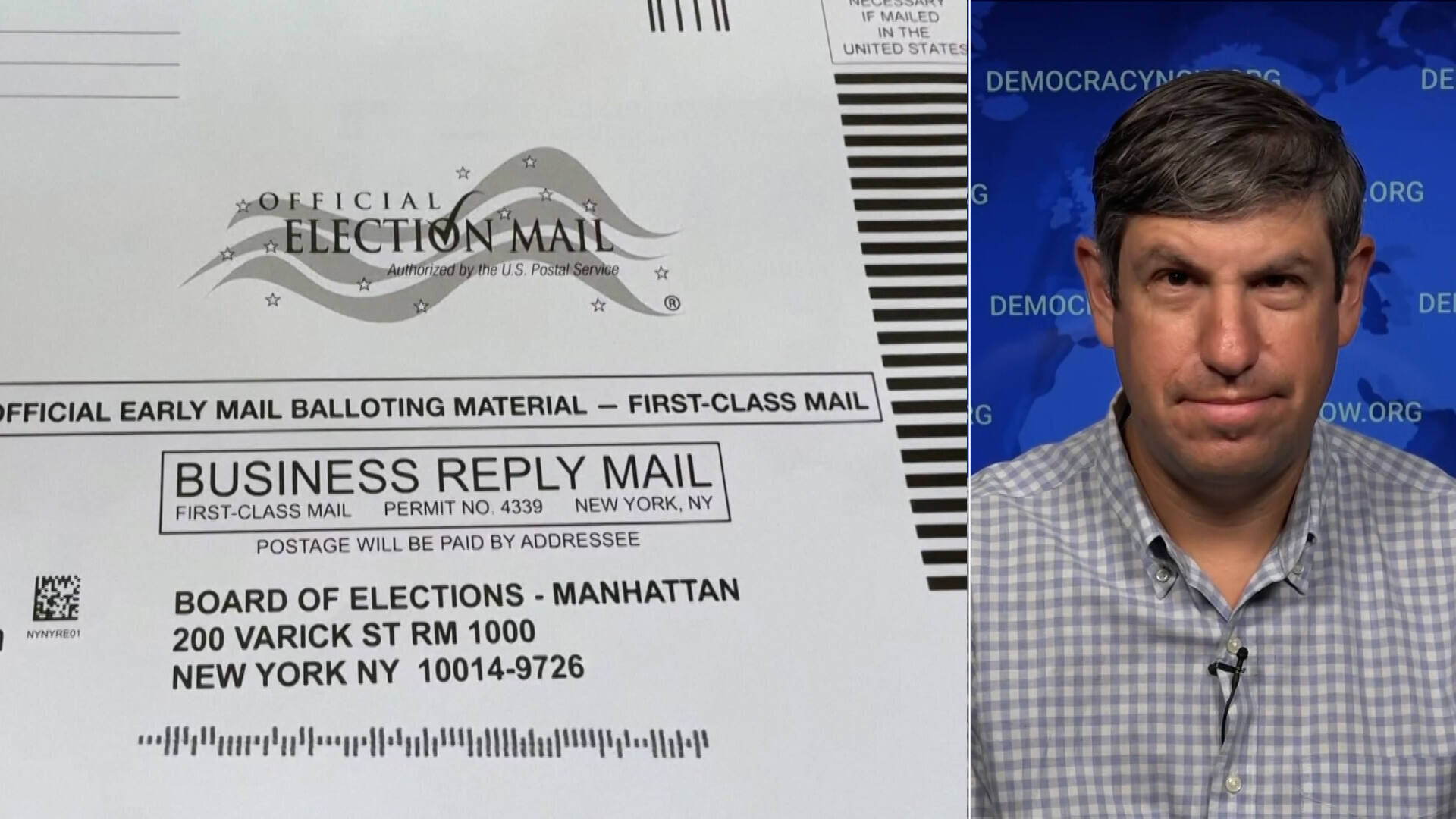
Supreme Court Allows Trump’s Mail-In Voting Restrictions to Proceed: What It Means for Midterms
The Supreme Court’s 6-3 decision lifts an injunction on Trump’s executive order restricting mail-in voting, raising concerns over potential voter disenfranchisement ahead of the midterm elections.
Most Read

Three-storey building collapses at Swaminarayan temple in Prayagraj, no casualties
Kai Bird Explores Roy Cohn's Influence on Donald Trump's America

Canada's Solar Energy Growth: Provinces Chart Diverse Paths to 2035 Goals
Autumn Hill Sentenced to 50 Years in Prison for Anti-ICE Protest: A Case of Political Persecution?
