Hotel Occupancy Rises 4.4% YoY Amid 2025 Travel Slowdown, Experts Say
Hotel occupancy in 2025 saw a 4.4% year‑over‑year increase, despite early‑year travel weakness. Analysts note the uptick as a sign of gradual recovery in the hospitality sector.

Hotel occupancy rates experienced a modest improvement in early January 2026 compared to the same period in 2025, according to industry tracking data. Data from industry sources, reported by Calculated Risk on January 11, 2026, indicates a 4.4% year-over-year increase in occupancy rates for hotels nationwide. While the uptick suggests a gradual recovery in the hospitality sector, analysts caution that early January typically represents one of the slowest travel periods of the year, making definitive assessments premature.
The travel industry traditionally observes reduced activity in the first weeks of January due to the conclusion of holiday travel and the resumption of work and school schedules. This seasonal trend can obscure underlying trends in hotel performance during the early part of the year. Industry observers note that sustained recovery in occupancy rates will depend on factors such as business travel demand, leisure tourism patterns, and broader economic conditions.
The reported increase follows a period of weakened occupancy in 2025, which continued to challenge hotel operators amid shifting consumer behavior and economic uncertainty. While the 4.4% rise offers a positive signal, it does not by itself indicate a full rebound to pre-pandemic levels or sustained growth across all market segments.
Industry analysts emphasize the need for continued monitoring of several key indicators, including average daily rates, revenue per available room (RevPAR), and group booking activity. These metrics provide deeper insight into the financial health of the sector beyond simple occupancy figures.
The data comes at a time when the hospitality industry remains cautiously optimistic about recovery prospects, supported by steady corporate travel spending and pent-up demand for leisure travel. However, the trajectory of inflation, labor costs, and potential geopolitical disruptions remain significant variables that could influence future performance.
As the year progresses, hospitality stakeholders will be closely watching indicators such as conference attendance, international travel recoveries, and consumer confidence levels to assess the durability of the current uptick in occupancy.
For now, the modest improvement in early January serves as a tentative positive sign, but industry experts stress that a full recovery will require sustained demand throughout the year and across all segments of the market.
Comments (0)
No comments yet — be the first to weigh in.
Related Coverage
 Business
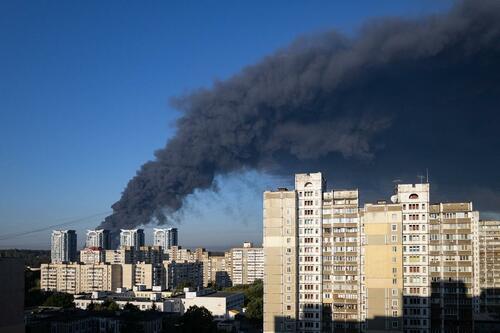
Russian Drone Strike on Kiev Ammo Depot Kills 37, Sparks Evacuations
A Russian drone strike on an ammunition depot near Kiev caused massive explosions, killing 37 and injuring dozens. Ukraine's food logistics infrastructure is 90% destroyed, raising concerns ahead of winter.
 Business
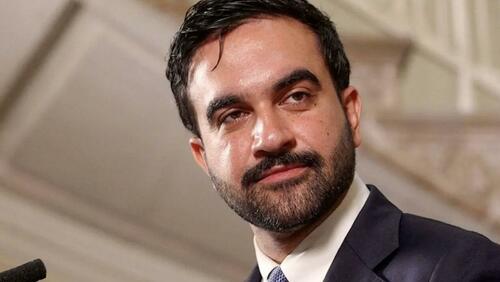
Mamdani Begs Capitalists At The Adult Table For Help
New York City Mayor Zohran Mamdani has launched a Business Advisory Council, signaling a notable shift in his approach to engaging with the city's business...
 Business
Watch: Russian Military Conducts Test Of Huge Mobile ICBM
Russia’s Defense Ministry announced Friday that its Strategic Missile Forces conducted a successful test launch of a mobile, solid-fuel intercontinental ballist...
 Business
Have We Really Learnt The Lessons Of The GFC?
Two decades after the 2006 launch of the Constant Proportion Debt Obligation (CPDO), a financial product that promised AAA-rated returns while leveraging bets o...
Most Read
Canada's Solar Energy Growth: Provinces Chart Diverse Paths to 2035 Goals

Autumn Hill Sentenced to 50 Years in Prison for Anti-ICE Protest: A Case of Political Persecution?

Hull City Secure 1-0 Away Win at Coventry, Maintain Perfect Premier League Start

DSM-6 to Integrate Biology in Mental Health Diagnosis for First Time