Germany arrests alleged Nord Stream saboteur after spy saga reveals Ukraine links
Germany detains a Ukrainian deep-sea diver linked to 2022 Nord Stream pipeline bombings. Trial set to expose geopolitical fallout and Ukraine's alleged role in sabotage.
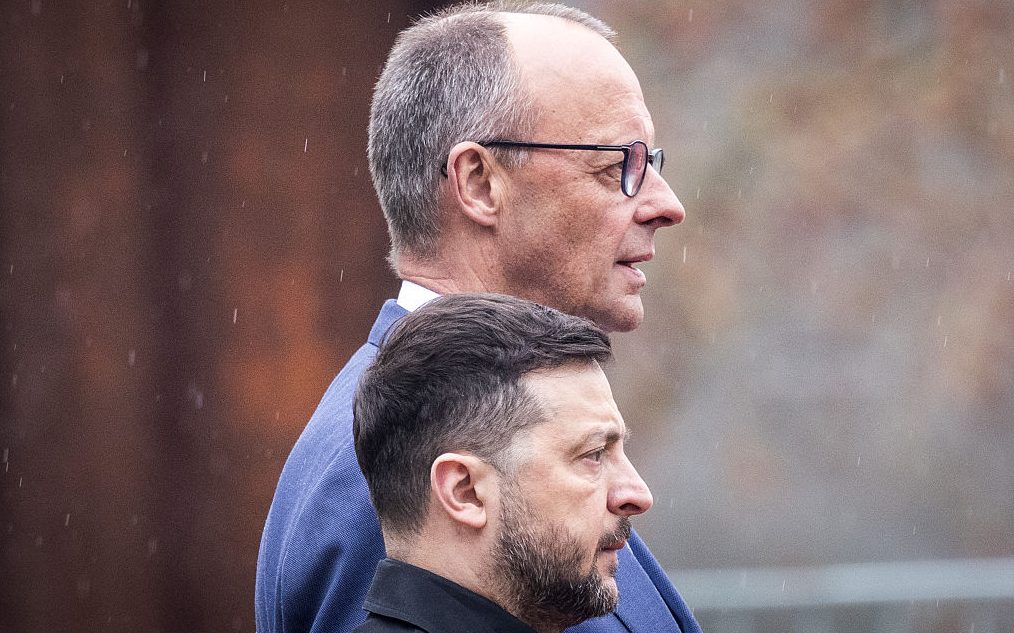
Germany has detained another suspected participant in the September 2022 bombing of the Nord Stream gas pipelines, underscoring the ongoing legal fallout from an operation that disrupted Europe’s energy security and strained relations between Germany and Ukraine. Volodymyr Zhuravlev, a Ukrainian deep-sea diver, was arrested in the Croatian coastal city of Pula last week. Authorities allege he played a direct role in the sabotage of the pipelines, which supplied a significant portion of Germany’s natural gas before the attack.
The first criminal trial related to the Nord Stream explosions is scheduled to begin in Hamburg on October 26, raising questions about the chain of command behind the operation. Prosecutors are expected to examine whether Ukrainian leadership, including President Volodymyr Zelensky, was aware of or authorized the attack. The explosions caused a prolonged energy crisis in Germany, forcing the country to seek costly alternatives to Russian gas and accelerating its transition away from fossil fuels.
The Nord Stream pipelines were central to Germany’s decades-long energy relationship with Russia. Planned under former Chancellor Gerhard Schröder, who maintained close ties with Russian President Vladimir Putin, Nord Stream 1 began operations in 2011, transporting gas from near St. Petersburg to Mecklenburg-Vorpommern. Nord Stream 2, completed in 2021, was designed to double capacity but never entered service after Germany suspended its certification following Russia’s full-scale invasion of Ukraine.
Criticism of the pipelines came early from Eastern European allies, particularly Poland, which viewed the project as a strategic vulnerability. The United States also imposed sanctions targeting figures such as Matthias Warnig, the former East German Stasi officer and Nord Stream CEO. Despite growing geopolitical tensions, German policymakers long adhered to the principle of “Wandel durch Handel” (change through trade), arguing that economic engagement would promote democratic reforms in Russia.
By early 2022, with tensions escalating, German officials finally moved to halt Nord Stream 2. Yet when the pipelines were attacked on September 26, 2022—three of the four pipeline tubes were severely damaged near the Danish island of Bornholm—initial suspicions fell on Russia. A subsequent investigation by German prosecutors determined that the operation originated from a German-registered sailing yacht and involved highly trained operatives, including Ukrainian military divers.
Among those charged is Serhiy Kuznetsov, the alleged ringleader, who was arrested in Italy in August 2023 and extradited to Germany. Zhuravlev’s recent arrest in Croatia marks another breakthrough in a case that points to state-sponsored sabotage. Authorities believe the explosives used—estimated at 50 to 100 kilograms of C4—were beyond the capability of private actors, indicating direct involvement by a national intelligence or military organization.
Ukraine has denied responsibility, with early claims suggesting a private financier. However, investigative reporting, including work by journalist Bojan Pancevski in *The Nord Stream Conspiracy*, has linked the operation to Ukraine’s military command under then-Commander-in-Chief Valerii Zaluzhnyi. While Zelensky’s direct involvement remains unconfirmed, the German government has not publicly challenged the prosecutor’s findings.
Poland has condemned the perceived lack of accountability, with Prime Minister Donald Tusk recently criticizing Berlin’s handling of the case. Germany’s continued support for Ukraine may face greater scrutiny as details emerge, particularly regarding the attack’s impact on European energy solidarity and the broader implications for NATO and EU enlargement.
#NordStream #Germany #Ukraine #EnergySecurity #VolodymyrZelensky #GerhardSchröder #NordStream2 #EU
Comments (0)
No comments yet — be the first to weigh in.
Related Coverage
 Politics
Autumn Hill Sentenced to 50 Years in Prison for Anti-ICE Protest: A Case of Political Persecution?
Activist Autumn Hill received a 50-year prison sentence for protesting outside a Texas ICE facility. Critics call her conviction a politically motivated use of terrorism charges against anti-fascist demonstrators.
 Politics
Headlines for August 26, 2026
Iran has resumed talks with Oman about managing the Strait of Hormuz while tensions in the region remain high, despite economic pressure from the United States....
 Politics
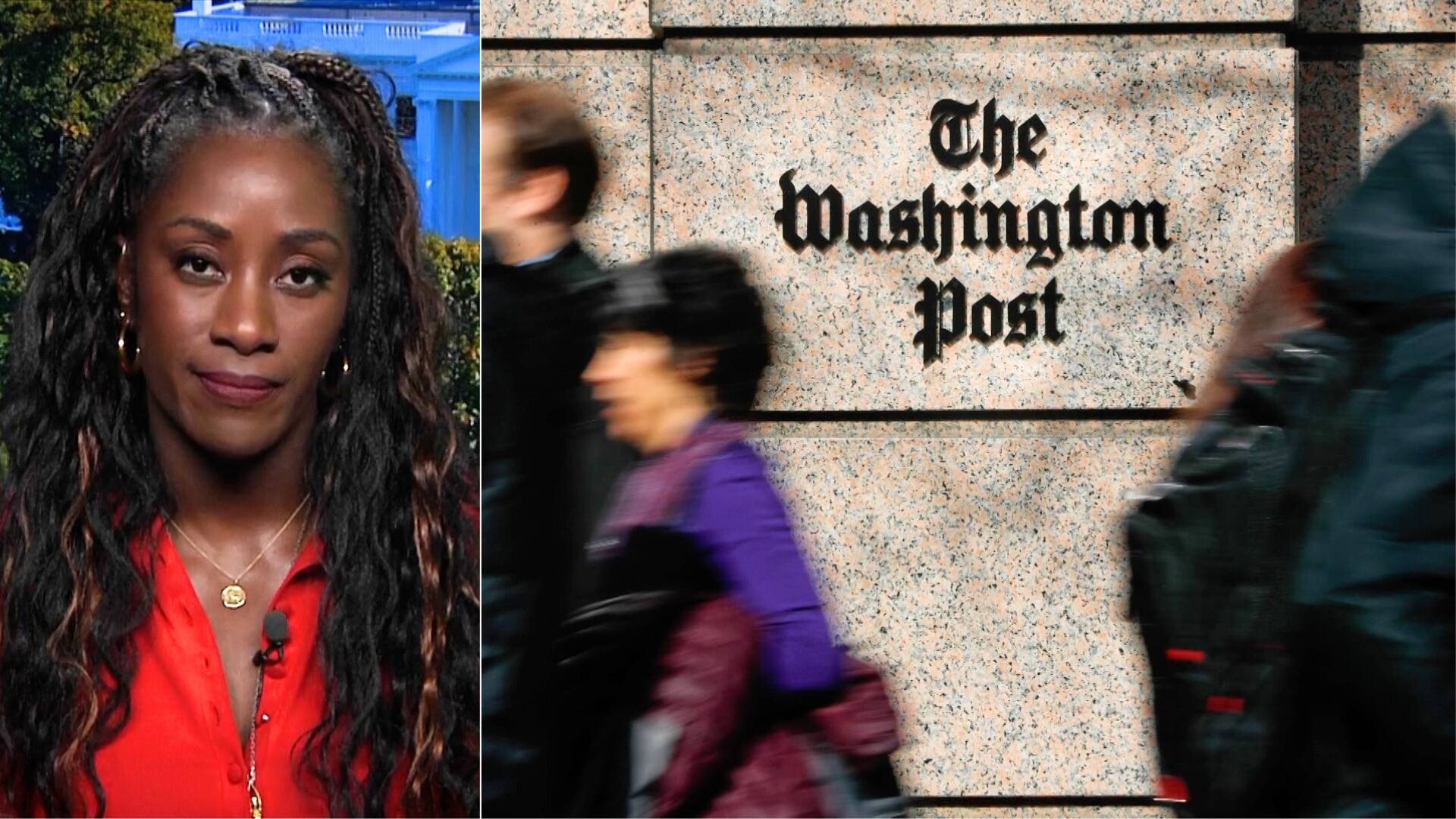
Karen Attiah Wins Reinstatement at Washington Post After Arbitration Victory
Award-winning Washington Post columnist Karen Attiah has been reinstated with back pay after an arbitrator ruled in her favor following her controversial firing over social media posts about Charlie Kirk.
 Politics
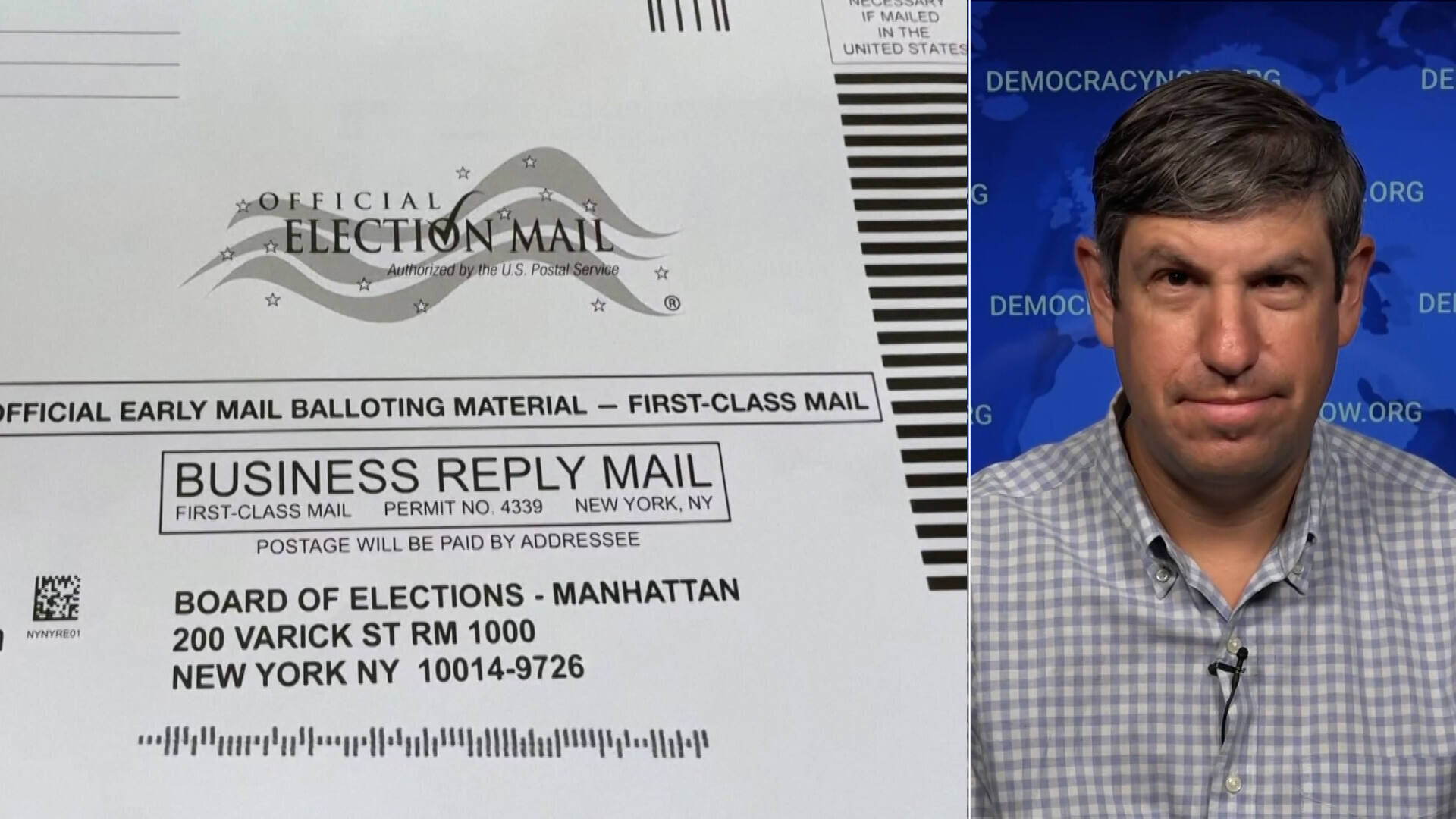
Supreme Court Allows Trump’s Mail-In Voting Restrictions to Proceed: What It Means for Midterms
The Supreme Court’s 6-3 decision lifts an injunction on Trump’s executive order restricting mail-in voting, raising concerns over potential voter disenfranchisement ahead of the midterm elections.
Most Read

Three-storey building collapses at Swaminarayan temple in Prayagraj, no casualties
Kai Bird Explores Roy Cohn's Influence on Donald Trump's America
Canada's Solar Energy Growth: Provinces Chart Diverse Paths to 2035 Goals
Autumn Hill Sentenced to 50 Years in Prison for Anti-ICE Protest: A Case of Political Persecution?
