From flames to haze, wildfire smoke transforms as it travels, and it can harm your health in different ways
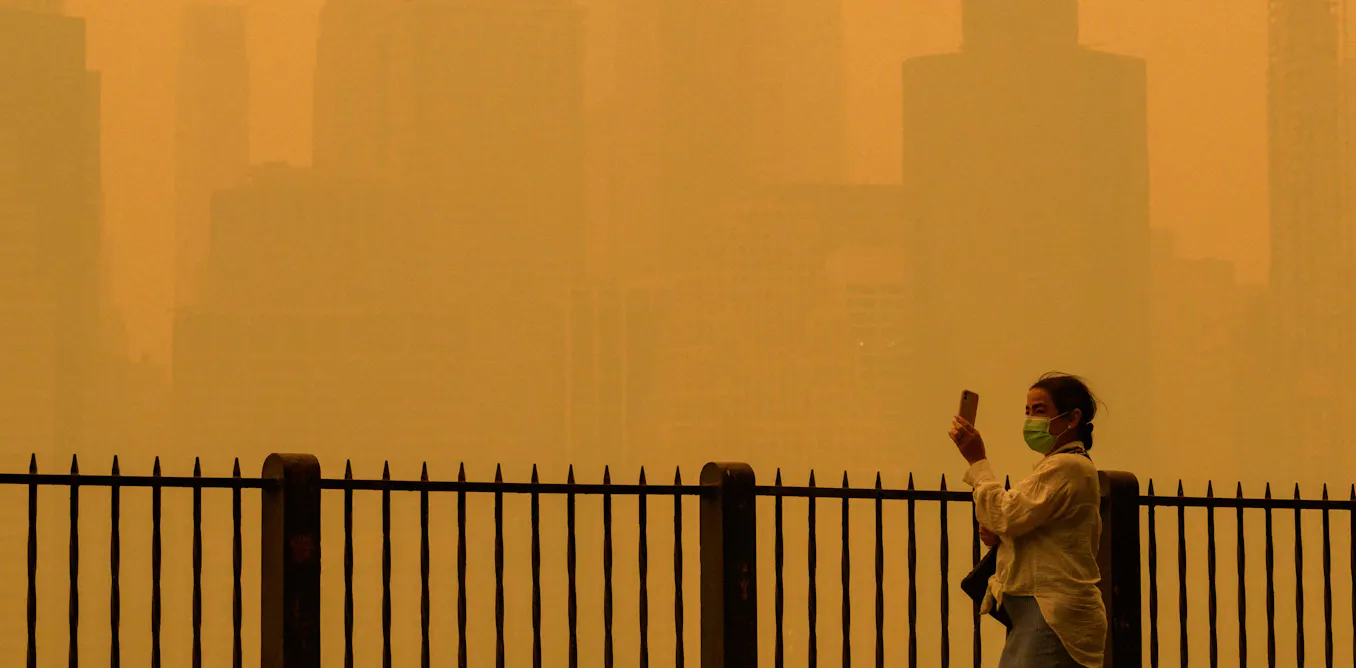
Wildfire smoke undergoes dramatic changes as it travels thousands of miles from western wildfires to the East Coast and Midwest, transforming its appearance, smell and chemical composition along the way—and posing evolving health risks to millions of Americans.
In the summer of 2026, wildfires burning hundreds of miles away blanketed cities from Chicago to New York in thick smoke, forcing cancellations of outdoor activities and overburdening air conditioning systems. The phenomenon has become increasingly familiar in western states like California and Oregon, where residents regularly face poor air quality during fire season. Atmospheric chemists at the National Oceanic and Atmospheric Administration (NOAA) Chemical Sciences Laboratory study how wildfire smoke evolves during its journey, from initial combustion to distant communities.
When wildfires ignite, they release fine particulate matter (PM2.5), nitrogen oxides and volatile organic compounds (VOCs) that can harm the lungs, heart and other organs. The chemical makeup of smoke depends largely on burning conditions: hot, intense fires produce nitrogen oxides and reactive carbon compounds, including carcinogenic aromatic hydrocarbons, while cooler, smoldering fires emit toxic aromatic oxygenates and ammonia. Most wildfires exhibit a mix of both, shifting as weather and fuel conditions change.
Once smoke leaves the fire, its behavior is shaped by wind, temperature and sunlight. Strong updrafts from large fires can lift plumes high into the atmosphere, where powerful winds carry them across continents. In some cases, wildfire smoke fuels the formation of pyrocumulonimbus clouds, which inject particles into the stratosphere and enable long-distance transport.
As smoke travels, sunlight triggers rapid chemical reactions. Ultraviolet radiation breaks down molecules, creating radicals that oxidize VOCs and form ground-level ozone—a lung irritant and key component of urban smog. Near the source, smoke is dark and acrid with a campfire scent from phenolic compounds like guaiacol. But after hours of exposure to light and oxidants, these compounds degrade, eliminating the familiar smell. Meanwhile, dark carbon particles undergo bleaching, transforming dense brown plumes into milky white haze that scatters blue and green light, giving distant regions an eerie, perpetual sunset glow.
When aged smoke drifts over cities, it can combine with urban pollution from vehicle emissions, reviving chemical reactions and compounding air quality concerns. Although the smoke’s appearance and odor change, its health risks remain significant. Fine particulate matter continues to pose threats to respiratory and cardiovascular health, even after traveling great distances.
Researchers emphasize that understanding smoke aging is critical for predicting air quality impacts and protecting public health. With wildfire activity projected to intensify across North America, the transport and chemical transformation of smoke represent a growing challenge for air quality management and climate adaptation.
#WildfireSmoke #AirQuality #NOAA #PM25 #Ozone #PublicHealth #ClimateChange
Comments (0)
No comments yet — be the first to weigh in.
Related Coverage
 Science
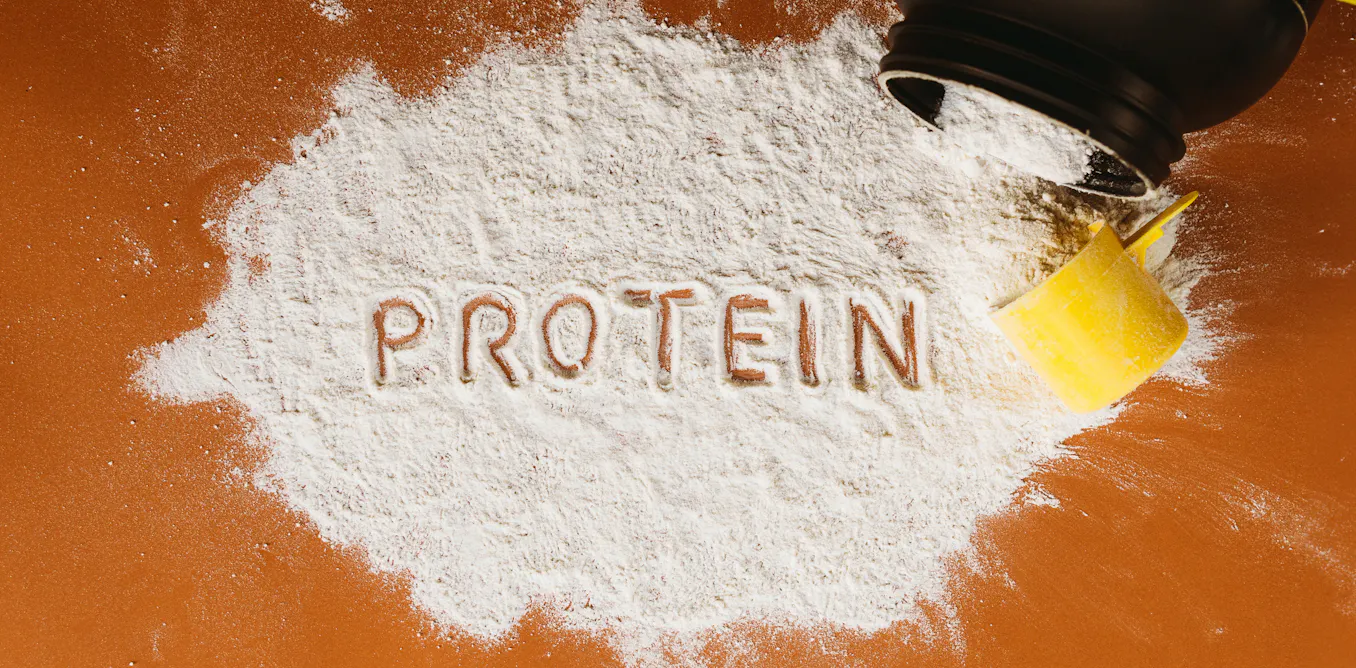
More protein in your breakfast or snacks won’t give you more muscle without more work – a biologist separates the science from the marketing
The modern breakfast aisle looks dramatically different than it did a generation ago, with protein-enriched cereal, bread, chips, and even Pop-Tarts now crowdin...
 Science
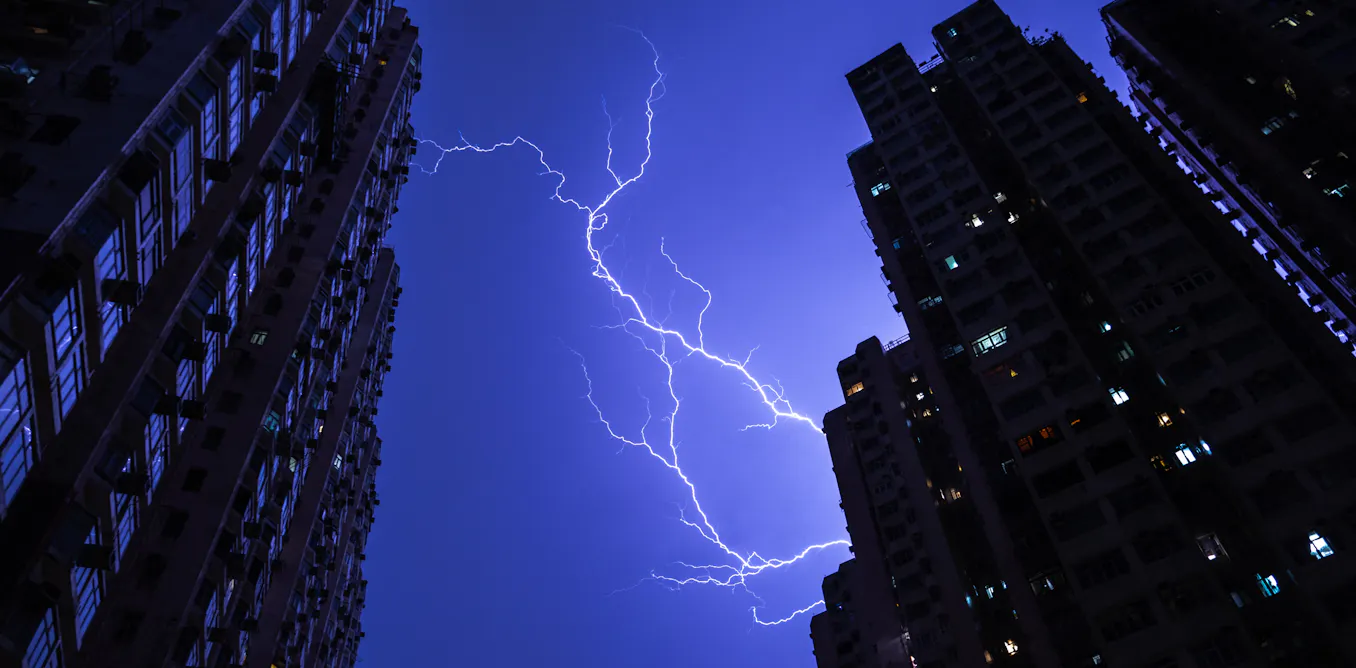
Thunderquakes: New Seismic Imaging Method Uses Thunder to Map Earth's Subsurface
Scientists discover how thunderquakes can X-ray the ground below, offering a cost-effective way to map groundwater, sinkholes, and subsurface hazards using existing fiber-optic cables.
 Science
Just as the world appears to be losing its appetite for books, William T. Vollmann pens a 3,000-page novel
William T. Vollmann’s forthcoming novel, *A Table for Fortune*, arrives as public interest in long-form reading appears to decline. The 3,000-page, four-volume...
 Science
Science Behind Ice Cubes Cooling Your Drink Explained
Discover how ice cubes lower drink temperature through energy transfer and heat exchange in simple terms. Learn the physics behind cooling your beverage.
Most Read

Arunachal CM Unveils Vision 2036 for Youth Skill & Entrepreneurship Growth
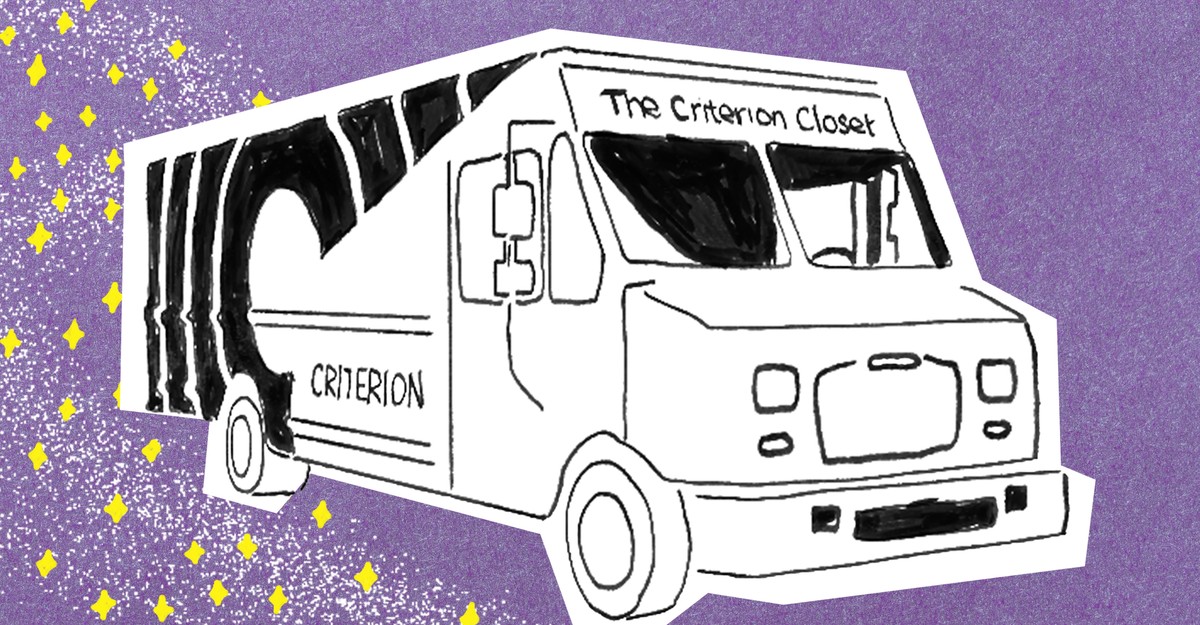
KPop Demon Hunters Joins Criterion Collection: Why the Animated Hit Stands Out

Global renewable energy investments hit $327.5B in H1 2026, solar-plus-storage surges

Supreme Court Allows Trump’s Mail-In Voting Restrictions to Proceed: What It Means for Midterms
