FDA approves breakthrough pancreatic cancer drug – an oncologist explains how daraxonrasib nearly doubles survival
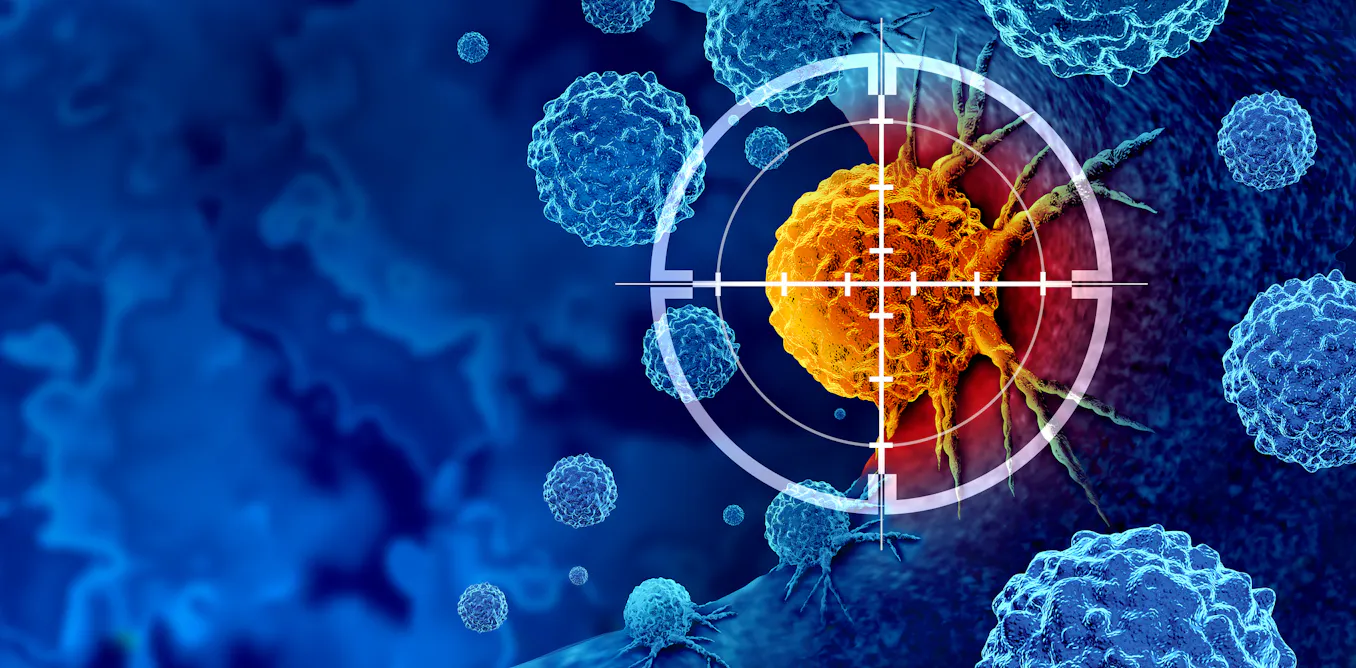
The U.S. Food and Drug Administration has approved a new pancreatic cancer treatment that nearly doubles survival rates for patients with advanced disease. The drug, daraxonrasib, targets a key protein mutation driving 90% of pancreatic tumors, offering a breakthrough after decades of limited progress. The approval, announced on August 26, 2026, marks a significant step forward in precision medicine for a cancer that has historically had few effective options.
Pancreatic cancer remains one of the deadliest forms of cancer, with a five-year survival rate below 3% for patients diagnosed with metastatic disease between 2015 and 2021. The disease’s late detection and resistance to conventional treatments have long frustrated oncologists and researchers. Standard therapies, primarily chemotherapy, often fail to prevent tumor progression and come with severe side effects due to their broad impact on healthy cells.
The genetic driver behind most pancreatic cancers is a mutation in the KRAS gene, which regulates cell growth. For years, KRAS was considered "undruggable" because its smooth surface lacked the molecular pockets needed for traditional drug binding. This forced reliance on chemotherapy, which acts as a blunt tool rather than a precise treatment.
Daraxonrasib, developed by Revolution Medicines, changes this paradigm. Instead of targeting KRAS directly, the drug binds to cyclophilin A, a protein that helps fold other proteins into their functional shapes. This complex then attaches to KRAS, shutting down its ability to signal cancer cells to multiply. The approach has shown dramatic results in a Phase 3 clinical trial involving 500 patients with metastatic pancreatic cancer who had undergone prior treatments.
In the trial, daraxonrasib nearly doubled overall survival compared to chemotherapy, extending median survival from 6.7 months to 13.2 months. The drug also reduced the risk of death by 60%. While side effects included a prominent skin rash, stomatitis, diarrhea, nausea, and vomiting, fewer patients discontinued treatment due to severe reactions compared to those receiving chemotherapy. Quality-of-life measures, including reduced pain, also improved for those taking daraxonrasib.
The FDA’s approval of daraxonrasib opens new possibilities for patients and researchers alike. The drug’s real-world application will provide critical data to refine treatment protocols and guide future studies. Scientists anticipate further exploration of combination therapies, pairing KRAS inhibitors with other drugs to prevent resistance and extend survival. Additional "next-generation" inhibitors are also in development, aiming to enhance efficacy while minimizing toxic side effects.
This approval underscores the transformative potential of precision medicine in pancreatic cancer care. By targeting the disease’s core genetic drivers, treatments like daraxonrasib offer renewed hope for patients and families facing a diagnosis that has long been associated with grim prognoses. The breakthrough sets the stage for a new era of personalized oncology, where therapies are tailored to the specific mutations fueling a patient’s cancer.
#PancreaticCancer #CancerTreatment #FDAApproval #Daraxonrasib #KRAS #PrecisionMedicine #Oncology #RevolutionMedicines
Comments (0)
No comments yet — be the first to weigh in.
Related Coverage
 Science
DSM-6 to Integrate Biology in Mental Health Diagnosis for First Time
The DSM-6 will incorporate biological factors for the first time, marking a shift towards evidence-based psychiatry. Explore the challenges and advancements in neurobiology shaping the next edition.
 Science
Islanders asked to report sightings of rare eel
Islanders Urged to Report Sightings of Critically Endangered European Eel in Guernsey Guernsey’s Nature Commission is appealing to residents to report sightings...
 Science
The importance of teaching students what AI can’t do
The growing role of artificial intelligence in education raises concerns about over-reliance on AI tools and the potential erosion of critical thinking skills a...
 Science
More protein in your breakfast or snacks won’t give you more muscle without more work – a biologist separates the science from the marketing
The modern breakfast aisle looks dramatically different than it did a generation ago, with protein-enriched cereal, bread, chips, and even Pop-Tarts now crowdin...
Most Read

Three-storey building collapses at Swaminarayan temple in Prayagraj, no casualties
Kai Bird Explores Roy Cohn's Influence on Donald Trump's America

Canada's Solar Energy Growth: Provinces Chart Diverse Paths to 2035 Goals

Autumn Hill Sentenced to 50 Years in Prison for Anti-ICE Protest: A Case of Political Persecution?
