Fact-Checking the Biohackers Who Claim Metformin is an Anti-Aging Wonder Drug
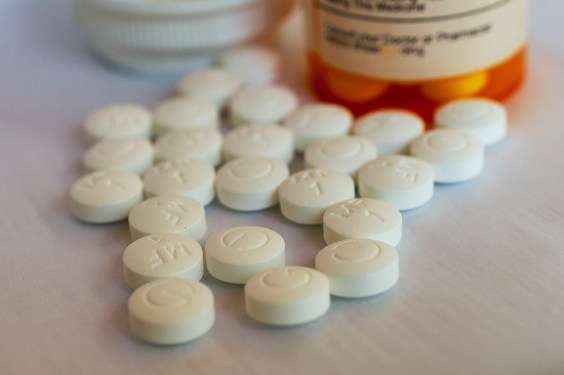
Researchers from Hamad Bin Khalifa University in Qatar have reviewed existing studies on the potential anti-aging effects of metformin, a common diabetes medication. Their findings, published in the journal Aging, suggest that while metformin may influence cellular processes related to aging, its impact on human lifespan remains uncertain.
The review examined cellular studies, animal models, and human observational research. At the cellular level, metformin appears to enhance autophagy, the process by which cells recycle damaged components, and boosts mitochondrial production. It also reduces oxidative stress and may help mitigate other aging-related cellular dysfunctions, such as deregulated nutrient sensing and cellular senescence. Additionally, the drug has been linked to reduced epigenetic age acceleration, though the researchers caution that these cellular benefits do not necessarily translate to increased lifespan.
Animal studies have shown more promising results. Experiments involving roundworms, mice, and male macaques demonstrated that metformin extends lifespan and reduces aging markers in tissues. However, human observational studies present a more complex picture. Most research subjects have been individuals with diabetes, as metformin is primarily prescribed for this condition. The studies also varied widely in their endpoints, ranging from mortality to frailty, making it difficult to determine whether metformin slows aging or merely improves disease outcomes in specific groups.
Clinical trials offer limited clarity. One study involving older adults with metabolic syndrome found that metformin prevented diabetes but did not reduce the incidence of cancer, cardiovascular disease, or mortality. Another ongoing trial, involving 3,000 healthy older adults, has yet to publish results since its launch in 2017.
The researchers concluded that future efforts should focus on identifying populations and biological pathways where metformin could meaningfully delay age-related functional decline, thereby turning its metabolic benefits into tangible strategies for healthy aging.
In summary, while metformin shows potential in addressing cellular markers of aging, its long-term effects on human lifespan remain unproven. The scientific community continues to investigate its viability as an anti-aging intervention.
Comments (0)
No comments yet — be the first to weigh in.
Related Coverage
 Science
DSM-6 to Integrate Biology in Mental Health Diagnosis for First Time
The DSM-6 will incorporate biological factors for the first time, marking a shift towards evidence-based psychiatry. Explore the challenges and advancements in neurobiology shaping the next edition.
 Science
Islanders asked to report sightings of rare eel
Islanders Urged to Report Sightings of Critically Endangered European Eel in Guernsey Guernsey’s Nature Commission is appealing to residents to report sightings...
 Science
The importance of teaching students what AI can’t do
The growing role of artificial intelligence in education raises concerns about over-reliance on AI tools and the potential erosion of critical thinking skills a...
 Science
More protein in your breakfast or snacks won’t give you more muscle without more work – a biologist separates the science from the marketing
The modern breakfast aisle looks dramatically different than it did a generation ago, with protein-enriched cereal, bread, chips, and even Pop-Tarts now crowdin...
Most Read

Three-storey building collapses at Swaminarayan temple in Prayagraj, no casualties
Kai Bird Explores Roy Cohn's Influence on Donald Trump's America

Canada's Solar Energy Growth: Provinces Chart Diverse Paths to 2035 Goals

Autumn Hill Sentenced to 50 Years in Prison for Anti-ICE Protest: A Case of Political Persecution?
