Europe faces historic drought as rivers and crops reach critical lows
Europe grapples with severe drought, causing record-low river levels, disrupting agriculture, shipping, and nuclear power plant operations across the continent.

Record drought grips Europe as rivers and crops dry up
Europe is experiencing a severe drought that has lowered river levels to historic lows, disrupted agriculture, slowed shipping and forced nuclear power plants to rely on alternative cooling methods. The crisis, which began in late summer and intensified in the autumn, is the most extreme in at least a century, according to the European Environment Agency (EEA).
Water levels in major rivers have fallen below 10 percent of their 30‑year average. The Danube, which supplies water to 10 countries, is now at its lowest level since records began in the 1950s. The Rhine, Seine, Po and Elbe are similarly depleted, with the EEA reporting that 70 percent of the continent’s rivers are below their normal thresholds. The shortage has forced the closure of several locks, delaying the movement of bulk cargoes and increasing freight costs.
The agricultural sector has been hit hardest. In Italy, the Po Valley – a key wheat‑producing region – has seen yields drop by up to 30 percent, while France’s central plains report a 20 percent loss in barley and corn production. Farmers across Spain, Portugal and Greece are struggling to irrigate fields with limited water, and many have abandoned crops entirely. The EU’s statistical office, Eurostat, estimates that the drought could cost the agricultural sector up to €1.5 billion in 2024.
Nuclear power plants that depend on river water for cooling are also facing operational challenges. In France, the Flamanville and Gravelines facilities have been forced to reduce output by 10 percent to preserve safety margins. In Germany, the Neckar River has dropped below the minimum level required for safe cooling at the Neckarwestheim plant, prompting a temporary shift to alternative cooling systems. The International Atomic Energy Agency has issued guidance on maintaining safety standards under reduced water availability, but the long‑term impact on grid stability remains uncertain.
The heatwave that began in late July, with temperatures regularly exceeding 35 °C (95 °F) across southern Europe, has exacerbated the water crisis. The EEA reports that the continent experienced its hottest summer on record, with 120 days of temperatures above 30 °C. Precipitation has been below average for the past six months, with some regions receiving only a fraction of the normal rainfall. Climate scientists say that the current drought is consistent with predictions for a warming world, where heatwaves and dry spells are expected to become more frequent.
European governments are responding with a mix of emergency measures and longer‑term strategies. Spain’s Ministry of Agriculture has issued a drought declaration, granting farmers access to emergency water reserves and financial aid. France has increased the use of water‑saving irrigation techniques and is investing in desalination plants to supplement freshwater supplies. The EU is accelerating its Water Framework Directive implementation, aiming to improve water use efficiency and protect aquatic ecosystems.
In the shipping sector, the European Commission has urged the industry to adopt more flexible routing and to consider the use of ballast water treatment to reduce the risk of invasive species in low‑flow rivers. Shipping companies have already adjusted schedules to avoid peak flow periods, but the cumulative effect is expected to raise freight costs by 5–8 percent in the short term.
The drought has also raised concerns about food security. Food‑security experts warn that continued water shortages could lead to higher food prices and increased imports. The United Nations Food and Agriculture Organization has called for coordinated international action to manage water resources and support vulnerable farmers.
While the immediate crisis is being managed through emergency funding and operational adjustments, experts stress that the underlying issue—climate change—requires comprehensive policy action. The European Green Deal, which aims to reduce greenhouse‑gas emissions by 55 percent by 2030, includes provisions for improving water management and increasing resilience to extreme weather events. The current drought underscores the urgency of these measures.
As Europe continues to grapple with one of its most severe droughts in modern history, the ripple effects are felt across agriculture, industry, energy and food security. The continent’s ability to adapt to these challenges will shape its resilience in the face of a warming climate.
Comments (0)
No comments yet — be the first to weigh in.
Related Coverage
 World
World
Slow start makes me want to stay - Norris extends McLaren deal to 2030
Lando Norris has signed a contract extension with McLaren, committing to the team through at least the end of the 2030 Formula 1 season. The 26-year-old British...
 World
World
Wales NHS gender surgeries paused for review into referral numbers
The Welsh Gender Service, based at St David’s Hospital in Cardiff, has temporarily suspended all new and scheduled referrals for gender-affirming surgeries as h...
 World
World
At least 37 dead and hundreds evacuated after strike on Kyiv warehouse
At least 37 people have been killed and nearly 400 evacuated after a Russian drone strike triggered explosions at a warehouse in the Kyiv region late Friday, Uk...
 World
World
Sarah Ferguson Expected to Return to UK Soon, Source Says
Former Duchess of York Sarah Ferguson, who lost her royal titles amid the Epstein scandal, is expected to return to the UK soon, a source told the BBC.
Most Read

Tottenham Hotspur sign Omar Marmoush on loan from Man City with permanent deal option

Nepal Flash Floods Death Toll Rises to 626, Over 2,400 Missing
Nicole Rifkin’s New Yorker Cover Honors Dolly Parton’s Legacy
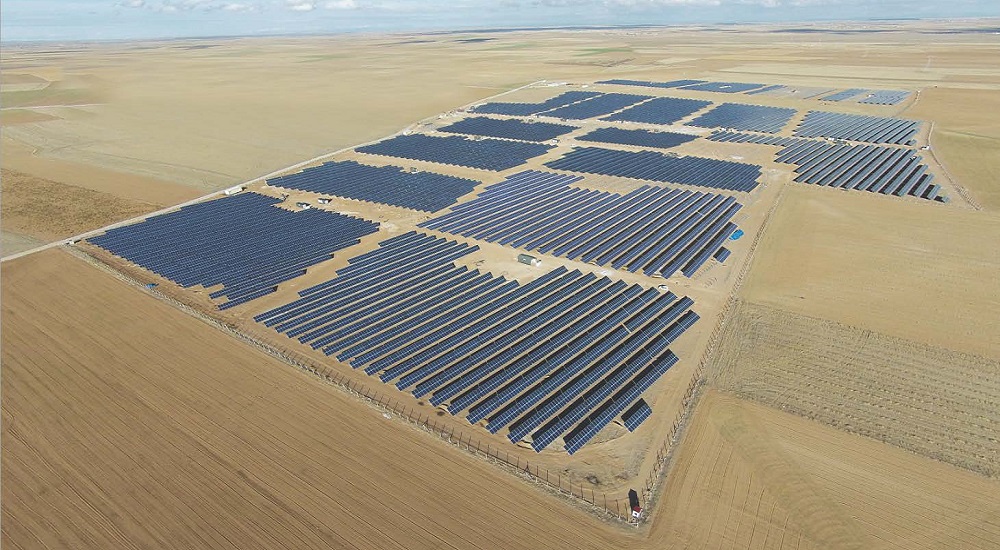
Machine Learning Boosts Irradiance Prediction for Bifacial Solar Panels