Esports Injuries: The Hidden Physical Toll on Professional Gamers
Chronic injuries, repetitive strain, and mental health struggles plague professional gamers, prompting new fields of sports medicine tailored to esports. Learn about the risks and prevention strategies.
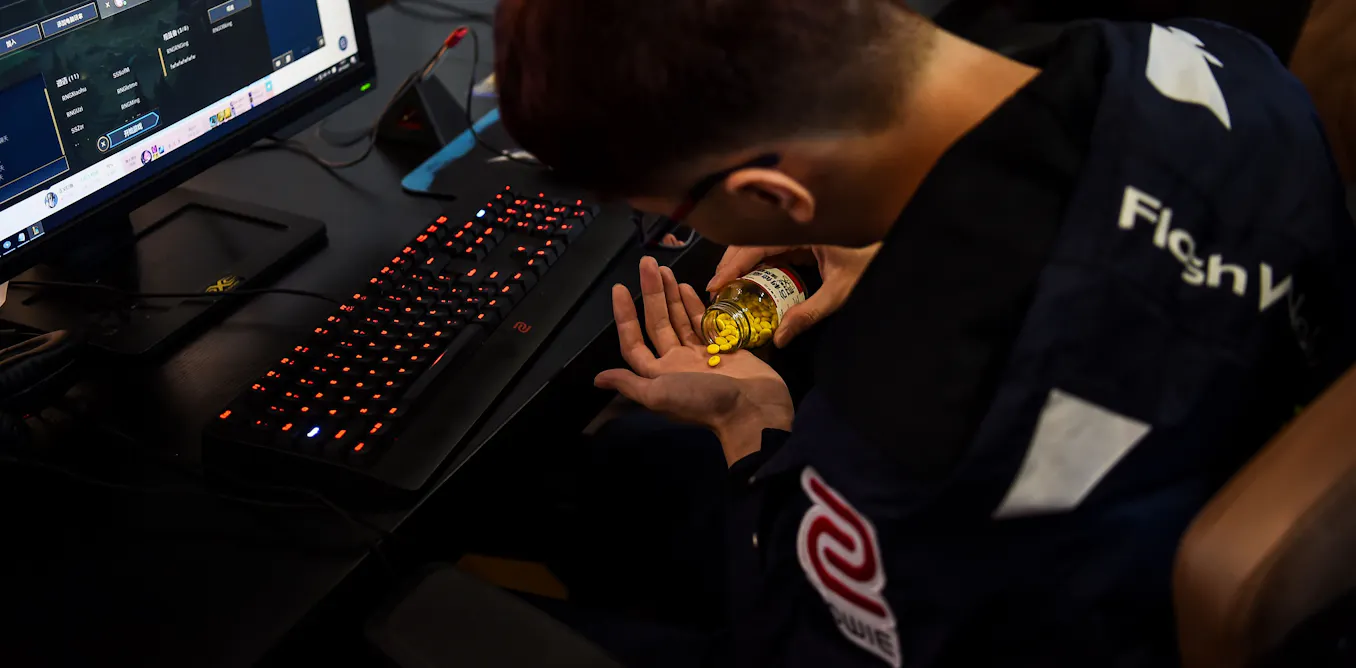
Esports athletes face significant physical and mental challenges that rival those of traditional sports, according to new research. The demanding nature of professional gaming has led to the emergence of specialized injury treatment and prevention strategies.
The physical toll of competitive gaming
Chinese esports player Jian "Uzi" Zi-hao retired in 2020 after accumulating over $500,000 in tournament winnings. His career ended due to chronic wrist and arm injuries, highlighting the physical strain of professional gaming. Research shows that esports players often experience musculoskeletal issues, eye problems, and sleep disturbances.
A 2021 study of Portuguese esports players found that 37% experienced anxiety and depression, while 45% reported sleep disturbances. Prolonged screen time contributes to vision problems, including eye fatigue and reduced focusing ability. Screen light can also disrupt melatonin production, affecting sleep-wake cycles.
Repetitive hand and wrist movements lead to common gaming-related injuries such as carpal tunnel syndrome, tendonitis, and "gamer's thumb." Back injuries are also prevalent due to prolonged sitting, which can strain the lower back and spine.
A rare but serious risk is deep vein thrombosis, a blood clot that can become life-threatening if it reaches the lungs. British gamer Chris Staniforth died from the condition in 2011 after playing for up to 12 hours at a time.
Support systems and prevention strategies
As esports has grown, so has the support infrastructure for players. Top teams now employ physical therapists, performance psychologists, athletic trainers, and massage therapists to optimize player performance and recovery.
Teams incorporate group exercise activities to build rapport and reduce injury risks. Proper spine and limb positioning during competition has become essential, with ergonomic chairs and exercise programs focusing on functional strength, mobility, and stretching of the upper limbs recommended.
The evolution of esports injury treatment
Esports injury research has drawn parallels with traditional sports, but scholars suggest looking to performing arts for additional insights. Musicians and dancers face similar physical and mental stresses, including long periods of sitting, small dexterous hand movements, and performing without real-time coaching.
Biomechanics research has found comparable patterns of forearm muscle fatigue between esports players and piano players, though no studies have directly compared the two groups. Joint hypermobility and hand size are also areas of interest in performing arts that could translate to esports.
Prevention and rehabilitation techniques continue to improve. Lee "Faker" Sang-hyeok, a star "League of Legends" player, returned to competition just a month after being sidelined with cubital tunnel syndrome. His rehabilitation included changes to gaming posture and intensive physical therapy, enabling him to win three consecutive world championships.
As esports prepares for its next major event, the 2026 "League of Legends" World Championship in the United States, the focus on player health and injury prevention remains crucial for sustaining athletes' careers and the industry's growth.
Comments (0)
No comments yet — be the first to weigh in.
Related Coverage
 Science
DSM-6 to Integrate Biology in Mental Health Diagnosis for First Time
The DSM-6 will incorporate biological factors for the first time, marking a shift towards evidence-based psychiatry. Explore the challenges and advancements in neurobiology shaping the next edition.
 Science
Islanders asked to report sightings of rare eel
Islanders Urged to Report Sightings of Critically Endangered European Eel in Guernsey Guernsey’s Nature Commission is appealing to residents to report sightings...
 Science
The importance of teaching students what AI can’t do
The growing role of artificial intelligence in education raises concerns about over-reliance on AI tools and the potential erosion of critical thinking skills a...
 Science
More protein in your breakfast or snacks won’t give you more muscle without more work – a biologist separates the science from the marketing
The modern breakfast aisle looks dramatically different than it did a generation ago, with protein-enriched cereal, bread, chips, and even Pop-Tarts now crowdin...
Most Read

Three-storey building collapses at Swaminarayan temple in Prayagraj, no casualties
Kai Bird Explores Roy Cohn's Influence on Donald Trump's America

Canada's Solar Energy Growth: Provinces Chart Diverse Paths to 2035 Goals

Autumn Hill Sentenced to 50 Years in Prison for Anti-ICE Protest: A Case of Political Persecution?
