Debate Over Women's Sports vs. Activism: Where Should the Line Be Drawn?
The evolving debate over women's sports and 'transformational' activism raises critical questions about inclusivity and fairness in competitive athletics.

Women’s Sport and the Limits of ‘Transformational’ Activism
Women’s sport faces mounting pressure to accommodate transgender athletes, raising complex questions about fairness, inclusion, and the future of female competition. Advocates argue that inclusion must take precedence over traditional definitions of sex-based eligibility, while critics warn that loosening eligibility criteria risks undermining the integrity of women’s sports and the hard-won opportunities that have been established for female athletes.
The debate centers on policies that allow transgender women—individuals who transition from male to female—to compete in female categories, often after undergoing hormone therapy. Proponents of inclusion point to organizations like the International Olympic Committee (IOC), which has issued guidelines allowing transgender athletes to compete as women, provided they meet certain testosterone suppression requirements. These supporters argue that sport should reflect broader societal values of acceptance and that excluding transgender athletes sends a harmful message about identity and belonging.
Opponents, however, highlight physiological differences that persist even after hormone therapy, including advantages in muscle mass, bone density, and lung capacity. They argue that these biological factors create an uneven playing field, one that cannot be fully mitigated by hormone treatments. Detractors also express concern that relaxing eligibility rules could discourage young women from participating in sport, fearing that their achievements will be overshadowed by questions about fairness.
The issue has led to legal and political battles in several countries. In the United States, state legislatures have passed laws barring transgender girls from competing in girls’ high school sports, prompting lawsuits from civil rights organizations. Meanwhile, organizations like World Athletics and World Aquatics have imposed stricter eligibility rules for transgender athletes, citing the need to preserve the female category.
Critics of these restrictions argue that they represent a step backward in the fight for transgender rights. They point to studies suggesting that hormone therapy can reduce—but not eliminate—performance advantages, and they emphasize the importance of inclusion in fostering social cohesion. However, proponents of sex-segregated sports contend that the primary purpose of women’s categories is to provide a level playing field for female athletes, a goal that may be compromised by gender self-identification policies.
The conflict reflects broader tensions between activism and institutional integrity. While inclusivity is a laudable goal, its application in competitive sports raises practical and ethical dilemmas. The push to redefine categories based on gender identity rather than biological sex challenges long-standing norms in sport, forcing governing bodies to weigh the benefits of inclusivity against the risks of diminished fairness.
As the debate continues, athletes, policymakers, and sports organizations must navigate a landscape where the lines between activism, rights, and competitive equality are increasingly blurred. The challenge lies in finding a balance that honors both inclusion and fairness, ensuring that women’s sport remains a space where all athletes can thrive—without compromising the principles that have defined it for generations.
Comments (0)
No comments yet — be the first to weigh in.
Related Coverage
 Politics
Autumn Hill Sentenced to 50 Years in Prison for Anti-ICE Protest: A Case of Political Persecution?
Activist Autumn Hill received a 50-year prison sentence for protesting outside a Texas ICE facility. Critics call her conviction a politically motivated use of terrorism charges against anti-fascist demonstrators.
 Politics
Headlines for August 26, 2026
Iran has resumed talks with Oman about managing the Strait of Hormuz while tensions in the region remain high, despite economic pressure from the United States....
 Politics
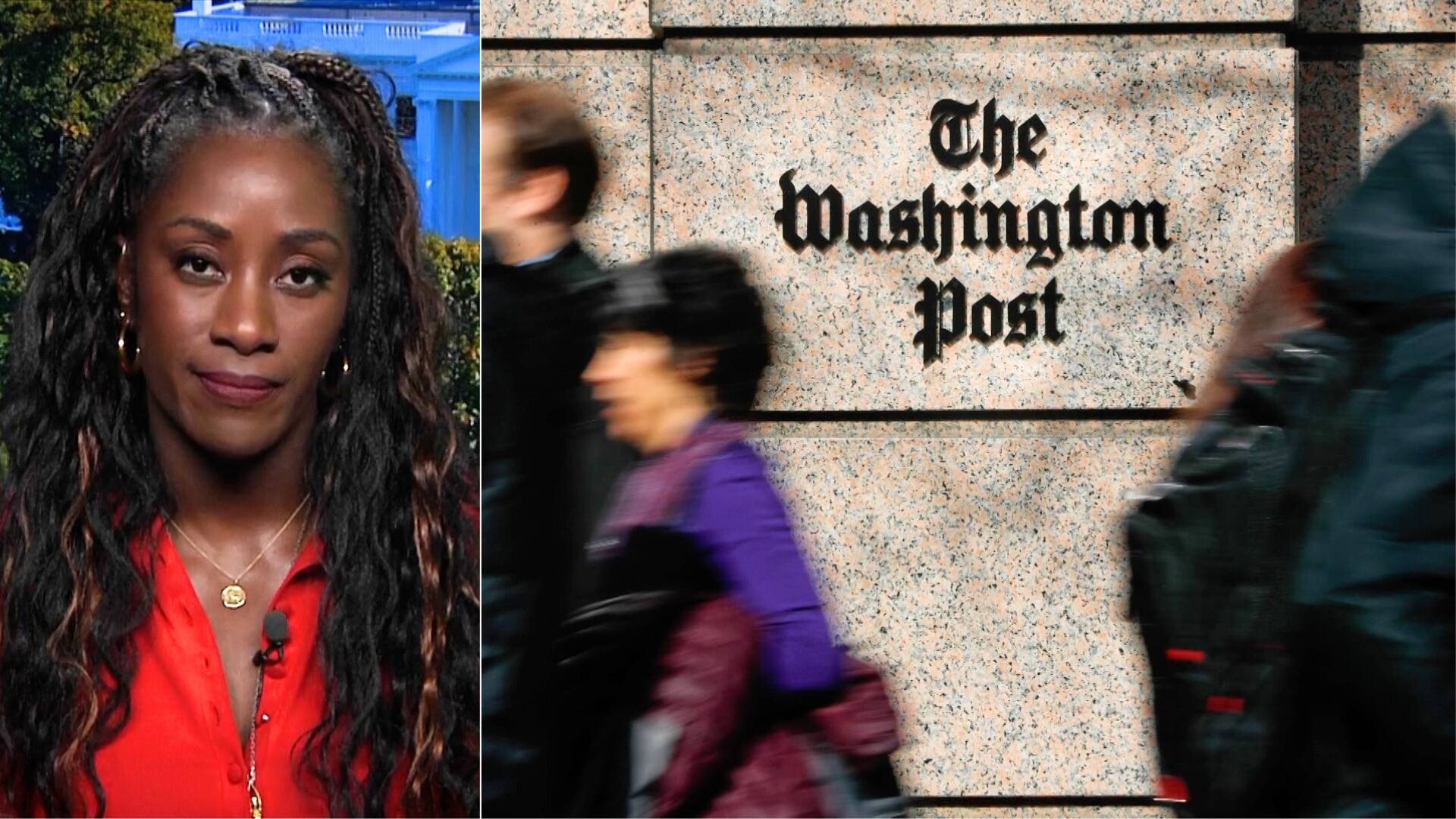
Karen Attiah Wins Reinstatement at Washington Post After Arbitration Victory
Award-winning Washington Post columnist Karen Attiah has been reinstated with back pay after an arbitrator ruled in her favor following her controversial firing over social media posts about Charlie Kirk.
 Politics
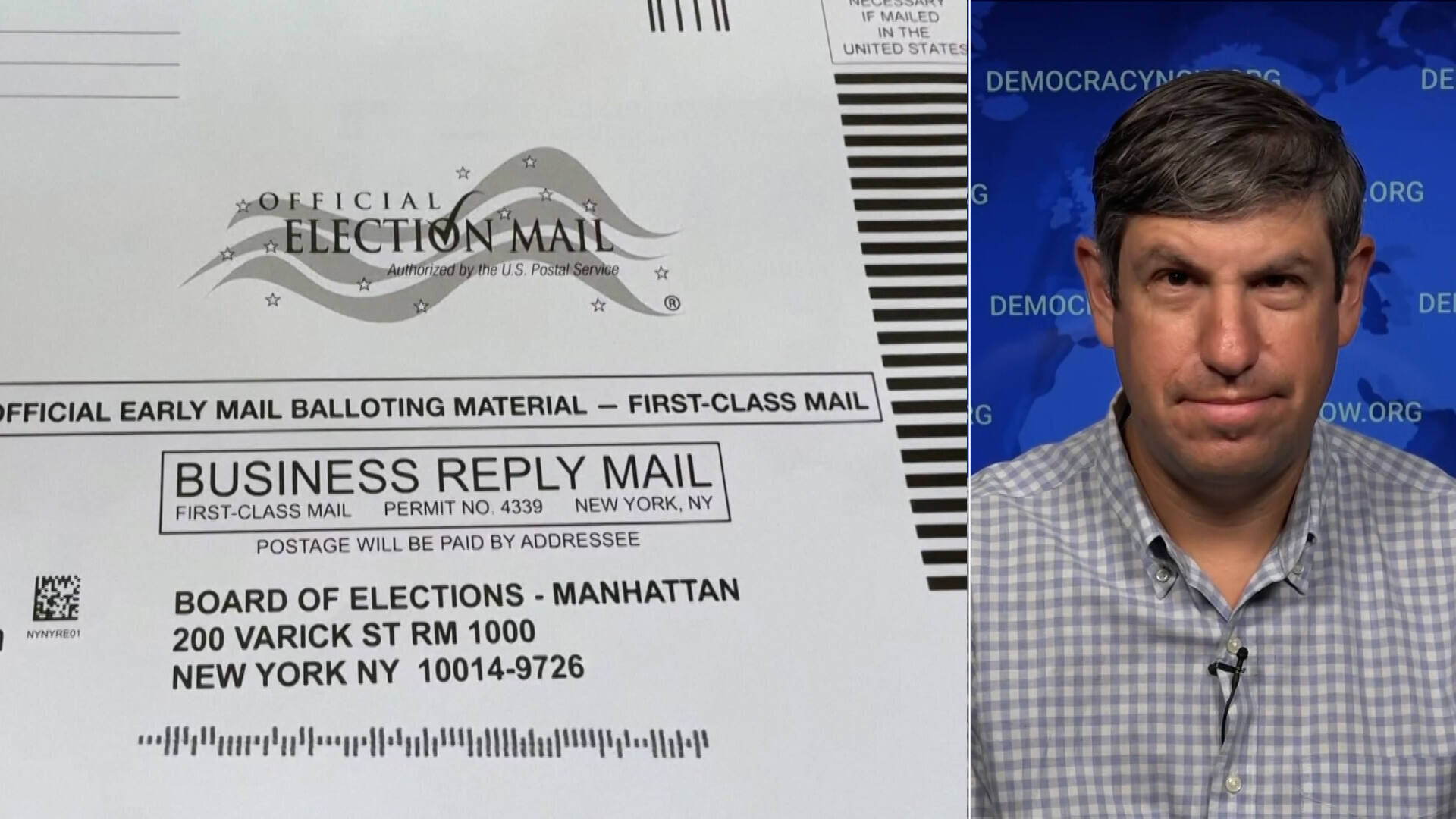
Supreme Court Allows Trump’s Mail-In Voting Restrictions to Proceed: What It Means for Midterms
The Supreme Court’s 6-3 decision lifts an injunction on Trump’s executive order restricting mail-in voting, raising concerns over potential voter disenfranchisement ahead of the midterm elections.
Most Read
Kai Bird Explores Roy Cohn's Influence on Donald Trump's America

Canada's Solar Energy Growth: Provinces Chart Diverse Paths to 2035 Goals
Autumn Hill Sentenced to 50 Years in Prison for Anti-ICE Protest: A Case of Political Persecution?

Hull City Secure 1-0 Away Win at Coventry, Maintain Perfect Premier League Start
