Bigfoot Research: Science or Myth? Inside the World of Bigfooters
Explore the scientific methods used by Bigfoot researchers, known as Bigfooters, and the ongoing debate over evidence versus proof in the search for Sasquatch.
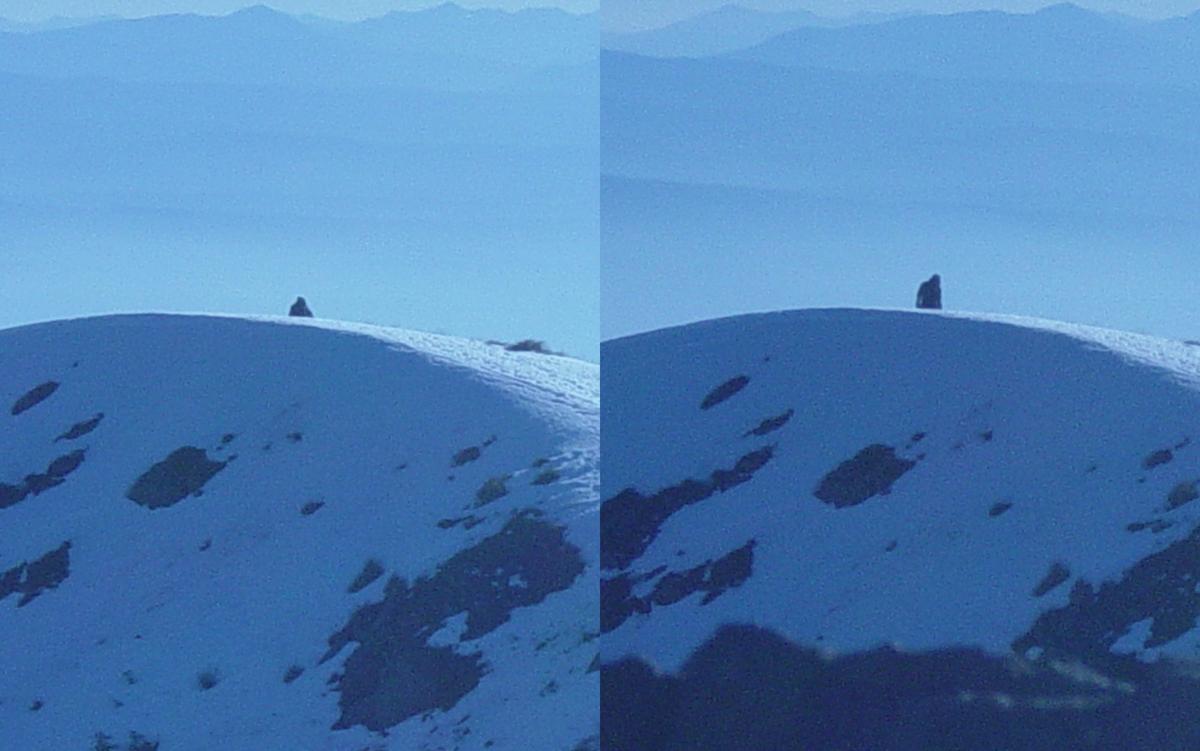
Researchers explore the scientific approach of Bigfooters in North America as they seek evidence of the elusive creature.
Bigfoot, also known as Sasquatch, has long been a subject of fascination and skepticism in North America. A recent study by sociologists examining the Bigfooter community reveals a more complex picture than the typical whimsical portrayal of monster hunters. Through over 160 interviews with Bigfooters—individuals who actively search for evidence of the creature in North American forests—the study highlights their methodological and empirical approach to investigating Sasquatch.
The research, documented in the upcoming book *Bigfooters and Scientific Inquiry: On the Borderlands of Legitimate Science* (2026), challenges the notion that Bigfooters are anti-science. Instead, many adopt scientific principles and methodologies, though outside mainstream academic frameworks. George Eberhart, a cryptozoologist and Bigfooter, noted that while Bigfooting is not part of mainstream science, it can still produce rigorous empirical work through applied methods.
Unlike traditional citizen science, Bigfooters operate with an individualistic and alternative vision of scientific inquiry. Their approach resembles that of natural philosophers from past centuries, where personal experience and anecdotal evidence hold significant weight. Techniques such as collecting footprints, recording vocalizations, and documenting sightings are central to their research, though these forms of evidence remain contested by mainstream science.
The absence of a physical specimen—often framed as the "body problem"—remains the most significant hurdle for Bigfooters. While they argue that witness testimonies, photographs, and footprint casts constitute substantial evidence, the scientific community and general public demand tangible proof, such as bones or a complete carcass. The 1960s Minnesota Iceman, a controversial frozen figure once claimed to be a Sasquatch, exemplifies this challenge. Though initially examined by prominent cryptozoologists Bernard Heuvelmans and Ivan T. Sanderson, it was later debunked as a hoax, leaving the Bigfooter community divided over its authenticity.
Ethical debates within the Bigfooter community further complicate the search. Some, like anthropologist Grover Krantz, advocated for capturing or even killing a Bigfoot to secure definitive proof. Krantz reportedly offered financial incentives to researchers willing to collect a specimen. Others, such as Angelo Capparella of the North American Wood Ape Conservancy (NAWAC), argue that obtaining a physical specimen is essential for scientific validation. Conversely, many Bigfooters, including Craig Woolheater of the Texas Bigfoot Research Centre, oppose killing a Sasquatch due to concerns about endangering an unknown population.
The persistent lack of a natural-death specimen raises further questions. Some Bigfooters, like Russell Jones, argue that hikers rarely encounter bear carcasses, implying that finding a dead Sasquatch would be equally unlikely. Yet critics point out that bear remains are frequently preserved in museums and private collections, suggesting that Sasquatch remains, if they existed, might similarly be documented.
Despite the challenges, Bigfooters continue their pursuit, driven by a belief in the empirical potential of their work. While mainstream science remains unconvinced, the study underscores the structured and disciplined methodologies employed by those who dedicate themselves to uncovering the truth behind Sasquatch.
#BigfootResearch #Sasquatch #Cryptozoology #NorthAmerica #ScientificMethod #BigfooterCommunity #MinnesotaIceman #Anthropology
Comments (0)
No comments yet — be the first to weigh in.
Related Coverage
 Science
DSM-6 to Integrate Biology in Mental Health Diagnosis for First Time
The DSM-6 will incorporate biological factors for the first time, marking a shift towards evidence-based psychiatry. Explore the challenges and advancements in neurobiology shaping the next edition.
 Science
Islanders asked to report sightings of rare eel
Islanders Urged to Report Sightings of Critically Endangered European Eel in Guernsey Guernsey’s Nature Commission is appealing to residents to report sightings...
 Science
The importance of teaching students what AI can’t do
The growing role of artificial intelligence in education raises concerns about over-reliance on AI tools and the potential erosion of critical thinking skills a...
 Science
More protein in your breakfast or snacks won’t give you more muscle without more work – a biologist separates the science from the marketing
The modern breakfast aisle looks dramatically different than it did a generation ago, with protein-enriched cereal, bread, chips, and even Pop-Tarts now crowdin...
Most Read

Three-storey building collapses at Swaminarayan temple in Prayagraj, no casualties
Kai Bird Explores Roy Cohn's Influence on Donald Trump's America

Canada's Solar Energy Growth: Provinces Chart Diverse Paths to 2035 Goals
Autumn Hill Sentenced to 50 Years in Prison for Anti-ICE Protest: A Case of Political Persecution?
