AROS, the FOSS recreation of AmigaOS, comes to Raspberry Pi
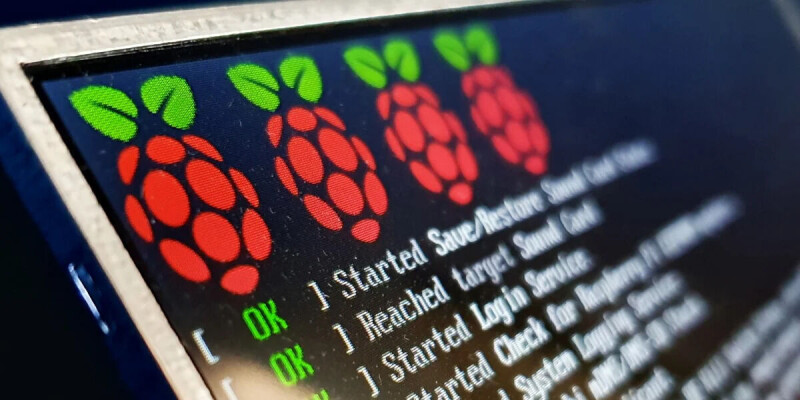
AROS, the free and open-source recreation of AmigaOS, now supports native booting on Raspberry Pi hardware, marking a significant milestone for the project. The latest nightly builds from the AROS development team include dedicated images for both 32-bit and 64-bit Raspberry Pi models, specifically optimized for the Pi 3 and newer 64-bit capable devices. This development fulfills a long-standing goal of the AROS project to extend native Arm processor support beyond hosted environments like Linux.
The new Arm-native builds, available as raspi-aarch64-system for 64-bit hardware and raspi-armhf-system for older ARMv6-based devices, represent a major advancement for AROS. While the project has supported Arm processors for years, prior implementations required running atop another operating system. Now, users can boot AROS directly on bare metal Raspberry Pi hardware. The installation images remain compact, just over 100 MB, but additional packages in raspi-aarch64-contrib or raspi-armhf-contrib provide a full suite of applications, tools, and demos totaling roughly one gigabyte when decompressed.
Although details on recent changes are not explicitly documented in the GitHub repository, development activity has accelerated. Between May 2025 and May 2026, 13 commits were contributed by automated tools such as Claude Code, potentially accelerating progress in Arm-native compatibility. YouTuber Dan Wood has tested the experimental builds and confirmed functional booting on Raspberry Pi 3 hardware. However, support for the Pi 4 remains incomplete, with no sound or network functionality currently available. The current version boots to the Workbench desktop in approximately five seconds, making efficient use of the limited RAM typical of lower-end Pi models.
While the native AROS platform has traditionally been x86-32, broad hardware diversity makes full support challenging. Raspberry Pi’s limited model lineup simplifies driver development, as there are fewer GPU and network chip variations to accommodate. This constrained environment aligns well with AROS’s modest resource requirements, making it an ideal candidate for older Pi hardware with as little as 512 MB of RAM. Despite being a prototype—still incomplete and potentially unstable—the release offers a fresh opportunity for Amiga enthusiasts to explore a modern implementation of AmigaOS on affordable hardware.
Notably, AROS currently lacks 680x0 emulation, meaning it cannot run classic Amiga applications or games. For those seeking to play legacy titles, alternative solutions like PiMiga, Commodore OS 3, or Amiga Forever remain more practical. Still, the Raspberry Pi version of AROS introduces a new path for experiencing the Amiga ecosystem without relying on emulation layers.
The AROS project’s progress also intersects with broader developments in the Amiga community. In 2025, new Amiga-compatible hardware such as the A600 GS and A1200 NG—both Arm-based systems running Amiga software through emulation under AmiBench, which incorporates parts of AROS—were highlighted. Additionally, Retro Games Ltd’s THEA1200, previously covered by The Register, recently announced official Amiga licensing through an agreement with Cloanto, the company behind Amiga Forever. This licensing deal allows THEA1200 to bundle genuine AmigaOS, enhancing compatibility with original software and games.
Cloanto, which holds the Amiga trademarks, Kickstart ROM, and rights to classic AmigaOS, plays a central role in the Amiga ecosystem. While Hyperion holds a separate license for developing AmigaOS 4, Cloanto’s control over the brand and its assets continues to shape the platform’s direction. Commercial offerings like Amiga Forever provide updated versions of AmigaOS 3.X, reflecting ongoing development in the legacy system.
Despite renewed interest in the Commodore brand through ventures like the FPGA-powered Commodore 64 Ultimate and a Sailfish-powered flip phone, the revived company does not own Amiga IP. Industry observers note that Cloanto’s licensing agreements, including with Retro Games Ltd, may influence future valuation and acquisition prospects for Amiga-related intellectual property.
#AROS #AmigaOS #RaspberryPi #OpenSource #RetroComputing #Amiga #ARM #Cloanto
Comments (0)
No comments yet — be the first to weigh in.
Related Coverage
 Technology
Wikipedia on a Cheap Yellow Display
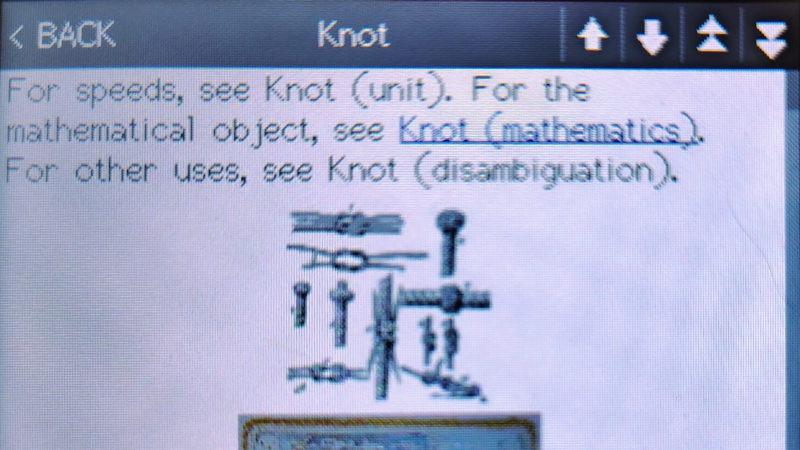
A hobbyist has adapted the Cheap Yellow Display (CYD), a budget-friendly microcontroller board, to serve as an offline Wikipedia reader by running a customized...
 Technology
Compact PCB Vise Uses Up That Leftover Filament
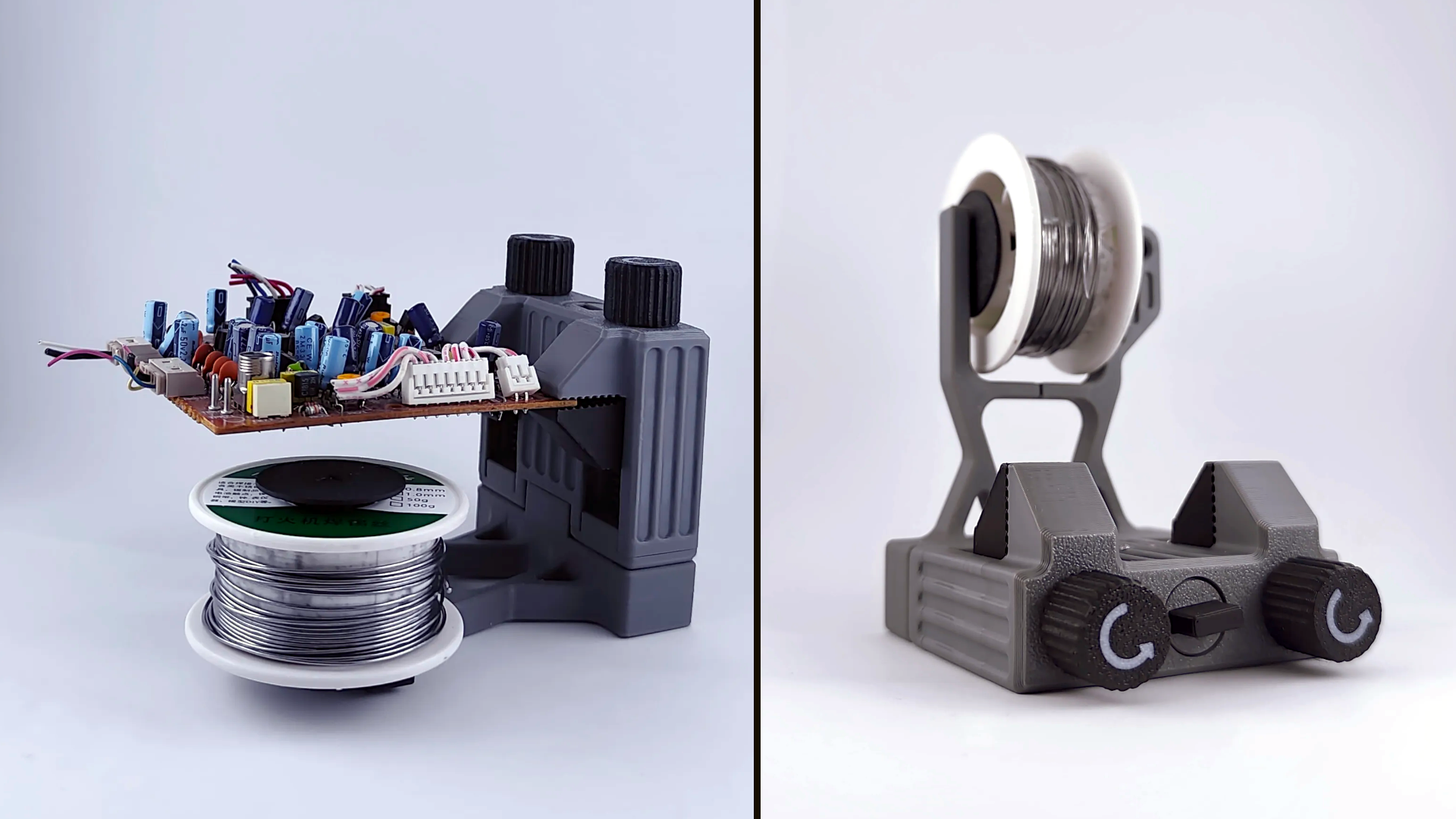
A 3D-printed PCB vise created by a maker known online as Chefkoch offers enthusiasts a practical way to repurpose leftover filament spools while gaining a usefu...
 Technology
Apple Health App Revamp with AI Coach Set for September 2024 Release
Apple’s upcoming Health app overhaul, dubbed Project Mulberry, will add an AI health coach, blood‑sugar tracking and camera‑based workout guidance—likely launching in September 2024.
 Technology
Apple Card keeps getting better, here’s everything new
Apple Card continues to evolve with new features and benefits as it marks seven years since its launch. Apple, in partnership with Goldman Sachs and soon Chase,...
Most Read

Arunachal CM Unveils Vision 2036 for Youth Skill & Entrepreneurship Growth

KPop Demon Hunters Joins Criterion Collection: Why the Animated Hit Stands Out

Global renewable energy investments hit $327.5B in H1 2026, solar-plus-storage surges

Supreme Court Allows Trump’s Mail-In Voting Restrictions to Proceed: What It Means for Midterms
