Apple renews push for expedited discovery in OpenAI trade secret misappropriation lawsuit

Apple has filed a response to OpenAI’s opposition of its request for expedited discovery in the trade‑secret lawsuit that accuses former employees, OpenAI and io Products of misappropriating Apple’s proprietary information. The reply, submitted to the U.S. District Court for the Northern District of California, reiterates Apple’s claim of “good cause” for the accelerated process and counters the defendants’ argument that the request is unnecessary and overbroad.
Apple first moved for expedited discovery earlier this month, seeking the early production of documents, forensic imaging of devices and accounts, and depositions of key witnesses. The company also asked that written responses to its discovery requests be received within 30 days and that a corporate deposition of OpenAI be completed within 50 days, rather than waiting for the standard fact‑discovery schedule. Apple said the accelerated timeline is essential to uncover facts that are “dissipating” and to determine the full scope of the alleged theft of its trade secrets.
The motion came a day after Apple filed for a preliminary injunction to prevent OpenAI and the other defendants from accessing, using or disclosing Apple’s alleged proprietary information while the case proceeds. Apple argues that the longer the defendants can use the stolen information, the harder it will be to reverse the damage. “The harm is happening now—every day that passes without an injunction allows OpenAI to embed their knowledge of Apple’s stolen information into its hardware development efforts,” Apple said in its motion.
OpenAI and io Products filed an opposition, contending that Apple’s expedited discovery request is unnecessary because much of the regular discovery process would overlap with the proposed timeline. They also claimed the requests are overbroad, burdensome and aimed at obtaining the defendants’ competitive product plans and strategies, rather than evidence of misappropriation. In particular, the opposition argued that Apple had not shown the requisite good cause for expedited discovery and that the requests were untethered to the requested injunction.
In its reply, Apple maintains that it has established good cause and that the request remains timely even if it overlaps with ordinary discovery. The company also narrowed the date range of its document requests to those dated on or after August 1, 2023—approximately six months before former Apple employee Mr. Tan joined OpenAI—to address the defendants’ concerns about an undefined time frame. Apple said the limited, urgent discovery would force the defendants to respond substantively at the outset rather than with boilerplate objections and promises to supplement over weeks and months.
Apple also argued that the defendants’ proposal to conduct depositions only once, at the end of fact discovery, would delay the company’s ability to question witnesses about the alleged misuse of its trade secrets. “It would mean that Apple would have to wait months or years to ask a witness about that information,” Apple wrote. “Meanwhile, OpenAI could continue to use Apple’s hardware trade secrets while racing to design and launch its own hardware device.”
The hearing on Apple’s expedited‑discovery motion is scheduled for October 1 before Judge Edward Davila, although the judge could issue a ruling earlier. Apple’s request, if granted, would allow the company to obtain key documents and witness testimony at the start of the litigation, potentially limiting the defendants’ ability to further use or disseminate the alleged trade secrets. The outcome of the hearing will determine whether the court will allow Apple to proceed with the accelerated discovery schedule and whether the preliminary injunction will be granted.
Comments (0)
No comments yet — be the first to weigh in.
Related Coverage
 Technology
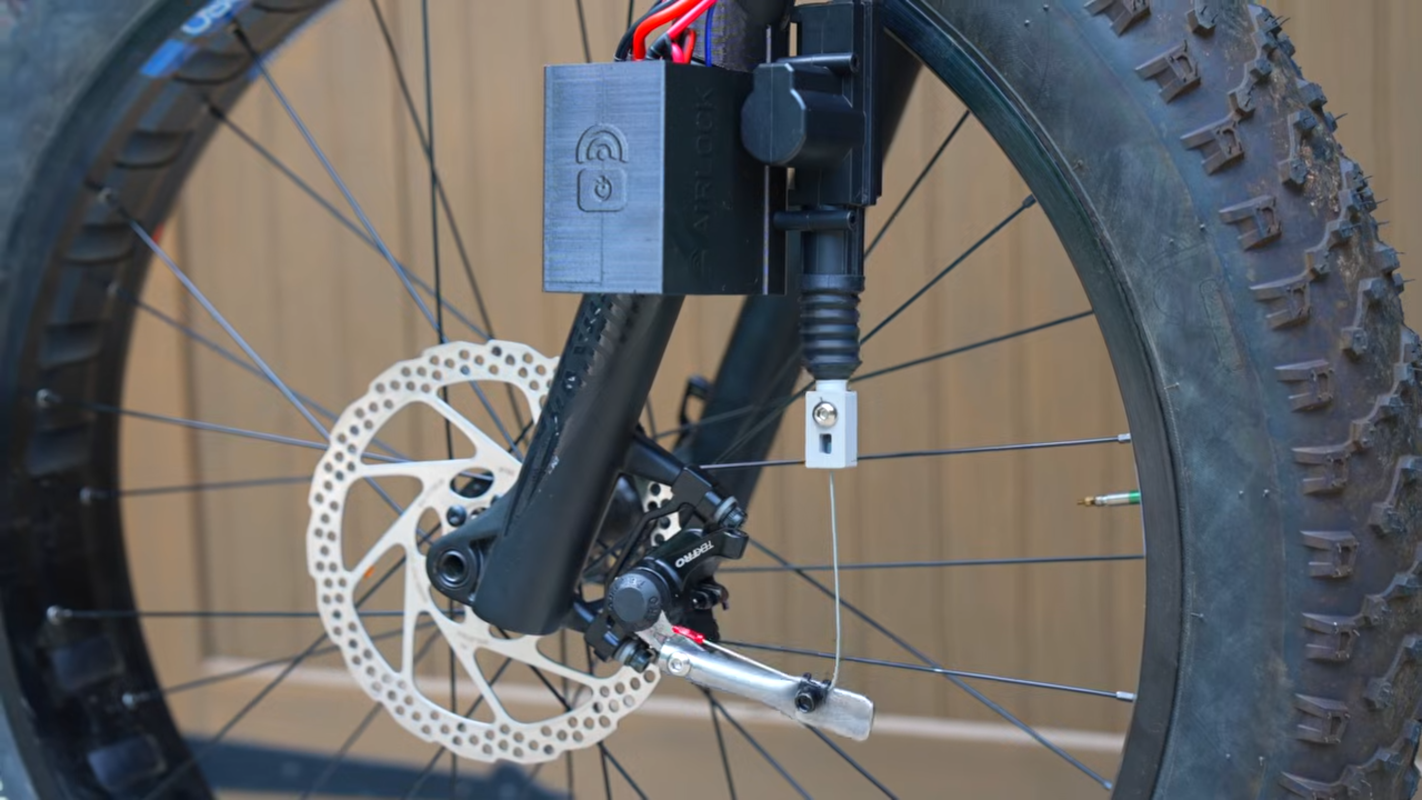
Wireless Fat Tire Brakes: ESP32‑Powered ABS and Remote Control Demo
Tested on a fat‑tire bike, the ESP32‑controlled wireless brakes add ABS, remote‑control, and a braking‑equalizer, showing the future of electronic mountain‑bike braking.
 Technology
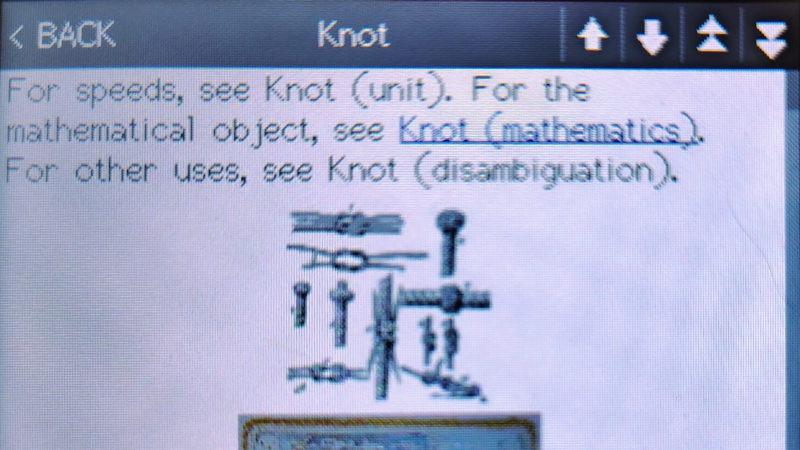
Wikipedia on a Cheap Yellow Display
A hobbyist has adapted the Cheap Yellow Display (CYD), a budget-friendly microcontroller board, to serve as an offline Wikipedia reader by running a customized...
 Technology
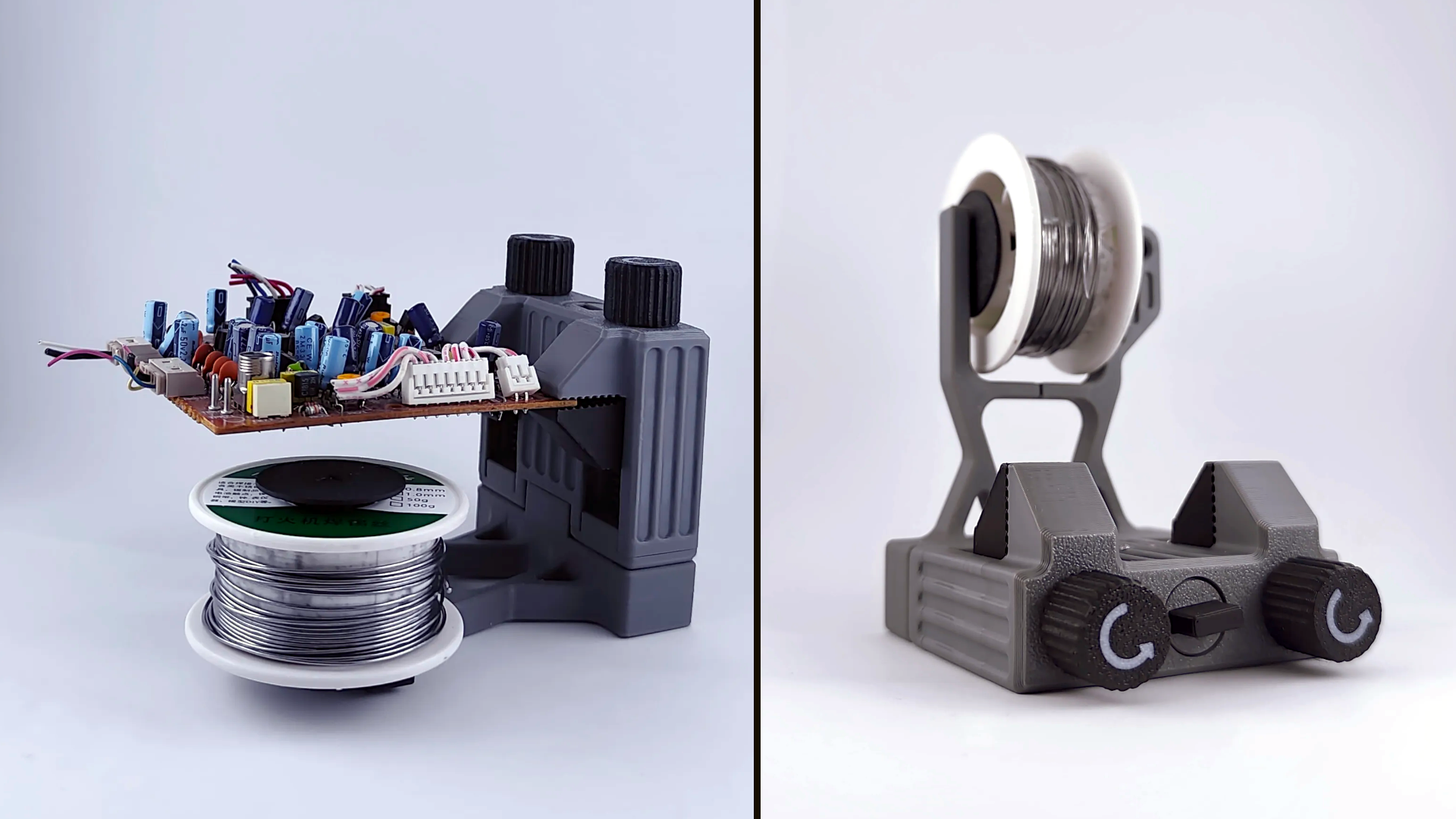
Compact PCB Vise Uses Up That Leftover Filament
A 3D-printed PCB vise created by a maker known online as Chefkoch offers enthusiasts a practical way to repurpose leftover filament spools while gaining a usefu...
 Technology
Apple Health App Revamp with AI Coach Set for September 2024 Release
Apple’s upcoming Health app overhaul, dubbed Project Mulberry, will add an AI health coach, blood‑sugar tracking and camera‑based workout guidance—likely launching in September 2024.
Most Read

Tottenham Hotspur sign Omar Marmoush on loan from Man City with permanent deal option

Nepal Flash Floods Death Toll Rises to 626, Over 2,400 Missing
Nicole Rifkin’s New Yorker Cover Honors Dolly Parton’s Legacy
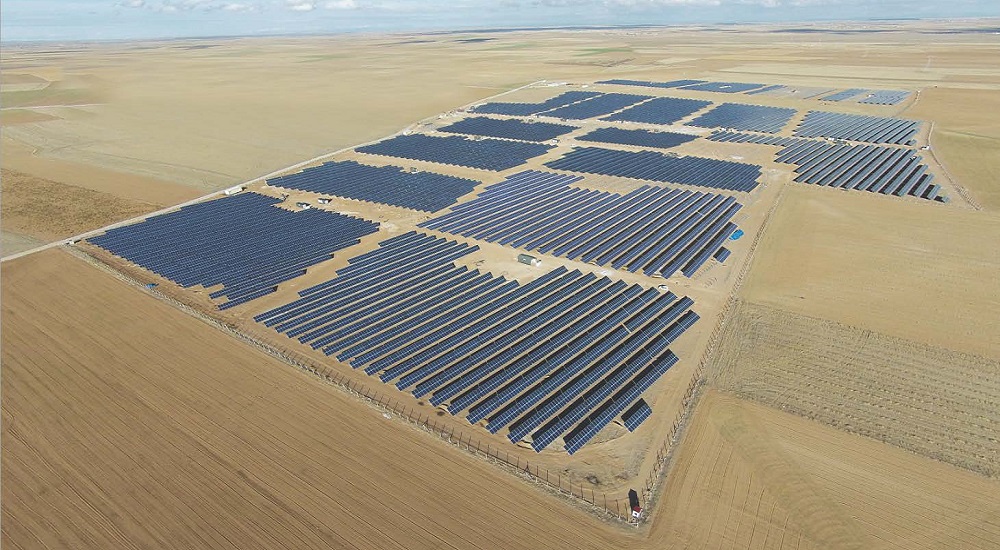
Machine Learning Boosts Irradiance Prediction for Bifacial Solar Panels