Americans Now Pay 75 Percent More for Aluminum than the Rest of the World

Americans Pay 75% More for Aluminum Than Global Prices Due to Tariffs
WASHINGTON, D.C. – A combination of tariffs and trade restrictions has resulted in American manufacturers and consumers paying roughly 75% more for aluminum than the rest of the world, according to analysis of market data and industry reports. The price gap has widened significantly since 2025, when the Trump administration increased tariffs on steel and aluminum imports, citing national security concerns.
Current tariffs stand at 50% for steel and aluminum imports, up from 25% and 10% respectively during the former president’s first term. The administration had previously exempted Canada and Mexico, but those exemptions were removed in early 2025. Additional tariffs on Chinese imports—where much of the world’s steel and aluminum is produced—have further increased costs.
The price disparity is stark. Aluminum in the U.S. now trades at a premium of about 75% over the London Metal Exchange benchmark, up from a previous gap of roughly 15%. Steel prices in the U.S. are also approximately 64% higher than in northern Europe. Industry analysts attribute the widening gap to the cumulative effect of layered tariffs and trade restrictions.
The impact extends beyond raw material costs. The U.S. aluminum industry has contracted despite the tariffs, with smelters in Washington, Missouri, and Kentucky shutting down in recent years. Only four smelters remain operational, and just two are running at full capacity. The closures come despite tariff protections meant to bolster domestic production.
Canada remains the largest supplier of aluminum to the U.S., benefiting from lower energy costs due to abundant hydroelectric power. The two nations share deeply integrated supply chains, with Canada specializing in primary aluminum smelting and the U.S. focusing on downstream manufacturing. This complementary relationship has been a cornerstone of North American industrial collaboration for decades.
However, trade negotiations between the U.S. and Canada have faced setbacks. Reports indicate that a proposed agreement to reduce tariffs on $20 billion in Canadian goods from 50% to 25% collapsed last week, partly due to objections from U.S. steel and aluminum lobbies. The deal reportedly included terms favorable to U.S. manufacturers but was ultimately derailed in the final stages.
Economic experts argue that the U.S. cannot realistically compete with Canada in aluminum production due to structural cost disadvantages, including energy expenses. The situation mirrors other industries where the U.S. has struggled to match low-cost global producers, such as natural rubber from Southeast Asia.
Meanwhile, President Trump acknowledged in a recent rally that the U.S. relies heavily on Canadian aluminum, despite earlier public statements suggesting otherwise. “This country desperately needs aluminum,” Trump said during a telephone rally for a Republican candidate in Oklahoma. “We don’t have it. We get it all from Canada for the most part, and we need it badly.”
The administration’s tariff policy continues to face criticism from manufacturers who argue that high material costs undermine their global competitiveness. The situation underscores broader debates over the effectiveness of protectionist trade measures in achieving long-term industrial goals.
Comments (0)
No comments yet — be the first to weigh in.
Related Coverage
 Business
Russian Drone Strike on Kiev Ammo Depot Kills 37, Sparks Evacuations
A Russian drone strike on an ammunition depot near Kiev caused massive explosions, killing 37 and injuring dozens. Ukraine's food logistics infrastructure is 90% destroyed, raising concerns ahead of winter.
 Business
Mamdani Begs Capitalists At The Adult Table For Help
New York City Mayor Zohran Mamdani has launched a Business Advisory Council, signaling a notable shift in his approach to engaging with the city's business...
 Business
Watch: Russian Military Conducts Test Of Huge Mobile ICBM
Russia’s Defense Ministry announced Friday that its Strategic Missile Forces conducted a successful test launch of a mobile, solid-fuel intercontinental ballist...
 Business
Have We Really Learnt The Lessons Of The GFC?
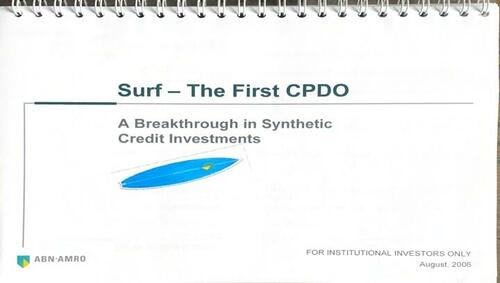
Two decades after the 2006 launch of the Constant Proportion Debt Obligation (CPDO), a financial product that promised AAA-rated returns while leveraging bets o...
Most Read

Three-storey building collapses at Swaminarayan temple in Prayagraj, no casualties
Kai Bird Explores Roy Cohn's Influence on Donald Trump's America
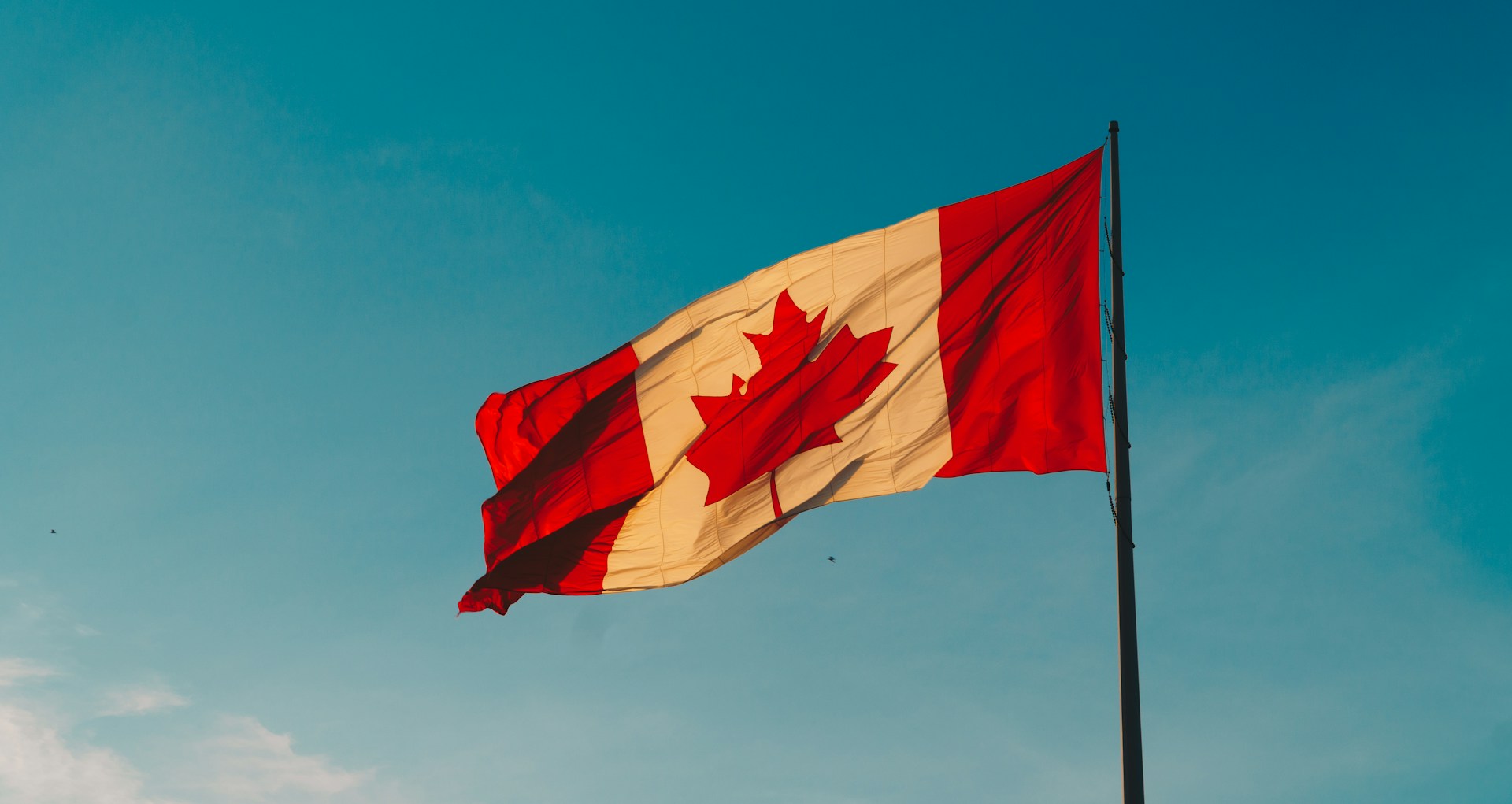
Canada's Solar Energy Growth: Provinces Chart Diverse Paths to 2035 Goals

Autumn Hill Sentenced to 50 Years in Prison for Anti-ICE Protest: A Case of Political Persecution?
