Afterglow Revives Classic After Dark Screen Savers for Modern Macs
Afterglow, a new project by Jeff Halter, allows users to run original 68k After Dark screen savers on modern Macs without emulators or vintage hardware.

Afterglow, a new software project by Jeff Halter, lets users run the original 68‑bit After Dark screen‑saver modules on current macOS systems without needing a full classic Mac OS emulator or vintage hardware. The tool, described on Daring Fireball, emulates the legacy modules directly and includes a modern macOS screen‑saver wrapper, allowing any imported After Dark module to be set as a native Mac screen saver.
The After Dark collection, released by Berkeley Systems in the 1990s, was a staple of Macintosh computers, featuring popular animations such as Flying Toasters, Fish, and Starry Skylines. While the screen savers originally served to prevent burn‑in on CRT displays, they also became a cultural touchstone for Mac users, offering playful and sometimes surreal visual entertainment. Over the years, enthusiasts have struggled to run these classic modules, relying on fragile emulation setups or obsolete hardware that could not faithfully reproduce every animation speed or visual effect.
Halter’s Afterglow addresses those limitations by providing an emulator built specifically for After Dark modules. The software runs the original 68‑bit module code, avoiding the need for classic Mac OS ROMs or a full operating‑system environment. This design is part of a broader software‑preservation effort, aiming to keep the original artistic works accessible on modern hardware for years to come. The project’s website notes that the After Dark modules themselves are not included; users must locate and import the modules separately, and the site offers guidance on how to do so.
In addition to the core emulation, Afterglow offers a range of features that enhance the user experience. The interface includes module controls for pausing, rewinding, and adjusting playback speed, and a full‑screen mode that mirrors the original screen‑saver appearance. A randomizer can cycle through multiple modules, and multimodule support allows users to load several modules for quick switching. Visual enhancements include 3D box art, a CRT shader that simulates the look of older displays, and a resource inspector that displays module metadata. For advanced users, a DrawMorph editor lets developers modify morphing animations within modules.
The project’s development history ties back to Halter’s earlier work on Lunacy, a Swift application that brings the classic Lunatic Fringe game from the More After Dark collection to modern Macs. Both projects share the same goal of preserving and reviving classic Mac software without the overhead of emulating an entire legacy operating system. Afterglow is distributed as a native macOS application, and its source code is available for review, underscoring its open‑source commitment.
For those interested in experiencing the nostalgic visual flair of the 1990s on a contemporary Mac, Afterglow provides a straightforward solution. By eliminating the need for emulation layers and hardware constraints, the tool restores the original After Dark modules in a format that integrates seamlessly with modern macOS. Users can enjoy the classic animations as part of their daily workflow or simply as a retro entertainment option, ensuring that these iconic screen savers remain accessible to new generations of Mac users.
Comments (0)
No comments yet — be the first to weigh in.
Related Coverage
 Technology
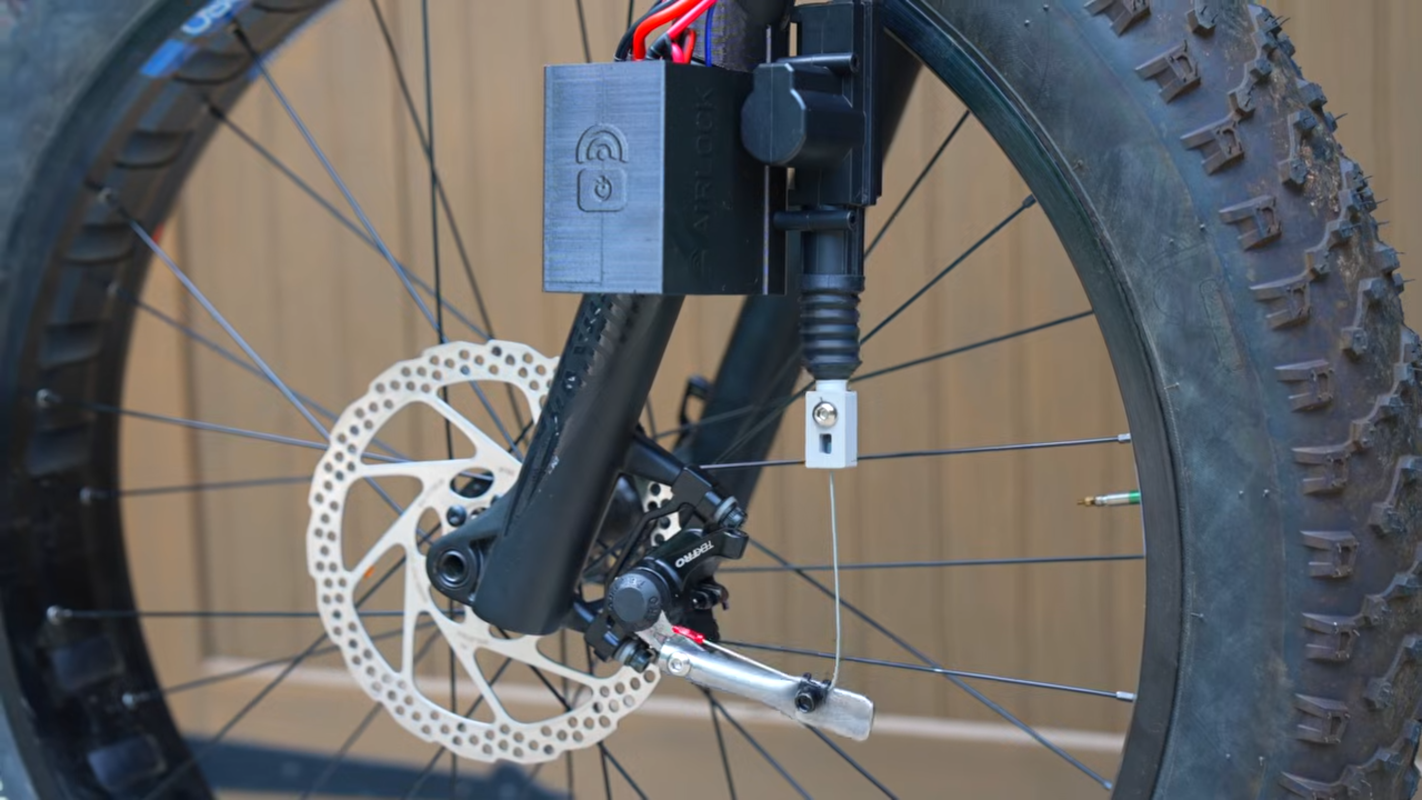
Wireless Fat Tire Brakes: ESP32‑Powered ABS and Remote Control Demo
Tested on a fat‑tire bike, the ESP32‑controlled wireless brakes add ABS, remote‑control, and a braking‑equalizer, showing the future of electronic mountain‑bike braking.
 Technology
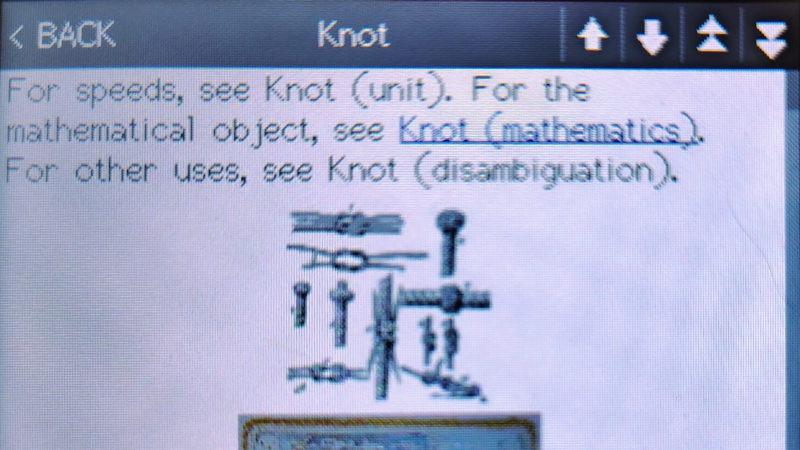
Wikipedia on a Cheap Yellow Display
A hobbyist has adapted the Cheap Yellow Display (CYD), a budget-friendly microcontroller board, to serve as an offline Wikipedia reader by running a customized...
 Technology
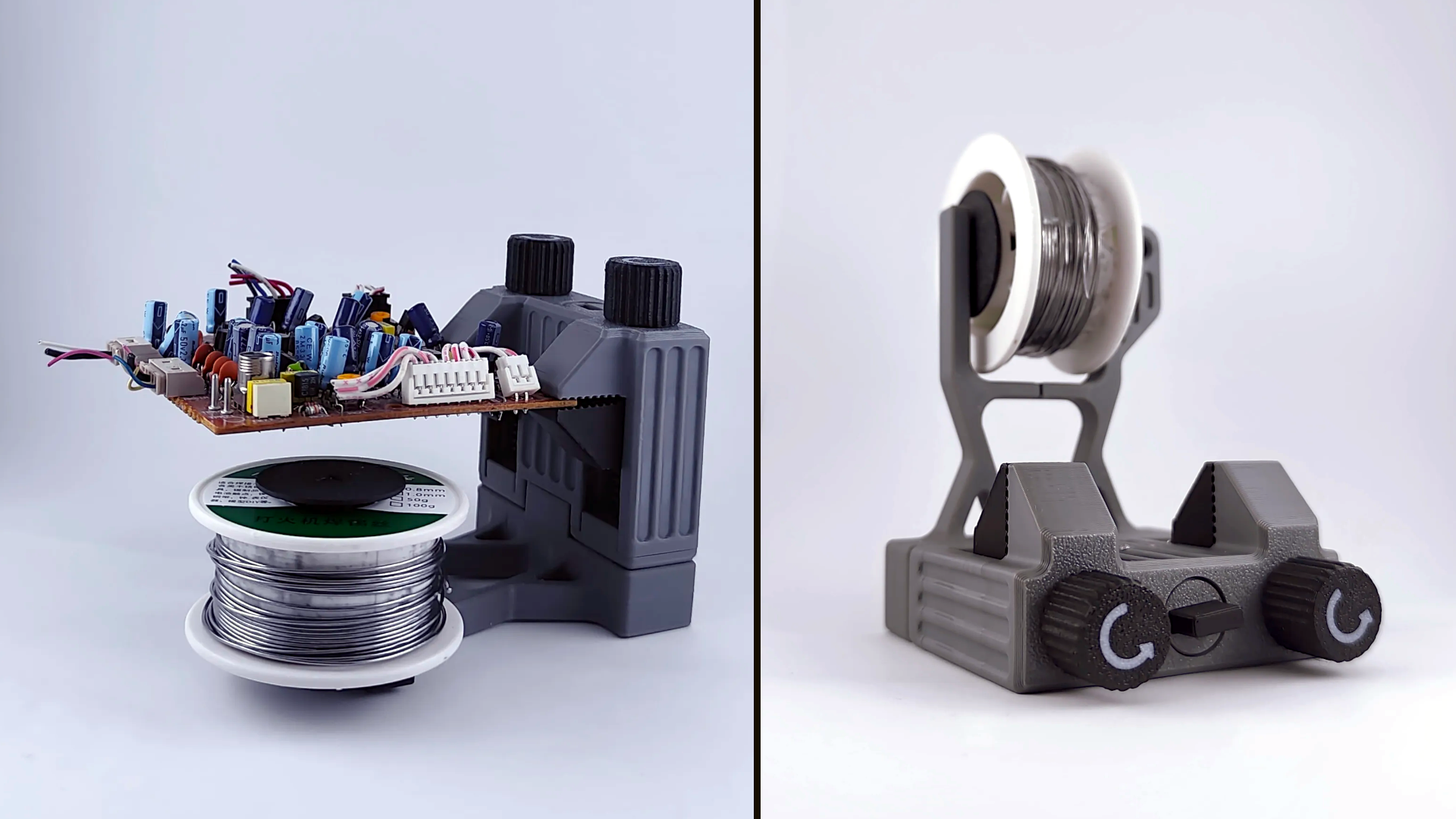
Compact PCB Vise Uses Up That Leftover Filament
A 3D-printed PCB vise created by a maker known online as Chefkoch offers enthusiasts a practical way to repurpose leftover filament spools while gaining a usefu...
 Technology
Apple Health App Revamp with AI Coach Set for September 2024 Release
Apple’s upcoming Health app overhaul, dubbed Project Mulberry, will add an AI health coach, blood‑sugar tracking and camera‑based workout guidance—likely launching in September 2024.
Most Read

Tottenham Hotspur sign Omar Marmoush on loan from Man City with permanent deal option

Nepal Flash Floods Death Toll Rises to 626, Over 2,400 Missing
Nicole Rifkin’s New Yorker Cover Honors Dolly Parton’s Legacy

Machine Learning Boosts Irradiance Prediction for Bifacial Solar Panels