ADC files federal lawsuit against DHS and CBP over unconstitutional targeting of Max Blumenthal

The American-Arab Anti-Discrimination Committee (ADC) has filed a federal lawsuit against Department of Homeland Security Secretary Markwayne Mullin and two Customs and Border Protection (CBP) officials, alleging that journalist Max Blumenthal’s constitutional rights were violated when his phones were seized and subjected to forensic analysis after he returned from a reporting trip to Iran.
The lawsuit, filed in the U.S. District Court for the Eastern District of Virginia on February 18, 2026, names Mullin, CBP Commissioner Rodney S. Scott, and Acting CBP Deputy Commissioner Ronald D. Vitiello as defendants. It accuses federal authorities of violating Blumenthal’s Fourth Amendment rights by seizing his devices without a warrant or individualized suspicion, as well as his First Amendment rights through what the ADC describes as retaliation for his journalism and political views.
According to the complaint, Blumenthal was returning from Iran on July 10, 2025, when CBP officers at Dulles International Airport demanded his two smartphones and passcodes. When he refused, citing privacy concerns and the confidential nature of his work, an officer warned that the phones would be detained and subjected to forensic extraction. The lawsuit argues that CBP’s actions were part of a broader pattern of targeting individuals for criticism of Israel or advocacy for Palestinian rights, which the ADC says has become a testing ground for government overreach.
ADC President and Legal Director Jenin Younes stated, "Advocacy for Palestinians and criticism of Israel has become a testing ground for how far government officials can go in eroding Americans’ constitutional rights, and is increasingly used to justify investigations, punishment and government interference with protected speech and other civil liberties."
The lawsuit also raises concerns about the influence of pro-Israel activists, including Laura Loomer, who has publicly called for Blumenthal’s arrest and claimed credit for prompting the seizure of his devices. The ADC asserts that Loomer’s lobbying of Trump administration officials may have contributed to the unconstitutional action.
Blumenthal, the plaintiff, said in a statement, "I was hardly the only American citizen reporting from Iran during Khamenei’s funeral. Yet I was the only one I know of who had their devices seized by federal agents upon their return home."
The ADC had previously filed an emergency motion seeking the return of Blumenthal’s phones. Though the government complied, the lawsuit continues because the court found the government had not sufficiently proven that no data was extracted. The case seeks to prevent future warrantless forensic searches and to affirm protections for journalists and political speech.
A CBP spokesperson declined to comment, stating that the agency does not discuss pending litigation.
The case, Blumenthal v. Mullin, et al. (1:26-mc-16), is ongoing in the Eastern District of Virginia. The ADC has pledged to challenge similar unconstitutional actions that weaponize law enforcement against critics of U.S.-Israel policy.
Comments (0)
No comments yet — be the first to weigh in.
Related Coverage
 Politics
Autumn Hill Sentenced to 50 Years in Prison for Anti-ICE Protest: A Case of Political Persecution?
Activist Autumn Hill received a 50-year prison sentence for protesting outside a Texas ICE facility. Critics call her conviction a politically motivated use of terrorism charges against anti-fascist demonstrators.
 Politics
Headlines for August 26, 2026
Iran has resumed talks with Oman about managing the Strait of Hormuz while tensions in the region remain high, despite economic pressure from the United States....
 Politics
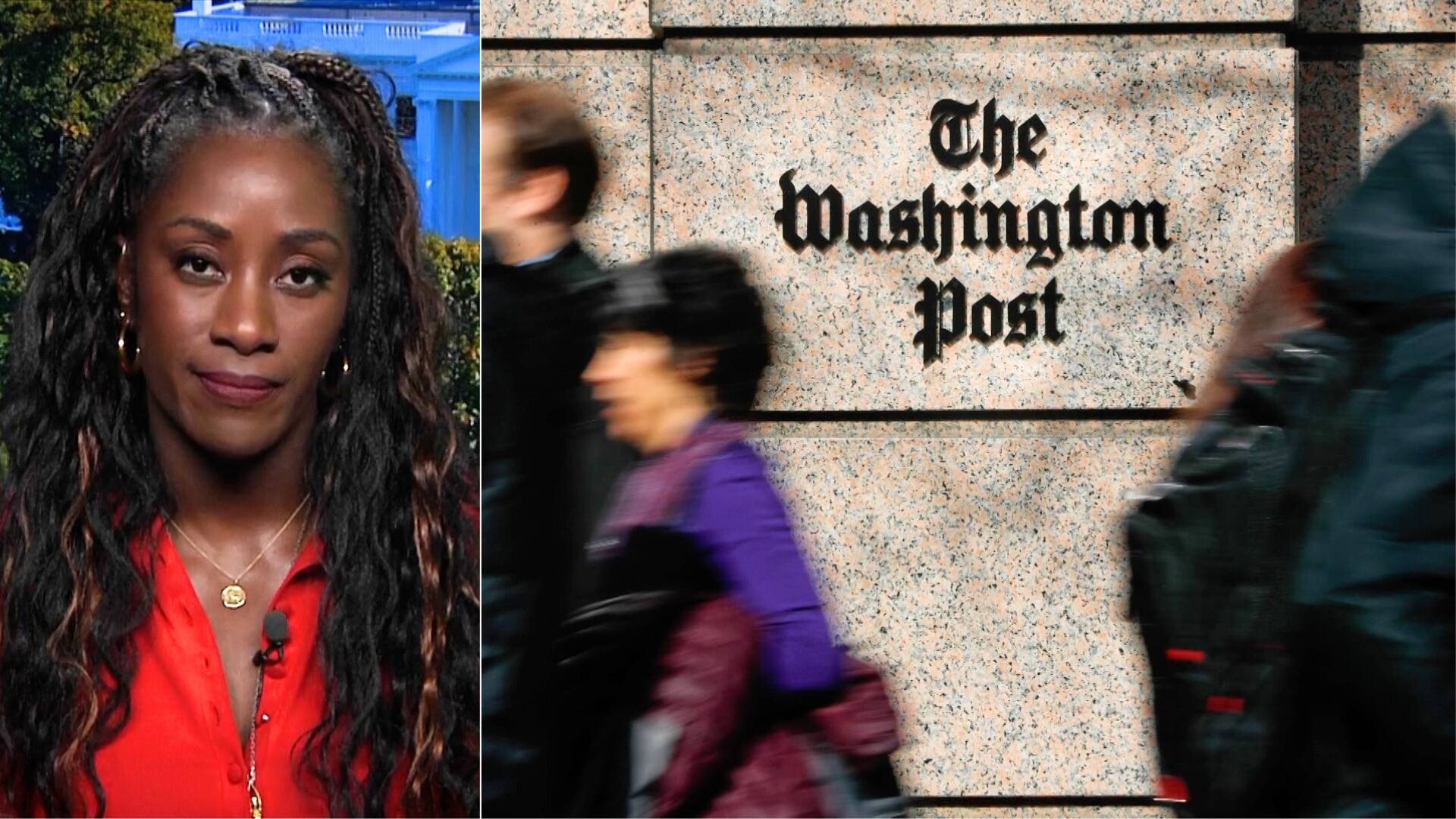
Karen Attiah Wins Reinstatement at Washington Post After Arbitration Victory
Award-winning Washington Post columnist Karen Attiah has been reinstated with back pay after an arbitrator ruled in her favor following her controversial firing over social media posts about Charlie Kirk.
 Politics
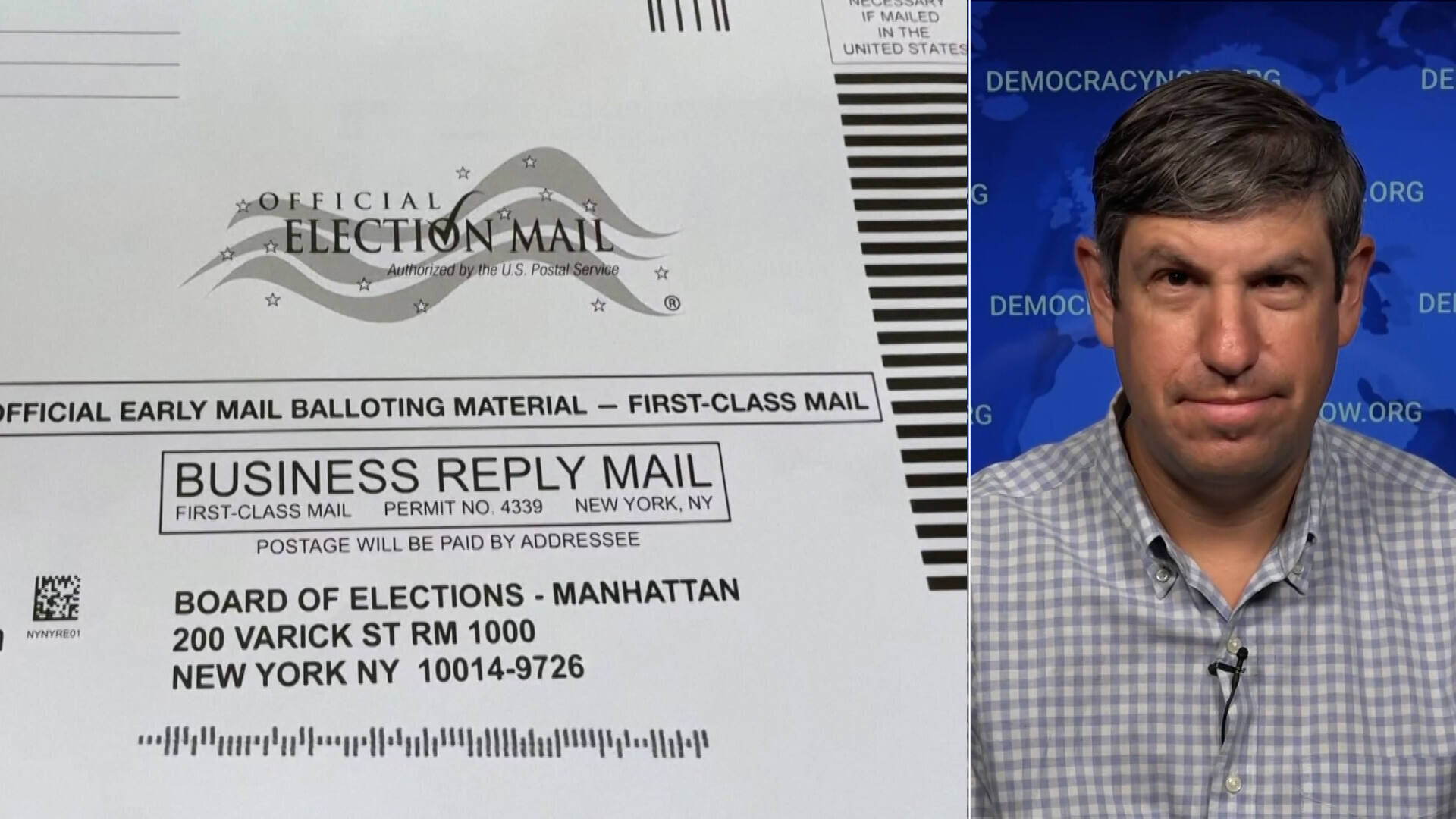
Supreme Court Allows Trump’s Mail-In Voting Restrictions to Proceed: What It Means for Midterms
The Supreme Court’s 6-3 decision lifts an injunction on Trump’s executive order restricting mail-in voting, raising concerns over potential voter disenfranchisement ahead of the midterm elections.
Most Read

Three-storey building collapses at Swaminarayan temple in Prayagraj, no casualties
Kai Bird Explores Roy Cohn's Influence on Donald Trump's America

Canada's Solar Energy Growth: Provinces Chart Diverse Paths to 2035 Goals
Autumn Hill Sentenced to 50 Years in Prison for Anti-ICE Protest: A Case of Political Persecution?
