Why Are People Rejecting Smartphones and Social Media in 2024?
Explore the growing backlash against digital overload as The Atlantic's new podcast 'How to Touch Grass' examines why people are seeking a healthier relationship with technology.
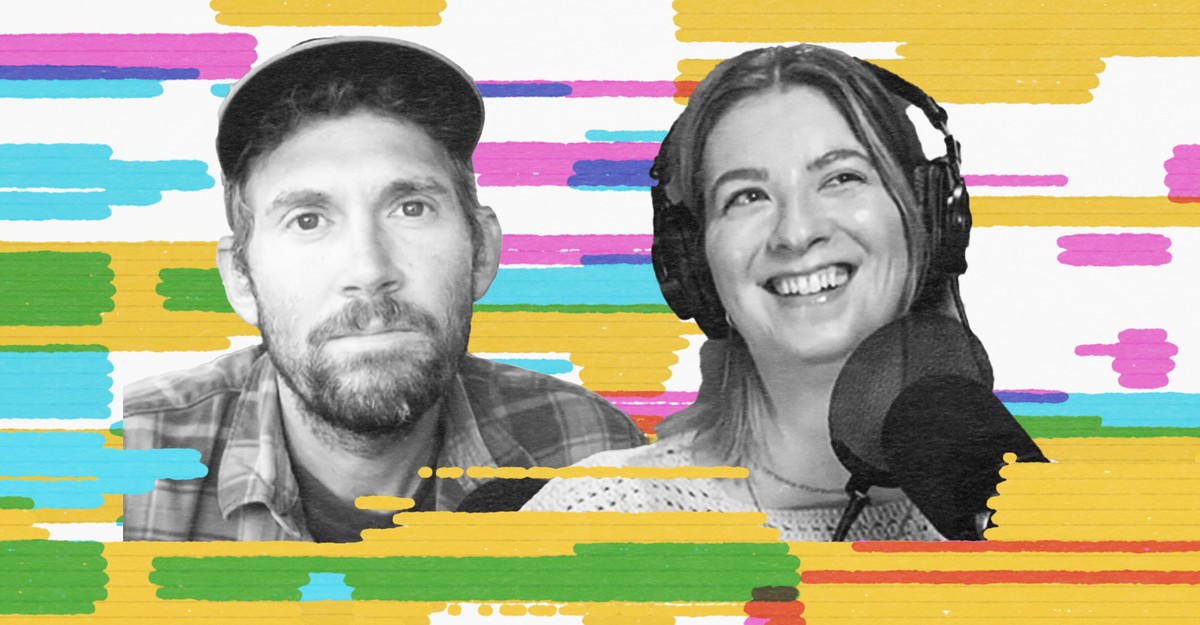
Julie Beck, staff writer at The Atlantic, explores the growing fatigue with digital technology in a new five-part podcast series, "How to Touch Grass," which examines why many are seeking to renegotiate their relationship with their devices. The series, released by The Atlantic, delves into the psychological and cultural shifts driving this trend, as discussed in a recent episode of Galaxy Brain, hosted by Charlie Warzel.
Beck and Warzel examined the broader "scrolling backlash" phenomenon, where people express frustration with constant connectivity, algorithmic manipulation, and the feeling of losing control over their attention. This sentiment has been reflected in cultural shifts, from artists discouraging phone use at concerts to concerns about younger generations' declining reading abilities. Warzel had predicted this backlash earlier this year, noting that it stems from a deeper dissatisfaction with how big tech influences daily life.
The podcast series investigates why this moment feels different from past technological disruptions. Beck highlighted a personal observation: after repeatedly deleting and reinstalling TikTok—often due to memes sent by friends—she noticed an increase in content promoting digital detoxes and analog living. This irony, she noted, reflects a cultural shift where people are questioning the unchecked use of social media and short-form video platforms.
Beck attributed this growing backlash to several factors. First, the prolonged exposure to smartphones and social media has diminished their novelty, making users more aware of their negative effects. Second, high-profile controversies, such as lawsuits against Instagram over mental health concerns and debates about children's access to social media, have amplified public scrutiny. Third, the rise of artificial intelligence (AI) has intensified fears about technology replacing human relationships, prompting a renewed appreciation for embodied experiences.
The series also explores nostalgia, a recurring theme in discussions about digital fatigue. Warzel and Beck questioned whether this moment is uniquely damaging to cognition or if it simply feels different due to the scale and speed of modern technology. Beck suggested that while people have always sought balance, the current wave of backlash is distinct in its visibility and cultural discourse.
Through interviews and personal reflection, "How to Touch Grass" aims to provide insights into reclaiming agency over technology use. The podcast challenges listeners to consider how they can engage with digital tools without being consumed by them.
#TechBacklash #DigitalWellbeing #TheAtlantic #GalaxyBrain #JulieBeck #CharlieWarzel #SocialMediaCritique #AIConcerns
Comments (0)
No comments yet — be the first to weigh in.
Related Coverage
Nicole Rifkin’s New Yorker Cover Honors Dolly Parton’s Legacy
Artist Nicole Rifkin’s New Yorker cover commemorates Dolly Parton, celebrating her music and philanthropy. Discover more iconic musician covers.
The New Yorker's Daily Cartoon: August 28th Humor & Caption Contest
Explore The New Yorker's Daily Cartoon for August 28th, featuring humor, a caption contest, and insights from a self-declared next president.
Kai Bird Explores Roy Cohn's Influence on Donald Trump's America
Historian Kai Bird analyzes Roy Cohn's role in shaping Donald Trump's political and personal ethos in this insightful New Yorker feature.
Ian Frazier and Samy Burch Discuss 'Coyote vs. Acme' in The New Yorker
Explore the satirical brilliance of 'Coyote vs. Acme' and its creators in this latest New Yorker feature. Insights into the film's dark humor and cultural impact await.
Most Read

Tottenham Hotspur sign Omar Marmoush on loan from Man City with permanent deal option

Nepal Flash Floods Death Toll Rises to 626, Over 2,400 Missing
Nicole Rifkin’s New Yorker Cover Honors Dolly Parton’s Legacy

Machine Learning Boosts Irradiance Prediction for Bifacial Solar Panels