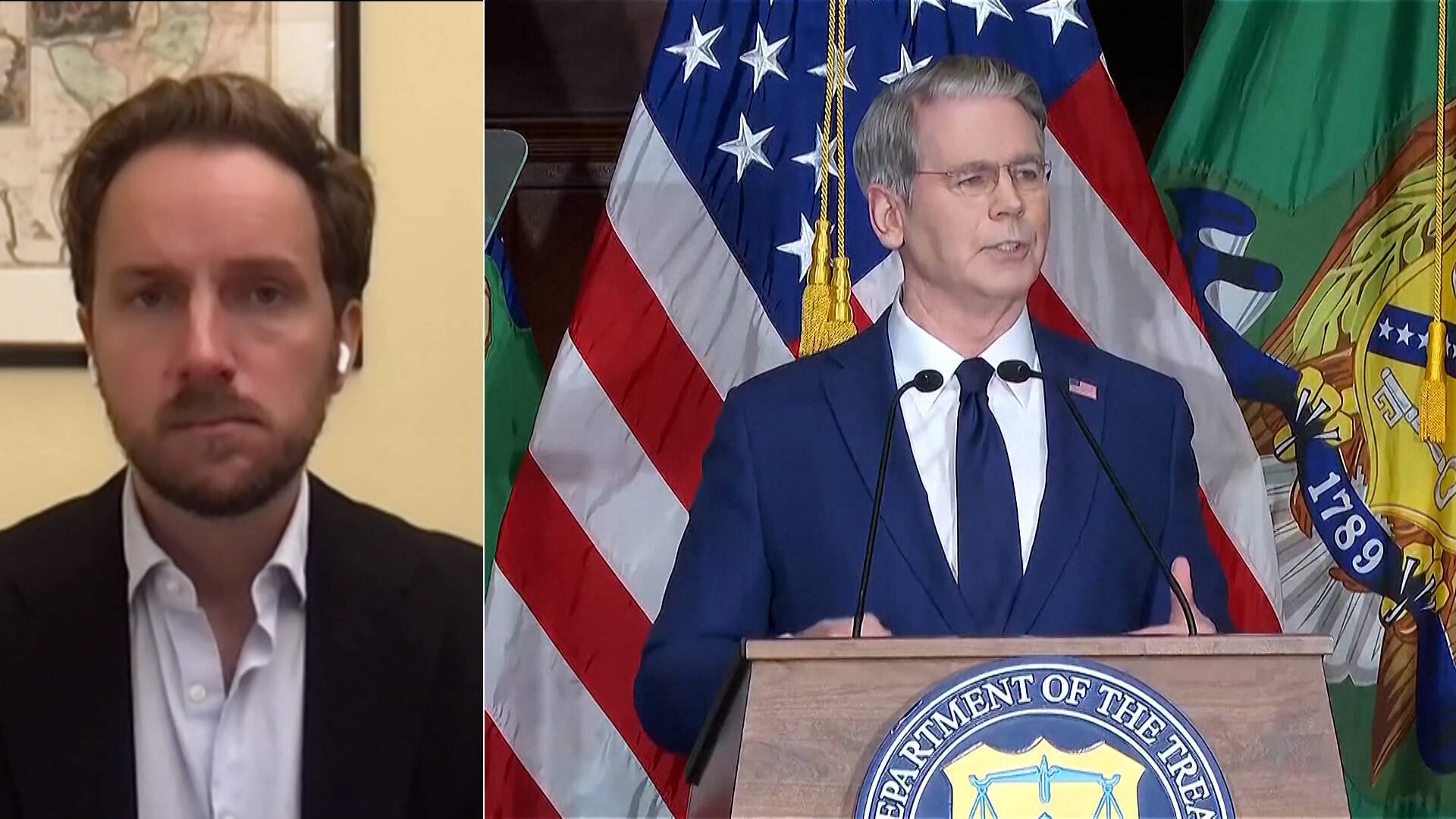
US Secures Historic Deal to Control Venezuela's Massive Oil Reserves
The US and Venezuela have reached a landmark agreement to develop 65 billion barrels of oil reserves, aiming to boost supply and lower gas prices for Americans.
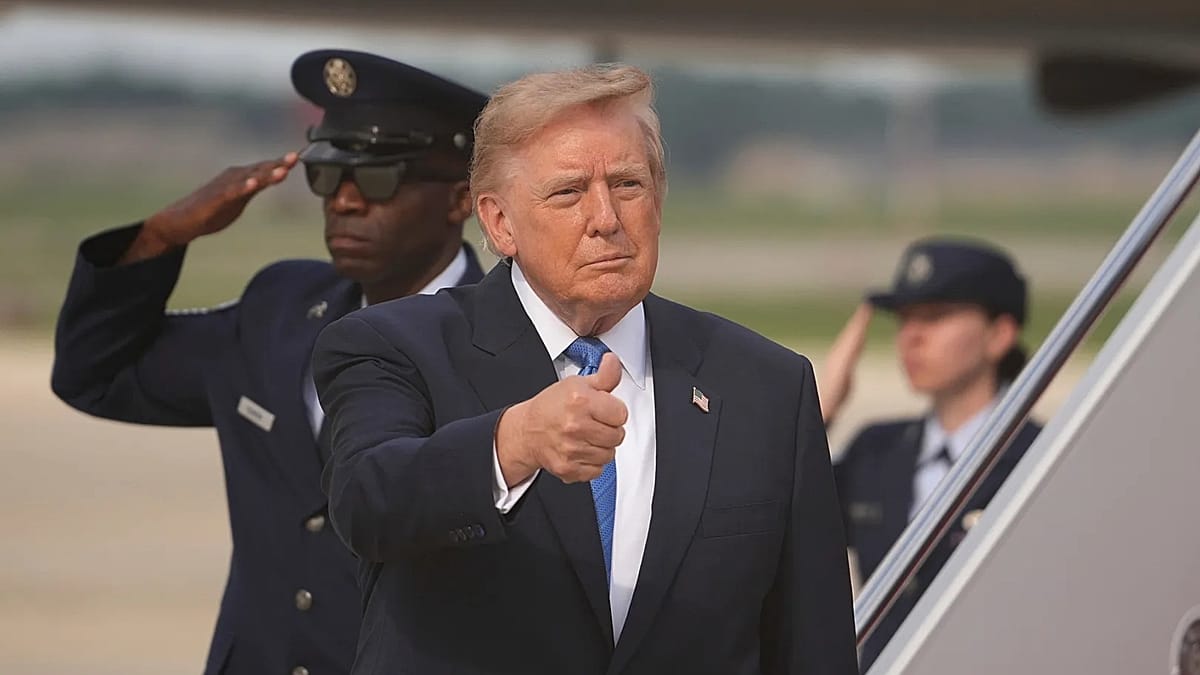
The United States and Venezuela have finalized a historic oil agreement that grants Washington significant control over Venezuela’s vast energy resources, potentially unlocking 65 billion barrels of crude reserves. Announced by U.S. President Donald Trump on Truth Social, the deal—described as the “biggest oil deal in world history”—aims to expand American oil reserves, boost supply, and reduce gasoline prices for consumers. Venezuelan acting President Delcy Rodríguez later confirmed the agreement in a social media statement, calling it a pivotal step toward economic recovery and development.
According to Rodríguez, the deal includes the development of 17 strategic oil fields, with projected investments exceeding $100 billion and potential state revenue of more than $209 billion in taxes. The announcement follows years of U.S. interest in Venezuela’s oil sector, particularly under the Trump administration, which has actively encouraged American oil companies to invest in South America’s largest proven reserves.
U.S. Secretary of State Marco Rubio praised the agreement on X, calling it a “huge win for both the American and Venezuelan people.” He emphasized that the deal aligns with Trump’s foreign policy agenda, securing stable oil supplies in the Western Hemisphere while supporting economic reconstruction in Venezuela. Rubio also highlighted expected benefits such as nearly $100 billion in private investment, the creation of thousands of high-paying jobs, and broader economic revitalization.
Despite the optimism, challenges remain. Many U.S. oil firms have hesitated due to concerns over aging infrastructure, political instability, and regulatory risks in Venezuela. The country’s oil industry has faced long-term decline, exacerbated by international sanctions and internal mismanagement. Analysts warn that despite the agreement’s potential, significant capital and technical expertise will be required to revive production at scale.
The deal comes amid heightened U.S. engagement with Venezuela following a January military operation targeting former leader Nicolás Maduro. Trump previously pledged billions in investment to rebuild Venezuela’s oil sector, framing it as a strategic move to strengthen energy security and counter global oil market fluctuations.
While the agreement represents a major step in U.S.-Venezuela relations, its long-term success depends on execution, investment flows, and geopolitical stability.
#VenezuelaOilDeal #USVenezuela #OilReserves #DonaldTrump #DelcyRodríguez #EnergySecurity #VenezuelaEnergy #MarcoRubio
Comments (0)
No comments yet — be the first to weigh in.
Related Coverage
 Europe
Teen in Critical Condition After E-Scooter Crash in Longford – Gardaí Seek Witnesses
A teenage e-scooter rider is in critical condition after a crash in Longford. Gardaí appeal for witnesses and CCTV footage to help with the investigation.
 Europe
Top Morning News Bulletin: Europe & Global Updates August 29, 2026
Stay informed with the latest breaking news and world updates from Europe and beyond. Read Euronews' morning bulletin for essential headlines.
 Europe
Nature-Inspired Architecture Shortlisted for World Architecture Festival 2026
Discover how shortlisted designs for the World Architecture Festival 2026 blend with nature, using rainwater harvesting, natural materials, and sustainable cooling to minimize ecological impact.
 Europe
Guinea-Bissau's Military-Backed Referendum Sparks Boycott, Rights Concerns
Guinea-Bissau’s junta-led referendum on a new constitution granting expanded presidential powers faces opposition boycott amid rights violations and EU criticism.
Most Read

Tottenham Hotspur sign Omar Marmoush on loan from Man City with permanent deal option

Nepal Flash Floods Death Toll Rises to 626, Over 2,400 Missing
Nicole Rifkin’s New Yorker Cover Honors Dolly Parton’s Legacy
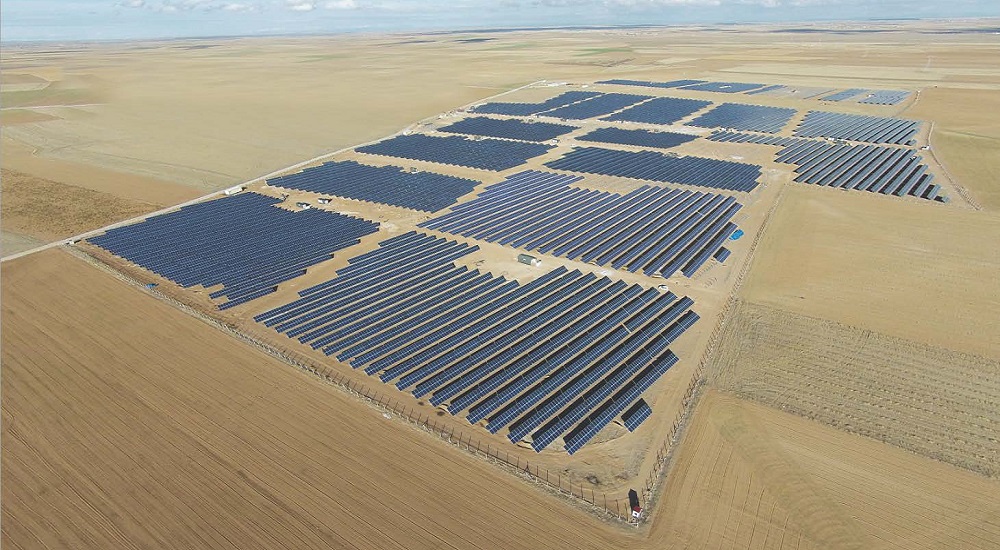
Machine Learning Boosts Irradiance Prediction for Bifacial Solar Panels