US Imposes Secondary Sanctions on Egyptian Bank’s UAE Branches for Iran Ties
The U.S. Treasury announced secondary sanctions on Banque Misr’s UAE branches for Iran ties, cutting dollar access and adding a Hong Kong entity to the list.
The U.S. Department of the Treasury announced its first secondary sanctions targeting foreign financial institutions for their dealings with Iran on Friday, imposing restrictions on the United Arab Emirates branches of Egypt’s Banque Misr.
According to a Treasury statement, the sanctions block the UAE branches of Banque Misr from accessing the U.S. financial system and prohibit dollar-denominated transactions. The move follows a broader U.S. campaign to sever Iran’s economic ties, though it comes amid uncertainty over whether similar penalties may be applied to China over its trade with Tehran.
Treasury Secretary Scott Bessent emphasized the administration’s commitment to isolating Iran, stating, “We warned that Iran’s enablers cannot continue to enjoy access to the U.S. dollar and the global financial system. Banque Misr UAE decided to find out the hard way and, today, we are taking the first step in holding it accountable for its continued, egregious support of the Iranian regime.”
In addition to Banque Misr’s UAE branches, the Treasury sanctioned a financial entity in Hong Kong and an individual linked to Iran’s Bank Melli, alleging involvement in money laundering for a sanctioned Iranian exchange house.
Egypt’s central bank clarified that the sanctions only affect Banque Misr’s UAE branches, not its operations in Cairo or other international locations, including Paris, Frankfurt, Riyadh, Beirut, and Djibouti. The Central Bank of Egypt stated it is in contact with U.S. authorities regarding the measures.
The announcement follows President Trump’s pledge to impose “tremendous economic consequences” on any country facilitating Iran’s trade, including in sectors such as digital assets, technology, gold, aviation, and shipping. However, it remains unclear whether the U.S. will directly penalize China, a major oil buyer from Iran, despite warnings of potential repercussions.
Analysts note that while the sanctions mark a significant escalation in U.S. economic pressure on Iran, their scope appears limited in this initial phase, targeting specific branches rather than entire institutions. Egypt, a long-standing U.S. ally and recipient of substantial American aid, has historically aligned closely with Washington’s foreign policy objectives.
The Treasury’s action underscores the administration’s strategy of leveraging secondary sanctions to disrupt Iran’s financial networks, though the effectiveness of these measures—and their broader geopolitical implications—remains to be seen.
Comments (0)
No comments yet — be the first to weigh in.
Related Coverage
 Business
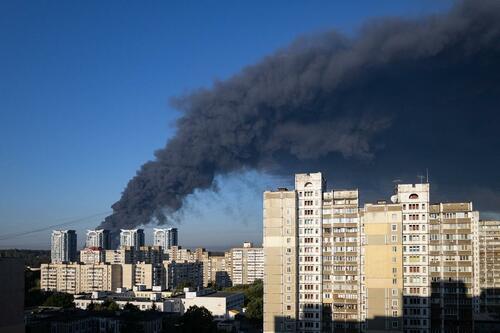
Russian Drone Strike on Kiev Ammo Depot Kills 37, Sparks Evacuations
A Russian drone strike on an ammunition depot near Kiev caused massive explosions, killing 37 and injuring dozens. Ukraine's food logistics infrastructure is 90% destroyed, raising concerns ahead of winter.
 Business
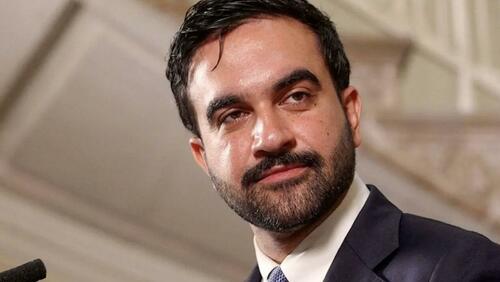
Mamdani Begs Capitalists At The Adult Table For Help
New York City Mayor Zohran Mamdani has launched a Business Advisory Council, signaling a notable shift in his approach to engaging with the city's business...
 Business
Watch: Russian Military Conducts Test Of Huge Mobile ICBM
Russia’s Defense Ministry announced Friday that its Strategic Missile Forces conducted a successful test launch of a mobile, solid-fuel intercontinental ballist...
 Business
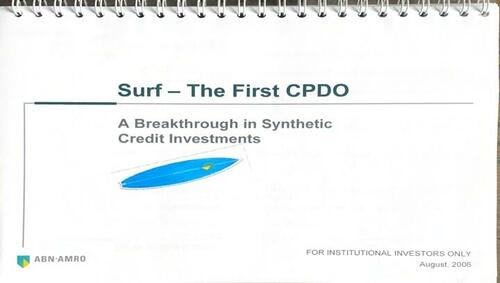
Have We Really Learnt The Lessons Of The GFC?
Two decades after the 2006 launch of the Constant Proportion Debt Obligation (CPDO), a financial product that promised AAA-rated returns while leveraging bets o...
Most Read
Russian Drone Strike on Kiev Ammo Depot Kills 37, Sparks Evacuations

At least 37 dead and hundreds evacuated after strike on Kyiv warehouse
Ian Frazier and Samy Burch Discuss 'Coyote vs. Acme' in The New Yorker
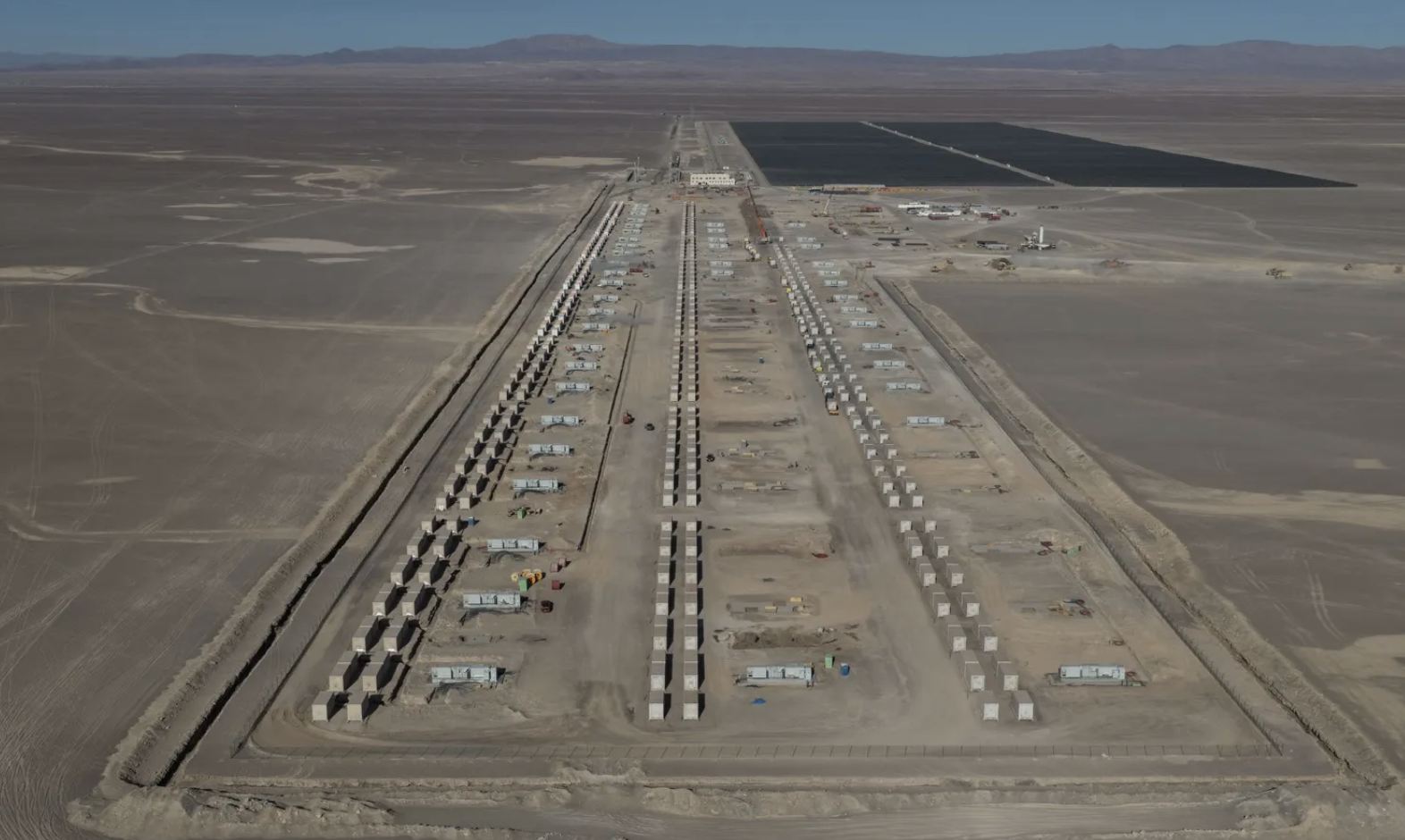
Latin America Energy Storage Forecast Jumps to 34 GW by 2035: Wood Mackenzie