UK Courts Silence Palestine Activists in Controversial 'Terrorism' Trials
UK prosecutors restrict Palestine Action activists' defenses in trials, using 'terrorism' labels to silence protest motives. Critics call this a dangerous erosion of free speech.

British authorities have intensified legal measures against the protest group Palestine Action, with three ongoing trials featuring restrictive courtroom tactics aimed at securing terrorism-related convictions. These cases follow a pattern of judicial restrictions, media blackouts, and expanded definitions of terrorism to target activists disrupting alleged complicity in Israeli military actions.
In one such case, known as the Teledyne Three, activists are being tried for damaging a factory in northern England that produces components for the F-35 fighter jet, which has been used in military operations in Gaza and Iran. The presiding judge, Kay Driver, has prohibited defense teams from explaining their clients’ motivations, warning that any attempt to link their actions to political grievances could result in a "terrorism connection" designation during sentencing.
The British media has been barred from reporting on pre-trial hearings, and jurors have been restricted from hearing certain defenses. The prosecution, too, faces limitations, requiring court permission before referencing terrorism-related arguments. This legal framework creates a coercive environment where defendants are effectively silenced while facing severe penalties if convicted.
The Teledyne Three case is one of several in which Palestine Action members are being prosecuted under increasingly broad terrorism laws. In February, a British court ruled that the government’s initial attempt to designate the group as a terrorist entity was unlawful. However, the Home Office’s July 2025 designation remains under appeal, and activists continue to face terrorism charges in separate proceedings.
In June, four Palestine Action members known as the Filton Six were convicted and sentenced to five to eight years in prison after a trial that Amnesty International described as a "dangerous" infringement on protest rights. The judge in that case imposed severe restrictions on what the jury could consider, including barring them from knowing that the defendants could face terrorism enhancements if convicted of lesser offenses.
Legal experts and observers have raised concerns about the systematic use of terrorism designations to suppress activism. In another recent case, five Palestine Action members were convicted of damaging a Barclays bank branch that finances Israeli arms manufacturers. Though the terrorism designation was not raised during their trial, prosecutors later applied to add it, leaving the defendants and jury unaware that they were involved in a terrorism case until after their conviction.
The presiding judge in that case, Altham, has faced past criticism for excessive sentences in unrelated protest cases. In 2018, he handed down 18-month prison terms to anti-fracking protesters, a decision later overturned on appeal due to judicial bias concerns.
The crackdown on Palestine Action extends beyond courtrooms. Thousands of supporters, including elderly individuals and Holocaust survivors, have been arrested for public displays of solidarity with the group or opposition to its ban. Critics argue that these measures aim to neutralize one of the few avenues available to British citizens to disrupt alleged state complicity in military actions overseas.
Legal analysts warn that the expanding use of terrorism charges in protest cases sets a dangerous precedent, leaving the scope of permissible activism in Britain increasingly uncertain. The ongoing trials suggest that authorities are prioritizing the suppression of dissent over addressing the underlying grievances driving direct action.
Comments (0)
No comments yet — be the first to weigh in.
Related Coverage
 Politics
Autumn Hill Sentenced to 50 Years in Prison for Anti-ICE Protest: A Case of Political Persecution?
Activist Autumn Hill received a 50-year prison sentence for protesting outside a Texas ICE facility. Critics call her conviction a politically motivated use of terrorism charges against anti-fascist demonstrators.
 Politics
Headlines for August 26, 2026
Iran has resumed talks with Oman about managing the Strait of Hormuz while tensions in the region remain high, despite economic pressure from the United States....
 Politics
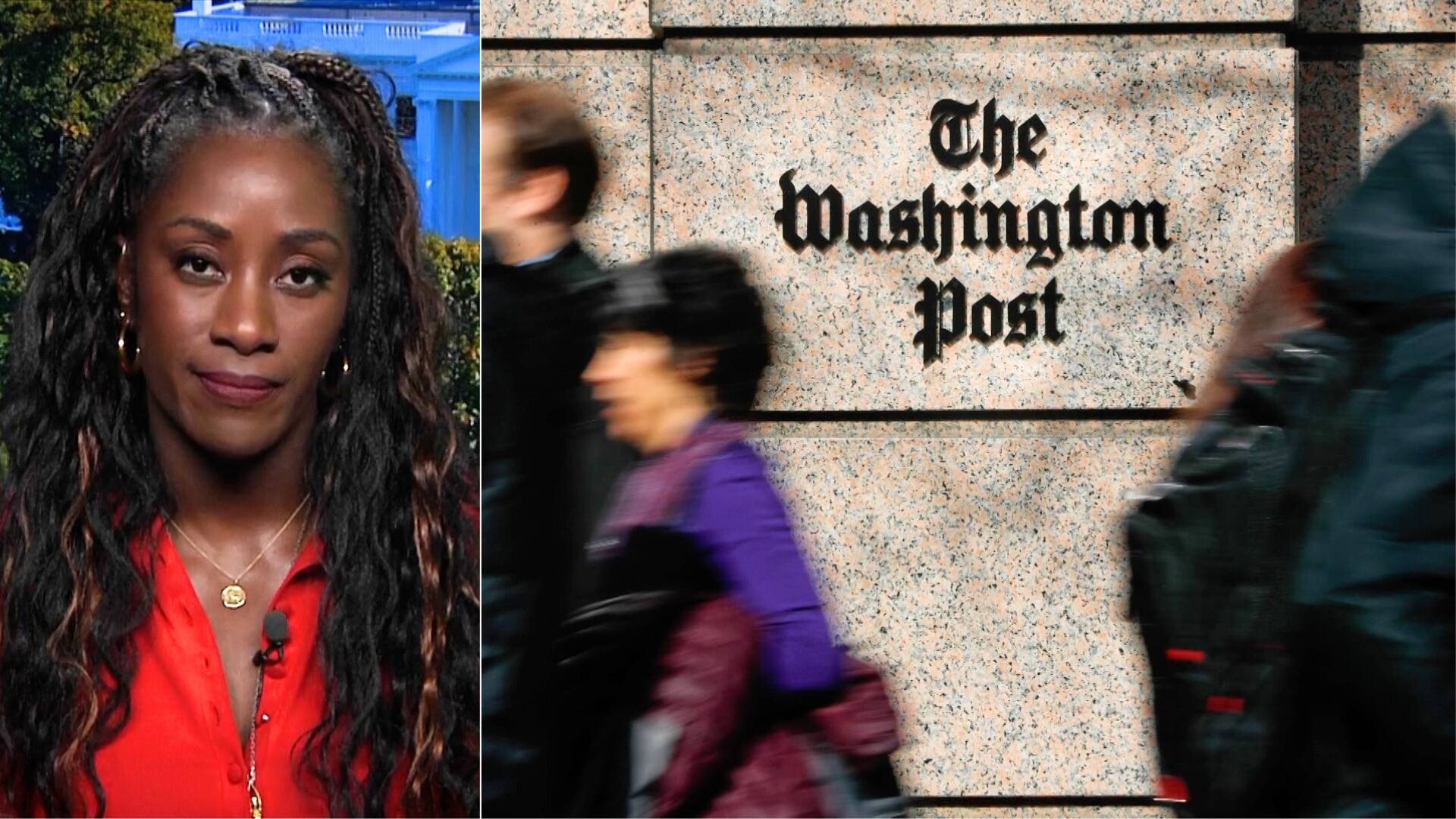
Karen Attiah Wins Reinstatement at Washington Post After Arbitration Victory
Award-winning Washington Post columnist Karen Attiah has been reinstated with back pay after an arbitrator ruled in her favor following her controversial firing over social media posts about Charlie Kirk.
 Politics
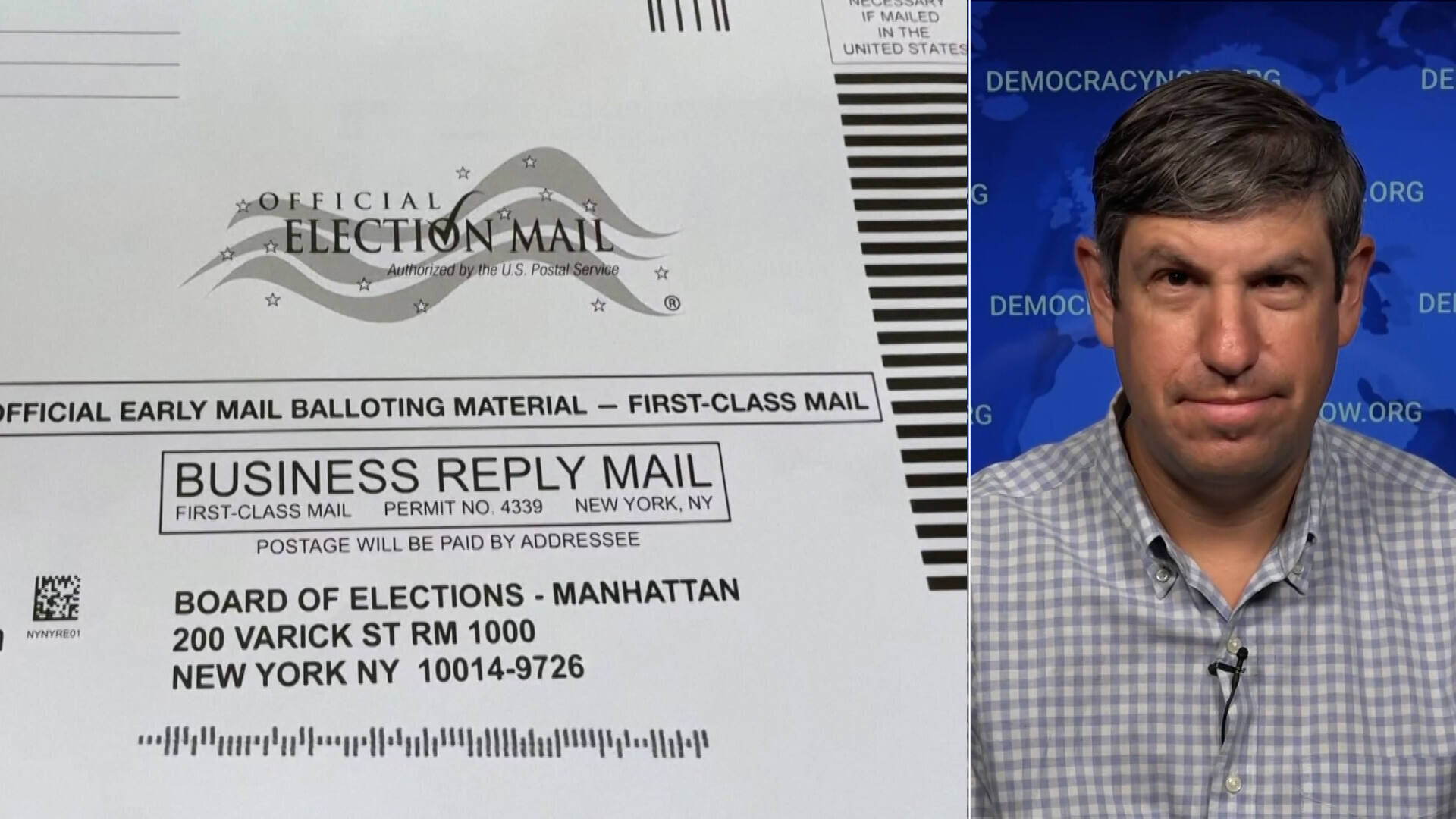
Supreme Court Allows Trump’s Mail-In Voting Restrictions to Proceed: What It Means for Midterms
The Supreme Court’s 6-3 decision lifts an injunction on Trump’s executive order restricting mail-in voting, raising concerns over potential voter disenfranchisement ahead of the midterm elections.
Most Read
Autumn Hill Sentenced to 50 Years in Prison for Anti-ICE Protest: A Case of Political Persecution?

Hull City Secure 1-0 Away Win at Coventry, Maintain Perfect Premier League Start

DSM-6 to Integrate Biology in Mental Health Diagnosis for First Time
Russian Drone Strike on Kiev Ammo Depot Kills 37, Sparks Evacuations
