Trump's Wild Horse Slaughter Plan Echoes Nixon's Environmental Legacy
Trump's move to slaughter protected wild horses contrasts sharply with Nixon's 1971 landmark legislation protecting mustangs, marking a shift in GOP environmental policy.

Last week, The New York Times reported that the Trump administration is moving forward with plans to remove protections for wild horses, potentially leading to their slaughter. The article, titled "Under Trump, Protected Wild Horses Are Going to Slaughter," has sparked widespread outrage.
Wild horses, long considered a symbol of freedom and the American West, are now facing a new threat under the current administration. The Times report comes as part of a broader pattern of environmental rollbacks under President Trump, which have also targeted wolves, migratory birds, public lands, and national parks.
The administration's plans to remove protections for wild horses were foreshadowed in Project 2025, a policy blueprint developed by the Heritage Foundation. Wild horse advocates had warned about the potential implications of this policy document during the 2024 election, but the issue was overshadowed by other concerns.
The move to remove protections for wild horses follows a long history of conflict over their management. Since the signing of the Wild Free-Roaming Horses and Burros Act in 1971 by President Richard Nixon, wild horses have had a tenuous existence on public lands, with ranchers, mining companies, and other interests often pushing for their removal.
Nixon's signing of the act was a landmark moment for wild horse advocates. At the time, Nixon also quoted Henry David Thoreau, stating, "We need the tonic of wildness." He further elaborated on the importance of protecting wild horses, calling them a "living link with the conquistadors, through the heroic times of the western Indians and pioneers to our own day," and arguing that they "merit protection as a matter of ecological right."
The drive to protect wild horses gained significant momentum in the 1950s and 1960s, thanks to the efforts of Velma Johnston, a Nevada woman known as Wild Horse Annie. Johnston's advocacy began after she witnessed a truck carrying injured mustangs to a slaughterhouse. She subsequently launched a nationwide campaign that culminated in the passage of the Wild Free-Roaming Horses and Burros Act.
Despite the protections afforded by the 1971 act, wild horses have continued to face threats from various quarters. Ranchers, mining companies, and other interests have long sought to remove them from public lands to make way for cattle grazing, mining, and other uses.
The Trump administration's plans to remove protections for wild horses have drawn sharp criticism from advocacy groups. These groups argue that the move is part of a broader effort to dismantle environmental protections and prioritize commercial interests over conservation.
The administration's actions have also raised questions about the future of wild horses on public lands. With protections set to be removed, it is unclear what safeguards, if any, will remain in place to prevent their slaughter.
As the debate over wild horses continues, it is clear that their future remains uncertain. What is certain, however, is that the Trump administration's plans to remove protections for these iconic animals have sparked a new round of controversy and concern among advocates and the public alike.
Comments (0)
No comments yet — be the first to weigh in.
Related Coverage
 Politics
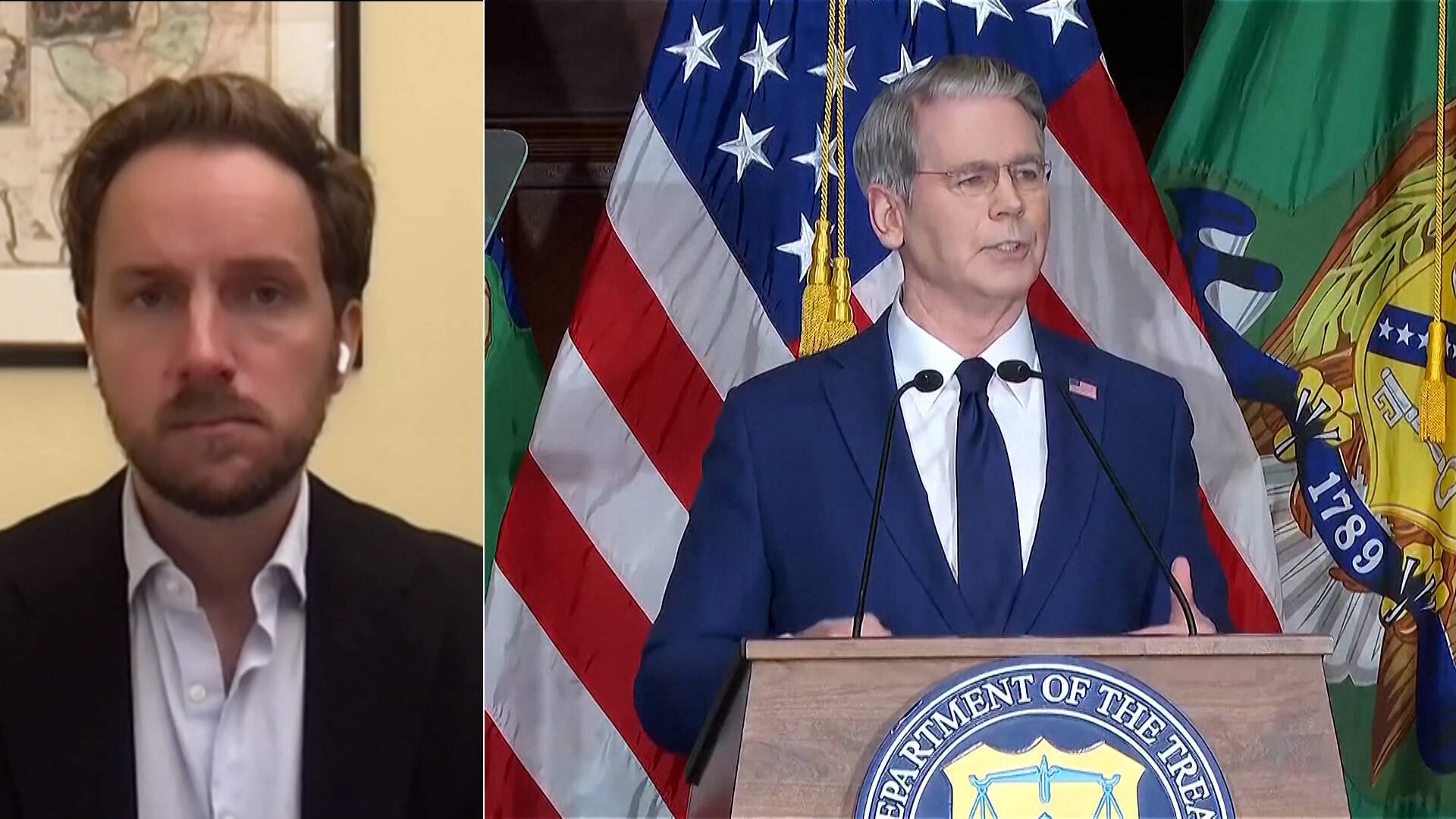
US Threatens New Iran Sanctions Targeting China and Allies: Analysis
The US administration announced plans to expand Iran sanctions, risking tensions with China and other top trading partners. Experts warn of limited impact on Iran and potential global financial consequences.
 Politics
Illinois Is a Sanctuary State, But Cops & Prosecutors Still Secretly Work with ICE: Injustice Watch
Illinois, known as a sanctuary state under the TRUST Act, has seen local law enforcement and prosecutors secretly collaborate with U.S. Immigration and Customs...
 Politics
Autumn Hill Sentenced to 50 Years in Prison for Anti-ICE Protest: A Case of Political Persecution?
Activist Autumn Hill received a 50-year prison sentence for protesting outside a Texas ICE facility. Critics call her conviction a politically motivated use of terrorism charges against anti-fascist demonstrators.
 Politics
Headlines for August 26, 2026
Iran has resumed talks with Oman about managing the Strait of Hormuz while tensions in the region remain high, despite economic pressure from the United States....
Most Read

Tottenham Hotspur sign Omar Marmoush on loan from Man City with permanent deal option

Nepal Flash Floods Death Toll Rises to 626, Over 2,400 Missing
Nicole Rifkin’s New Yorker Cover Honors Dolly Parton’s Legacy
Machine Learning Boosts Irradiance Prediction for Bifacial Solar Panels