Trump’s Plan to Lower Beef Prices Draws Backlash from Ranchers
President Trump's plan to import 300,000 metric tons of beef to lower prices faces criticism from ranchers and GOP senators, citing minimal impact and market disruption.
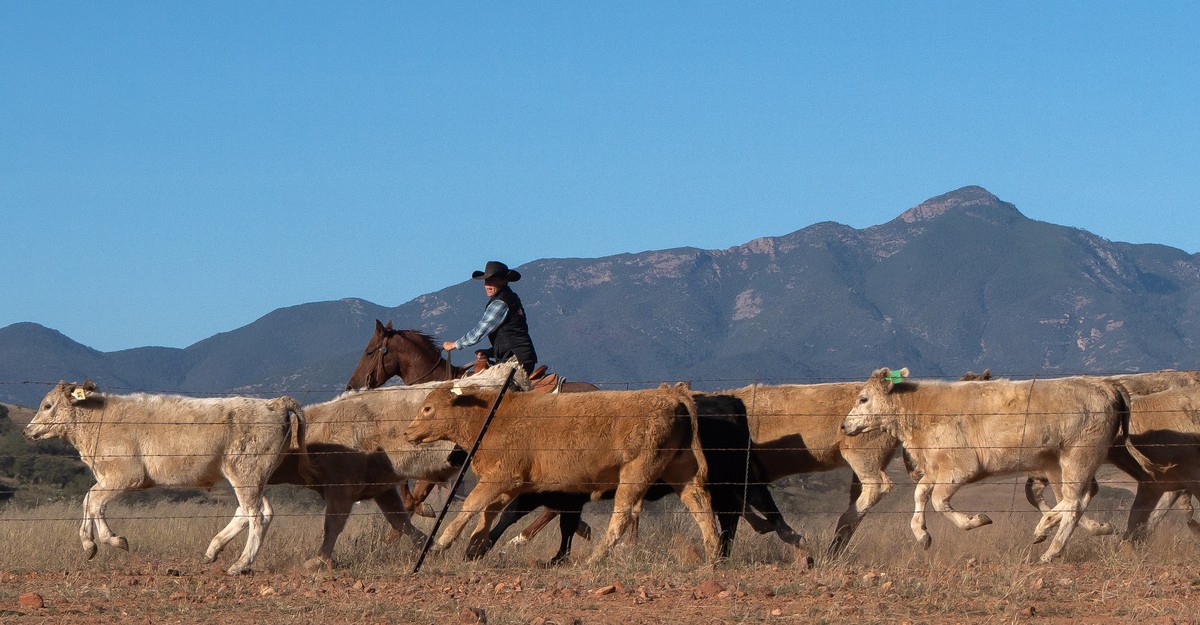
President Donald Trump has announced a temporary reduction in beef tariffs, allowing the import of 300,000 metric tons of ground beef into the United States at prices 25 percent below current market rates. The move, aimed at easing consumer costs ahead of midterm elections, has sparked controversy among domestic ranchers and Republican lawmakers who argue it could harm the U.S. cattle industry.
The beef supply chain—from ranchers to grocery stores—has been strained by years of drought, a shrinking cattle herd (now at a 75-year low), and rising demand. While economists suggest the tariff adjustment may only slightly reduce ground beef prices, traders have already responded by depressing cattle prices, raising concerns among ranchers who rely on protective tariffs to maintain competitiveness. A coalition of livestock industry leaders has urged Trump to reconsider, warning that the policy could undermine domestic producers.
The White House has not specified which countries will supply the beef, with Agriculture Secretary Brooke Rollins stating she was not involved in the decision-making process. Earlier this month, 30,000 pounds of Argentine beef were recalled over inspection concerns, though the administration has not addressed whether similar issues could arise with the new imports. Trump has framed the move as a way to lower prices while allowing the U.S. cattle herd to recover, though critics argue it does little to address long-term supply challenges.
Republican senators, including Tom Cotton and John Barrasso, have openly opposed the tariff adjustment, calling it unfair to American producers. The administration’s broader economic strategy—including price-focused interventions in fuel and groceries—has drawn skepticism, with analysts noting that temporary fixes do not resolve structural issues. In a recent Truth Social post, Trump attempted to placate ranchers by promising them greater control over food processing, a move critics say could further disrupt the industry.
The debate highlights tensions between short-term political gains and the economic realities facing U.S. agriculture, leaving both consumers and producers uncertain about the policy’s long-term impact.
#BeefPrices #TrumpAdministration #AgriculturePolicy #USRanchers #Tariffs #MidtermElections #CattleIndustry
Comments (0)
No comments yet — be the first to weigh in.
Related Coverage
Nicole Rifkin’s New Yorker Cover Honors Dolly Parton’s Legacy
Artist Nicole Rifkin’s New Yorker cover commemorates Dolly Parton, celebrating her music and philanthropy. Discover more iconic musician covers.
The New Yorker's Daily Cartoon: August 28th Humor & Caption Contest
Explore The New Yorker's Daily Cartoon for August 28th, featuring humor, a caption contest, and insights from a self-declared next president.
Kai Bird Explores Roy Cohn's Influence on Donald Trump's America
Historian Kai Bird analyzes Roy Cohn's role in shaping Donald Trump's political and personal ethos in this insightful New Yorker feature.
Ian Frazier and Samy Burch Discuss 'Coyote vs. Acme' in The New Yorker
Explore the satirical brilliance of 'Coyote vs. Acme' and its creators in this latest New Yorker feature. Insights into the film's dark humor and cultural impact await.
Most Read

Tottenham Hotspur sign Omar Marmoush on loan from Man City with permanent deal option

Nepal Flash Floods Death Toll Rises to 626, Over 2,400 Missing
Nicole Rifkin’s New Yorker Cover Honors Dolly Parton’s Legacy
Machine Learning Boosts Irradiance Prediction for Bifacial Solar Panels