Trump’s Latest Vanity Project: Emulating A Persian Gulf Oil Monarch

The Trump administration has proposed a plan for the U.S. federal government to assume control of more than a dozen Venezuelan oil fields, according to a report from Axios. Under the proposal, operational control would be handed over to private oil companies. Legal experts note that such a deal would require congressional approval, as the president lacks unilateral authority to negotiate foreign oil production control.
Critics argue the plan resembles the financial structures of Persian Gulf oil monarchies. Tyson Slocum, director of Public Citizen’s Energy Program, stated that if implemented, the deal would likely benefit Trump-linked oil companies while bypassing transparency and oversight. Slocum emphasized that Congress must intervene to prevent what he described as "oil-fueled imperialism."
Since January 2026, the U.S. has controlled Venezuelan oil sales through a $13 billion slush fund, according to Slocum. He claimed the administration has provided no public accounting for these funds. The proposal comes amid ongoing human rights concerns in Venezuela, with critics suggesting the move prioritizes oil control over humanitarian considerations.
Meanwhile, a new report from the American Economic Liberties Project (AELP) highlights the rising costs and inefficiencies of the U.S. healthcare system. The report, titled "Break Up Big Medicine," argues that decades of pro-corporate policies have led to inflated prices, reduced patient access, and financial strain on independent healthcare providers.
Between 2005 and 2025, the annual cost of employer-sponsored family healthcare coverage nearly tripled, reaching $35,119, according to the report. U.S. patients pay nearly three times more for prescription drugs than those in peer nations, while overall healthcare spending exceeds $15,000 per person annually—twice the amount spent by comparable countries.
Six major corporations—Cardinal Health, Cencora, Cigna, CVS Health, McKesson, and UnitedHealth Group—collectively earn nearly $34 billion in annual profits while dominating the healthcare industry. The report notes that more than 80% of U.S. doctors now work for these conglomerates, which require excessive prior authorization requests that divert time from patient care.
Morgan Harper, AELP’s director of policy and advocacy, stated that the crisis stems from policies that prioritized corporate control over affordability. The report proposes a four-part plan to reduce healthcare costs by $795 billion annually, including breaking up corporate monopolies, capping prices, expanding public healthcare options, and enforcing anti-competitive practices laws.
The plan cites existing legislation, such as the Break Up Big Medicine Act and the Patients Before Monopolies Act, as potential solutions. It also calls for standardized pricing based on Medicare rates, a ban on prior authorization, and increased investment in independent providers and safety-net hospitals.
Dr. Will Flanary, an independent ophthalmologist, contributed to the report, describing the challenges of operating outside corporate healthcare systems. He now advocates for policy changes under the name "Dr. Glaucomflecken," arguing that systemic reforms are necessary to restore balance to the healthcare system.
The Trump administration has not yet formally responded to requests for comment on the Venezuelan oil proposal. Meanwhile, AELP continues to push for legislative action to address what it describes as the structural flaws in U.S. healthcare policy.
Comments (0)
No comments yet — be the first to weigh in.
Related Coverage
 Politics
Headlines for August 26, 2026
Iran has resumed talks with Oman about managing the Strait of Hormuz while tensions in the region remain high, despite economic pressure from the United States....
 Politics
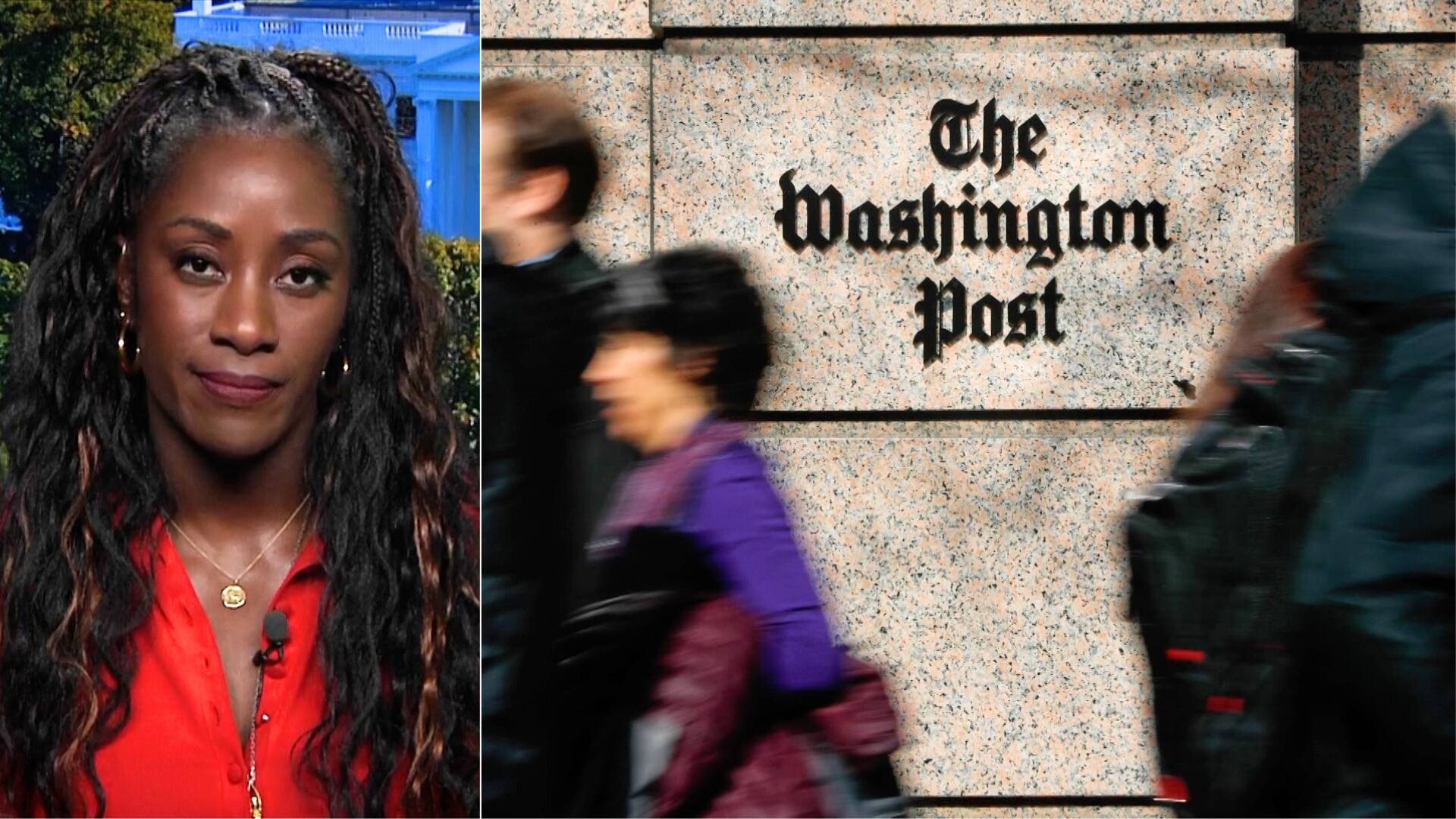
Karen Attiah Wins Reinstatement at Washington Post After Arbitration Victory
Award-winning Washington Post columnist Karen Attiah has been reinstated with back pay after an arbitrator ruled in her favor following her controversial firing over social media posts about Charlie Kirk.
 Politics
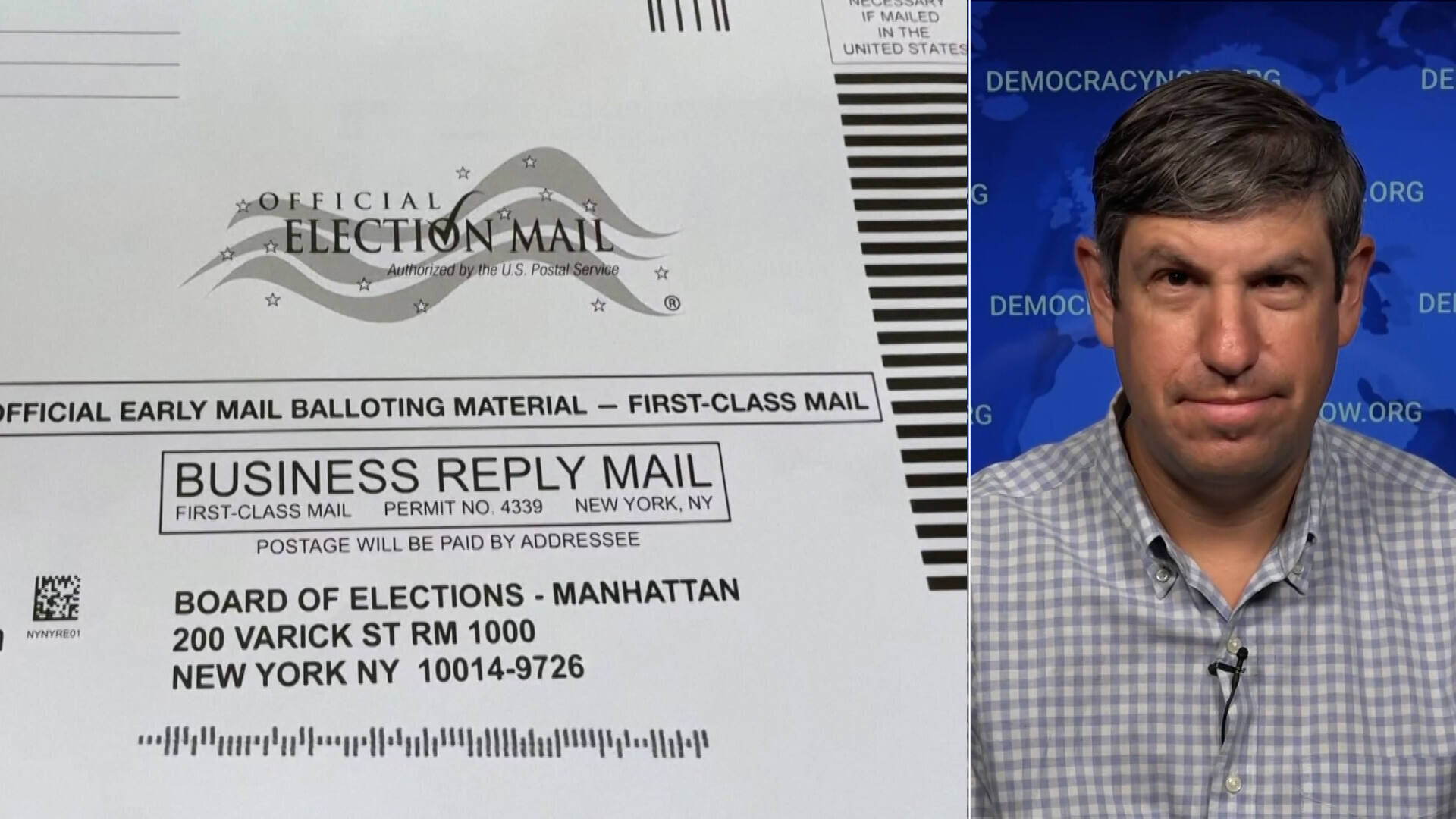
Supreme Court Allows Trump’s Mail-In Voting Restrictions to Proceed: What It Means for Midterms
The Supreme Court’s 6-3 decision lifts an injunction on Trump’s executive order restricting mail-in voting, raising concerns over potential voter disenfranchisement ahead of the midterm elections.
 Politics
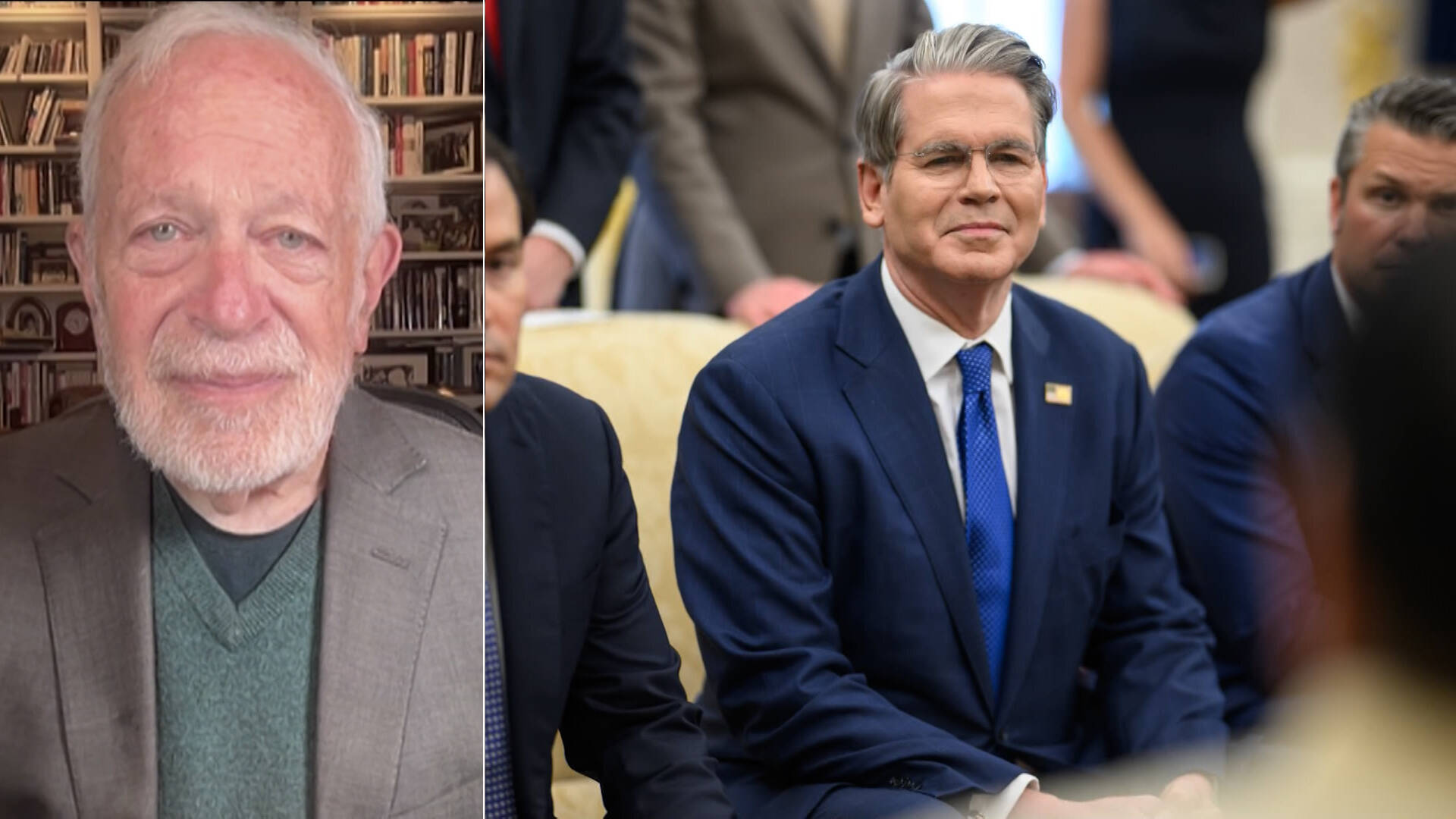
Robert Reich Warns Most Americans Are Getting Poorer Despite Stock Market Highs
Economist Robert Reich criticizes Treasury Secretary Scott Bessent's dismissal of the K-shaped economy, arguing wage stagnation and inflation are worsening inequality.
Most Read

Russian Drone Strike on Kiev Ammo Depot Kills 37, Sparks Evacuations

At least 37 dead and hundreds evacuated after strike on Kyiv warehouse
Ian Frazier and Samy Burch Discuss 'Coyote vs. Acme' in The New Yorker

Latin America Energy Storage Forecast Jumps to 34 GW by 2035: Wood Mackenzie