Trump Rescinds Ethics Pledge, Ex-Officials Rapidly Enter Lobbying Roles
Former Trump officials are quickly moving into lobbying roles at agencies they once worked in, following the president's decision to rescind ethics rules barring such activity.
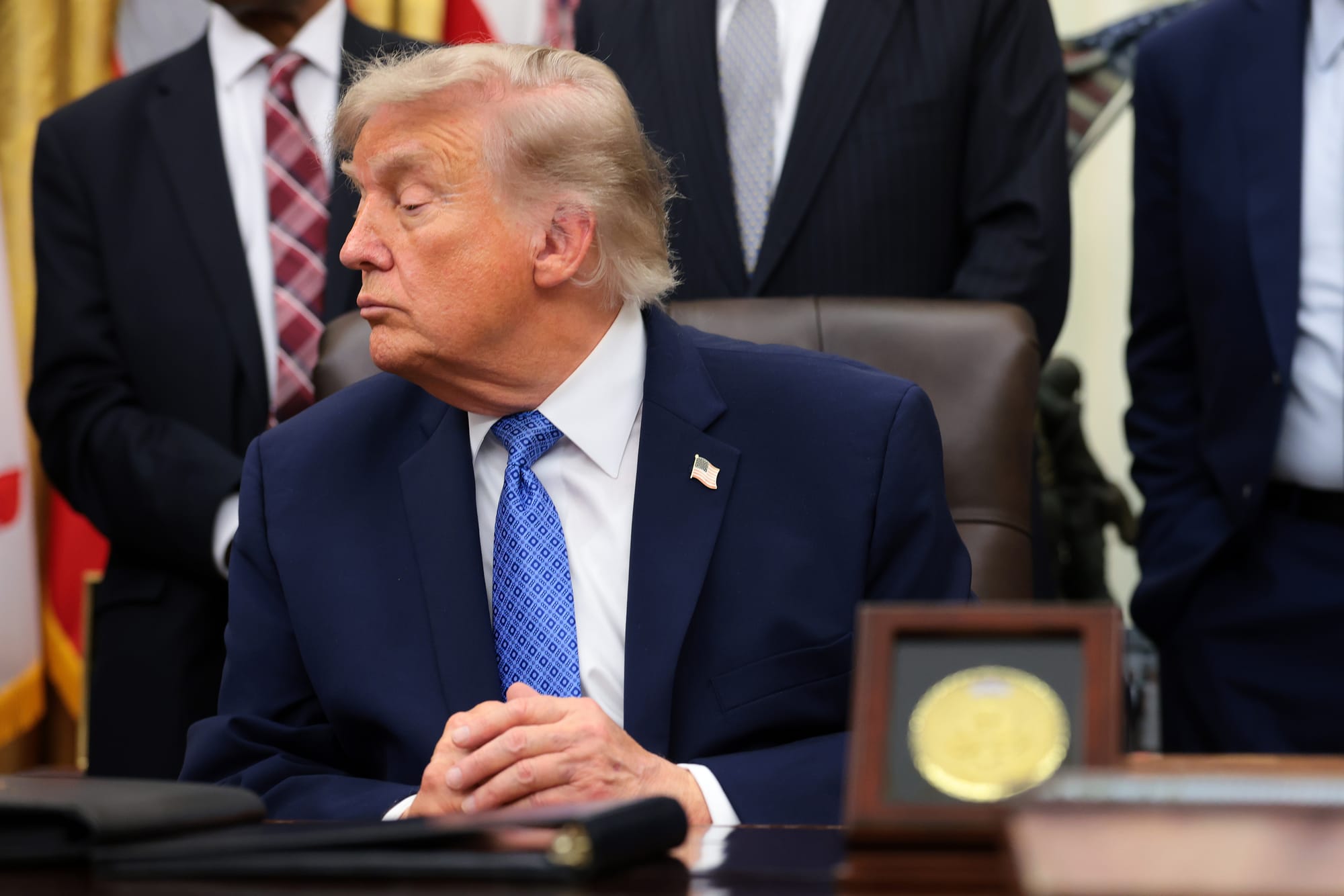
President Donald Trump’s decision to rescind ethics pledges for former officials has led to a rapid revolving door between government agencies and lobbying firms, according to a new review of second-quarter disclosure filings.
Federal lobbying disclosures show multiple former Trump administration officials have taken positions at lobbying firms where they now represent clients before the very agencies they recently worked in. The shift follows Trump’s January 2025 reversal of ethics rules that had previously restricted such activity, including his own 2017 “drain the swamp” pledge that barred lobbying former agencies for five years—an order he later revoked before leaving office in January 2021.
Among those transitioning quickly from public service to private lobbying is Adam Suess, who left his role as acting assistant secretary for land and minerals management at the U.S. Department of the Interior in February 2026. He joined Squire Patton Boggs, a major lobbying firm representing energy and corporate clients. Suess’s largest client, Polar LNG, paid his firm $380,000 in the second quarter alone. The company, incorporated just months earlier, is developing a proposed $8–9 billion liquefied natural gas export terminal on Alaska’s North Slope and has expressed interest in purchasing discounted equipment from a sanctioned Russian project—a transaction that would require approval from the Treasury Department’s Office of Foreign Assets Control. Disclosures show Suess has already lobbied the Interior Department on behalf of agribusiness firm Simplot.
Harrison Fields, who served as principal deputy press secretary and special assistant to the president until August 2025, now works at CGCN Group, where he lobbies on behalf of GlobalFoundries and Infleqtion, a quantum computing firm. Both companies operate in sectors designated as strategic priorities by the administration. Fields’s filings indicate he lobbied the Commerce Department during the same quarter that Trump signed an executive order accelerating quantum technology development—an event attended by Infleqtion’s CEO.
Taylor LaJoie, previously responsible for Senate liaison work in the White House Office of Legislative Affairs until February 2026, has joined the Alpine Group, where he lobbies Congress, the Energy Department, and the Treasury Department for clients including German utility RWE and the Sustainable Aviation Fuel Coalition.
Even staff from Vice President JD Vance’s office are entering the lobbying field. Sean Cooksey, counsel to the vice president and former chair of the Federal Election Commission, left his post in February 2026 to join BGR Group. His clients include SanDisk, Hindalco Industries, and real estate platform Zillow. Disclosures list the White House Office as a target of his lobbying activity.
Government ethics advocates warned early in Trump’s second term that the absence of an ethics pledge would increase the risk of influence-peddling. The Campaign Legal Center noted in January 2025 that most administrations issue such rules at the outset and expressed concern that their absence would make the administration more vulnerable to outside interests.
Critics argue the speed of these transitions raises questions about potential conflicts of interest, especially when former officials lobby the same agencies they recently managed. While legal, the practice reflects a broader trend of rapid movement from government service to high-paying lobbying roles in industries directly regulated by those agencies.
#TrumpAdministration #Lobbying #RevolvingDoor #InteriorDepartment #EthicsRules #JDVance #FederalLobbying
Comments (0)
No comments yet — be the first to weigh in.
Related Coverage
 Politics
Supreme Court Allows Trump’s Mail-In Voting Restrictions to Proceed: What It Means for Midterms
The Supreme Court’s 6-3 decision lifts an injunction on Trump’s executive order restricting mail-in voting, raising concerns over potential voter disenfranchisement ahead of the midterm elections.
 Politics
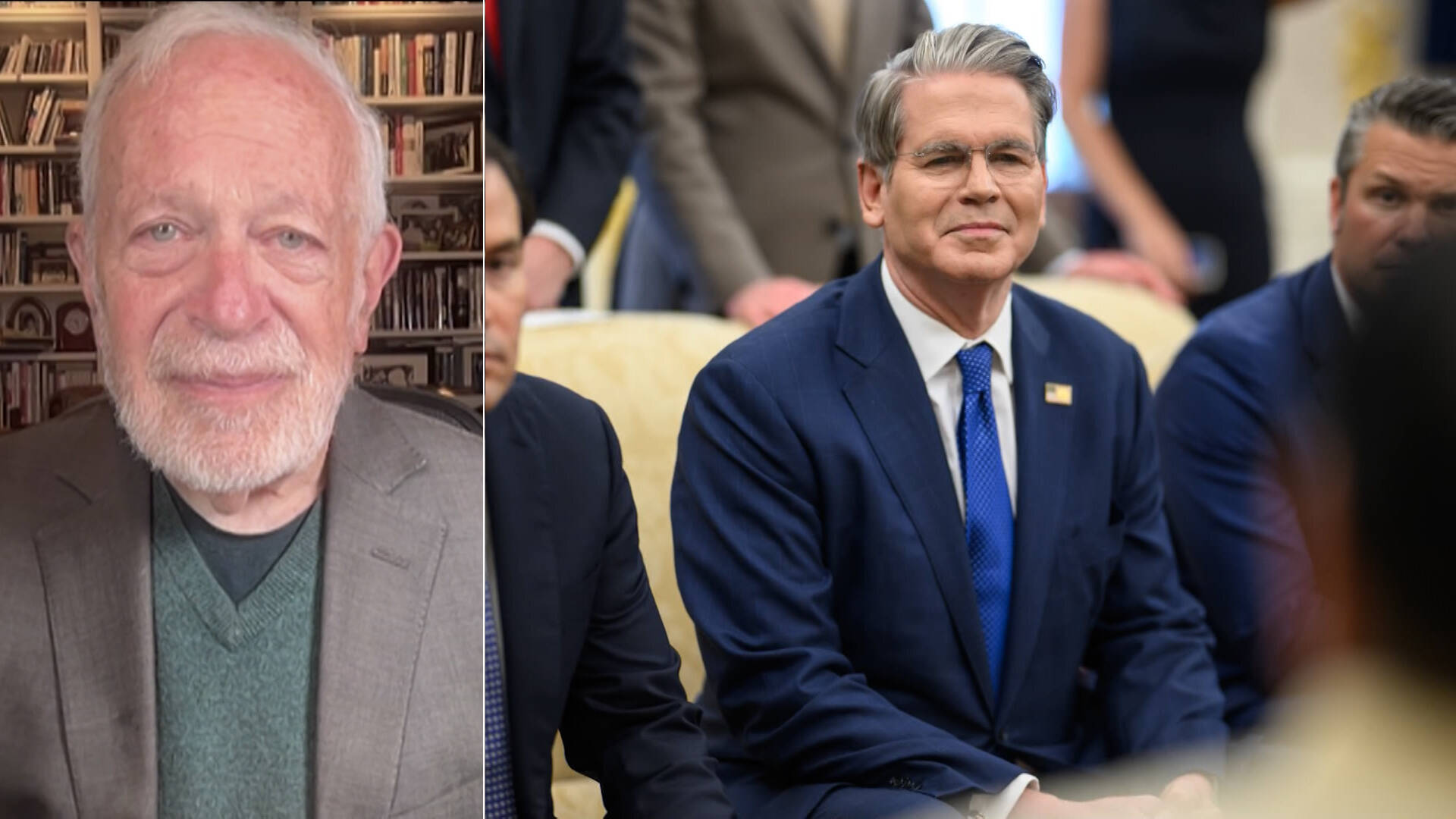
Robert Reich Warns Most Americans Are Getting Poorer Despite Stock Market Highs
Economist Robert Reich criticizes Treasury Secretary Scott Bessent's dismissal of the K-shaped economy, arguing wage stagnation and inflation are worsening inequality.
 Politics
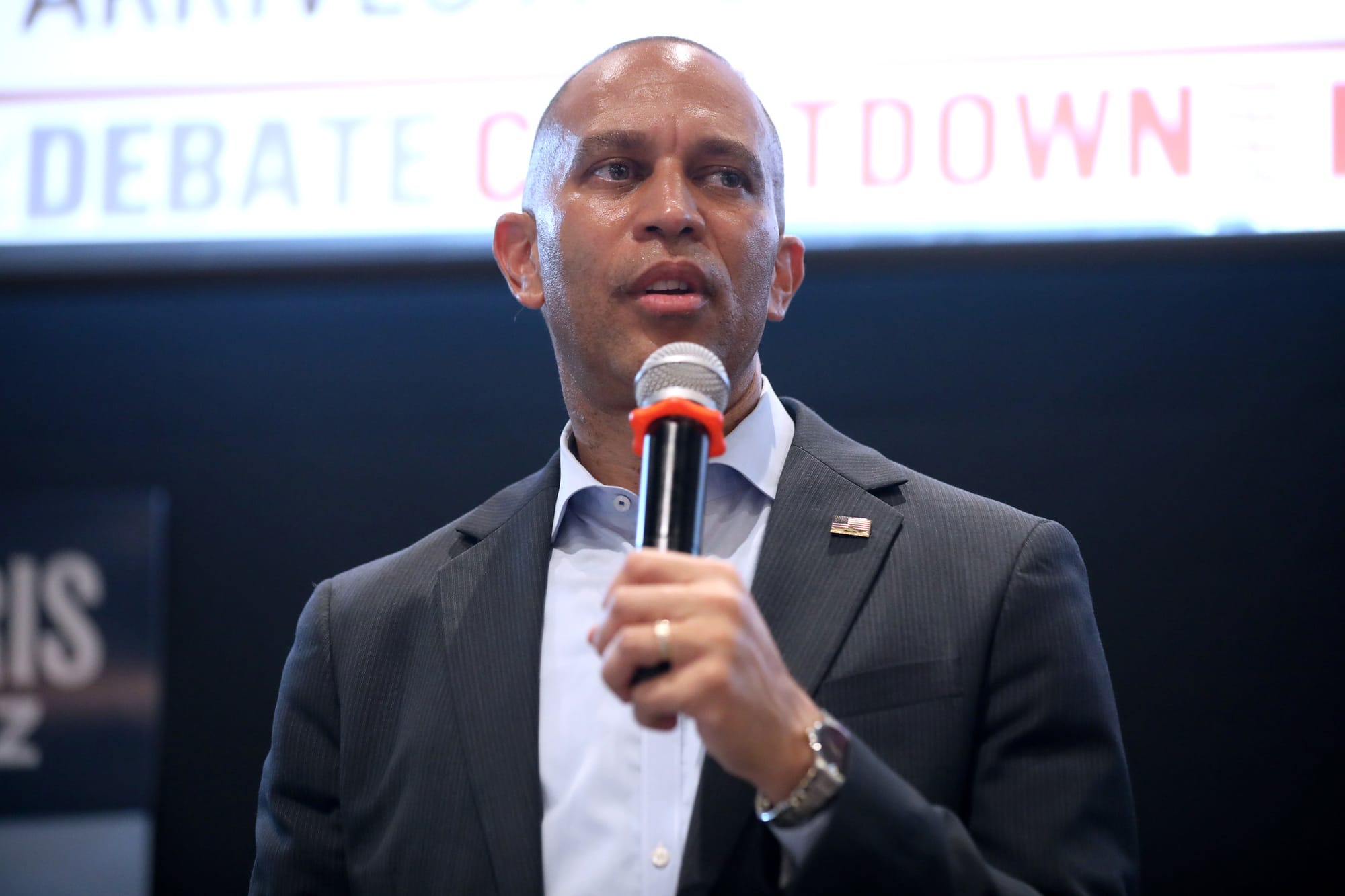
Jeffries Blocks $3.3B Israel Aid Cut After Record AIPAC Earmark
House Minority Leader Hakeem Jeffries opposed a $3.3B cut to U.S. military aid for Israel after receiving a record $149k earmark from AIPAC PAC’s billionaire donor, Daniel Och.
 Politics
Tech Giants Donate $2M+ to AG Groups Amid AI Regulation Lawsuits
Major AI firms including OpenAI, Google, and Meta have donated over $2 million to Democratic and Republican attorneys general groups in 2025-26 as state AGs escalate lawsuits alleging harms to children and deceptive AI safety claims.
Most Read

Arunachal CM Unveils Vision 2036 for Youth Skill & Entrepreneurship Growth

KPop Demon Hunters Joins Criterion Collection: Why the Animated Hit Stands Out

Global renewable energy investments hit $327.5B in H1 2026, solar-plus-storage surges
Supreme Court Allows Trump’s Mail-In Voting Restrictions to Proceed: What It Means for Midterms
