Texas Water Planning Flaws Exposed by Corpus Christi's Water Crisis
Corpus Christi's water emergency revealed critical flaws in Texas' water planning process, which relies on outdated drought models and struggles to adapt to climate change impacts.

Texas’ long-term water planning system, managed by the Texas Water Development Board (TWDB), has faced growing scrutiny following a near-crisis in Corpus Christi, where officials warned of potential water shortages earlier this year. For decades, the state has updated its State Water Plan every five years, relying heavily on historical drought data—particularly the severe 1950s drought of record—to project future water needs. However, experts now argue that this approach may no longer be sufficient, as climate change intensifies droughts, making them more frequent, prolonged, and severe.
A recent report from Texas 2036, a nonpartisan research nonprofit, found that five consecutive state water plans issued over 25 years provided conflicting projections for the Coastal Bend region, which includes Corpus Christi. Some plans suggested water surpluses, while others warned of deficits, leaving local leaders without clear guidance on expanding water supplies. The region’s water infrastructure relies heavily on drought-sensitive rivers and lakes, leaving it vulnerable when rainfall declines.
The crisis peaked in early 2024 as critical reservoirs such as Choke Canyon and Lake Corpus Christi dropped to historic lows, prompting calls for water conservation and disaster declarations. In March, city officials estimated that by May, demand could outstrip supply within six months. While heavy rains in May and upstream flooding in July temporarily eased the threat, delaying a projected water emergency until fall 2028, the near-miss highlighted flaws in the state’s planning process.
Jeremy Mazur, director of natural resources and infrastructure policy at Texas 2036 and author of the report, described the situation as a “massive planning miscue,” questioning why earlier plans did not signal the need for more robust water infrastructure. Sarah Kirkle, director of policy and legislative affairs at the Texas Water Association, noted that many state models still fail to incorporate more recent drought data. “Worse than the 1950s” doesn’t always capture the most extreme conditions communities may face locally.
The TWDB, which oversees the state’s water planning process, acknowledged that existing models may not account for recent or more severe droughts. While the agency allows regional groups to use updated hydrological data, it noted that predicting unprecedented droughts remains challenging. The board also pointed out that regional plans dating back to 2001 did predict shortages in the Coastal Bend for manufacturing customers, though not necessarily for the broader regional system.
A 2023 law now allows regional groups to evaluate scenarios beyond the historical drought of record, but it did not allocate dedicated funding to update modeling systems. Updating surface water models, many of which date to the 1990s, could cost an estimated $4.7 million. While voters approved $1 billion in water infrastructure funding last year, none is specifically earmarked for improving water supply modeling.
The Coastal Bend regional group acknowledged in 2023 that it might be facing a new drought of record and needed updated modeling for its 2026 plan, but cited insufficient funding as a barrier. The state granted over $637,000 for the 2026 regional plan, though it remains unclear whether any funds were used to update drought models. Regional planners did not respond to requests for comment.
State Climatologist John Nielsen-Gammon emphasized the need for planning based on future climate conditions rather than historical benchmarks. “To really be resilient to future droughts, it is necessary to consider how climate change is affecting the vulnerability of water supplies,” he said.
A legislative interim hearing scheduled for August 24 will examine regional water planning and potential reforms. Mazur stressed that Texas cannot afford to base policy on outdated projections. “We can’t have our policy predicated on plans that are not right,” he said.
The State Water Plan is developed through a bottom-up process involving 16 regional planning groups organized by river basins. In the Coastal Bend, planners realized during the 2024 drought that conditions had surpassed their 2007–2013 drought benchmark but lacked time to revise the plan before submission. The final 2026 regional plan was adopted in January despite concerns that modeling was already outdated.
Esteban Ramos, Corpus Christi’s water resource manager and a member of the regional planning group, noted that drought analysis typically occurs after events conclude, leaving planners with limited real-time data. The result is a plan based on conditions that may have already been exceeded.
While recent rains have temporarily alleviated pressure on Corpus Christi’s water supply, the episode underscores broader concerns about the adequacy of Texas’ water planning in an era of accelerating climate change.
#WaterPlanning #CorpusChristi #TexasWater #DroughtResponse #ClimateChange #TexasLegislature #WaterInfrastructure #Texas2036
Comments (0)
No comments yet — be the first to weigh in.
Related Coverage
 Politics
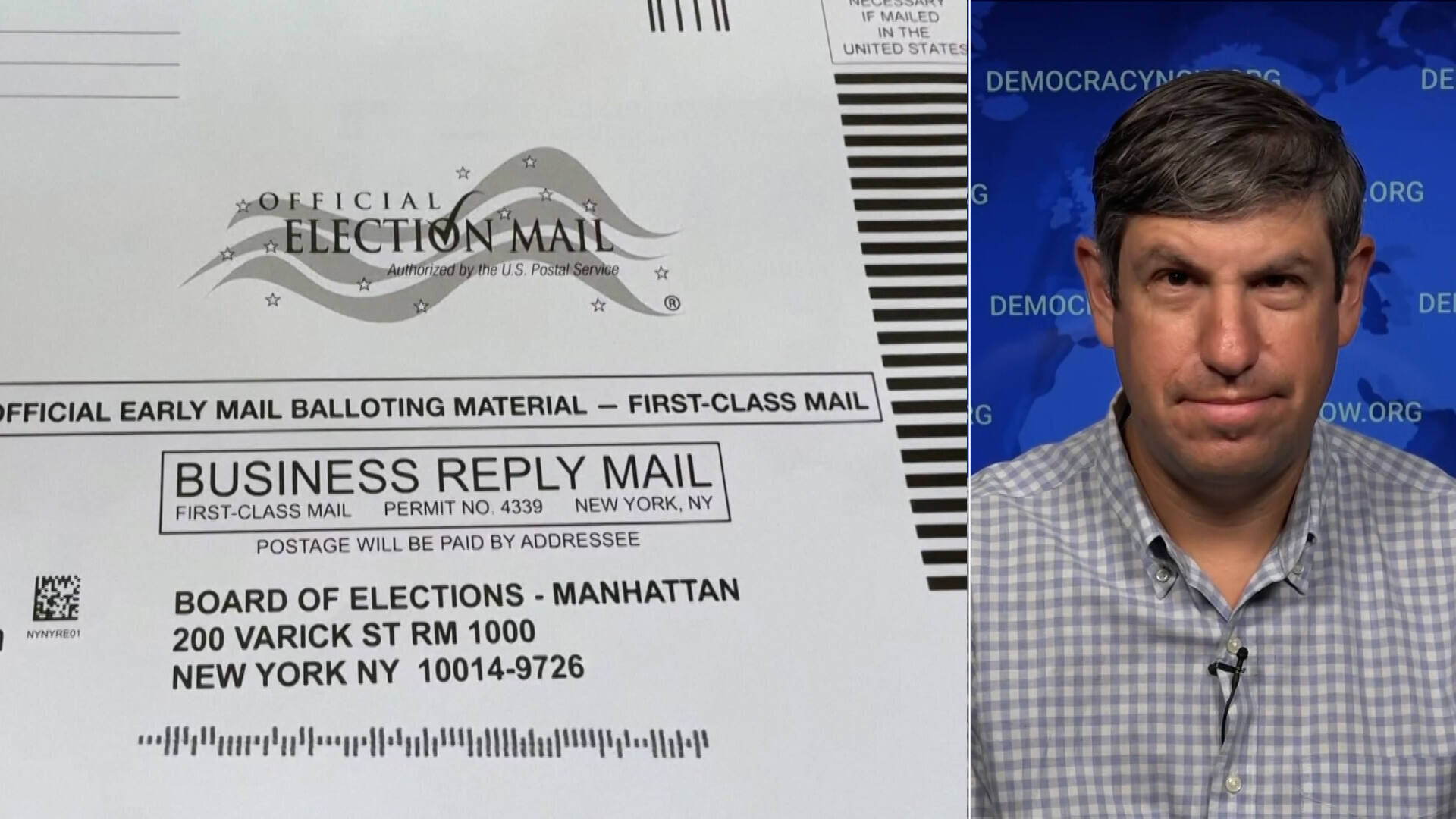
Supreme Court Allows Trump’s Mail-In Voting Restrictions to Proceed: What It Means for Midterms
The Supreme Court’s 6-3 decision lifts an injunction on Trump’s executive order restricting mail-in voting, raising concerns over potential voter disenfranchisement ahead of the midterm elections.
 Politics
Robert Reich Warns Most Americans Are Getting Poorer Despite Stock Market Highs
Economist Robert Reich criticizes Treasury Secretary Scott Bessent's dismissal of the K-shaped economy, arguing wage stagnation and inflation are worsening inequality.
 Politics
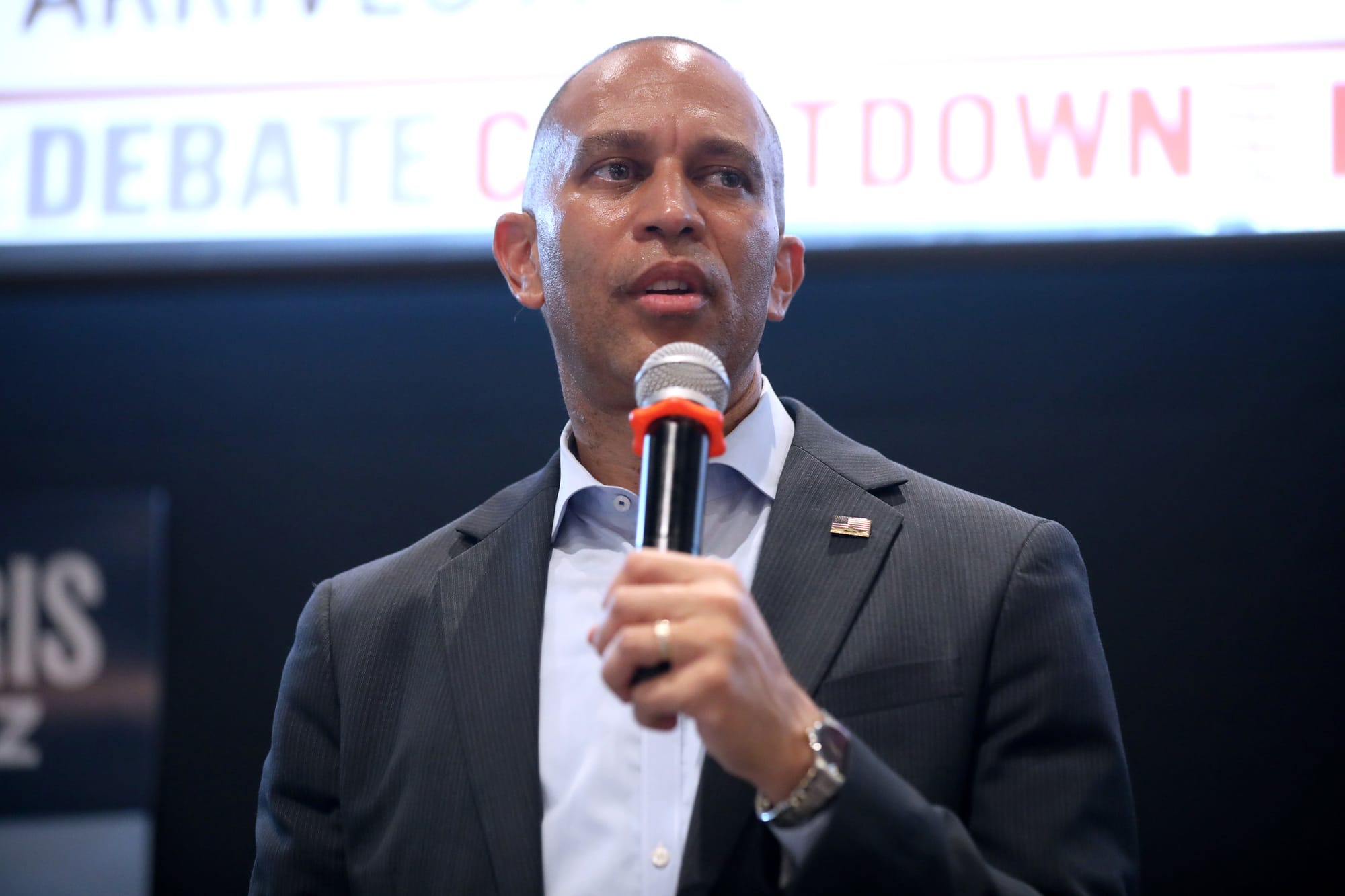
Jeffries Blocks $3.3B Israel Aid Cut After Record AIPAC Earmark
House Minority Leader Hakeem Jeffries opposed a $3.3B cut to U.S. military aid for Israel after receiving a record $149k earmark from AIPAC PAC’s billionaire donor, Daniel Och.
 Politics
Tech Giants Donate $2M+ to AG Groups Amid AI Regulation Lawsuits
Major AI firms including OpenAI, Google, and Meta have donated over $2 million to Democratic and Republican attorneys general groups in 2025-26 as state AGs escalate lawsuits alleging harms to children and deceptive AI safety claims.
Most Read

Arunachal CM Unveils Vision 2036 for Youth Skill & Entrepreneurship Growth

KPop Demon Hunters Joins Criterion Collection: Why the Animated Hit Stands Out
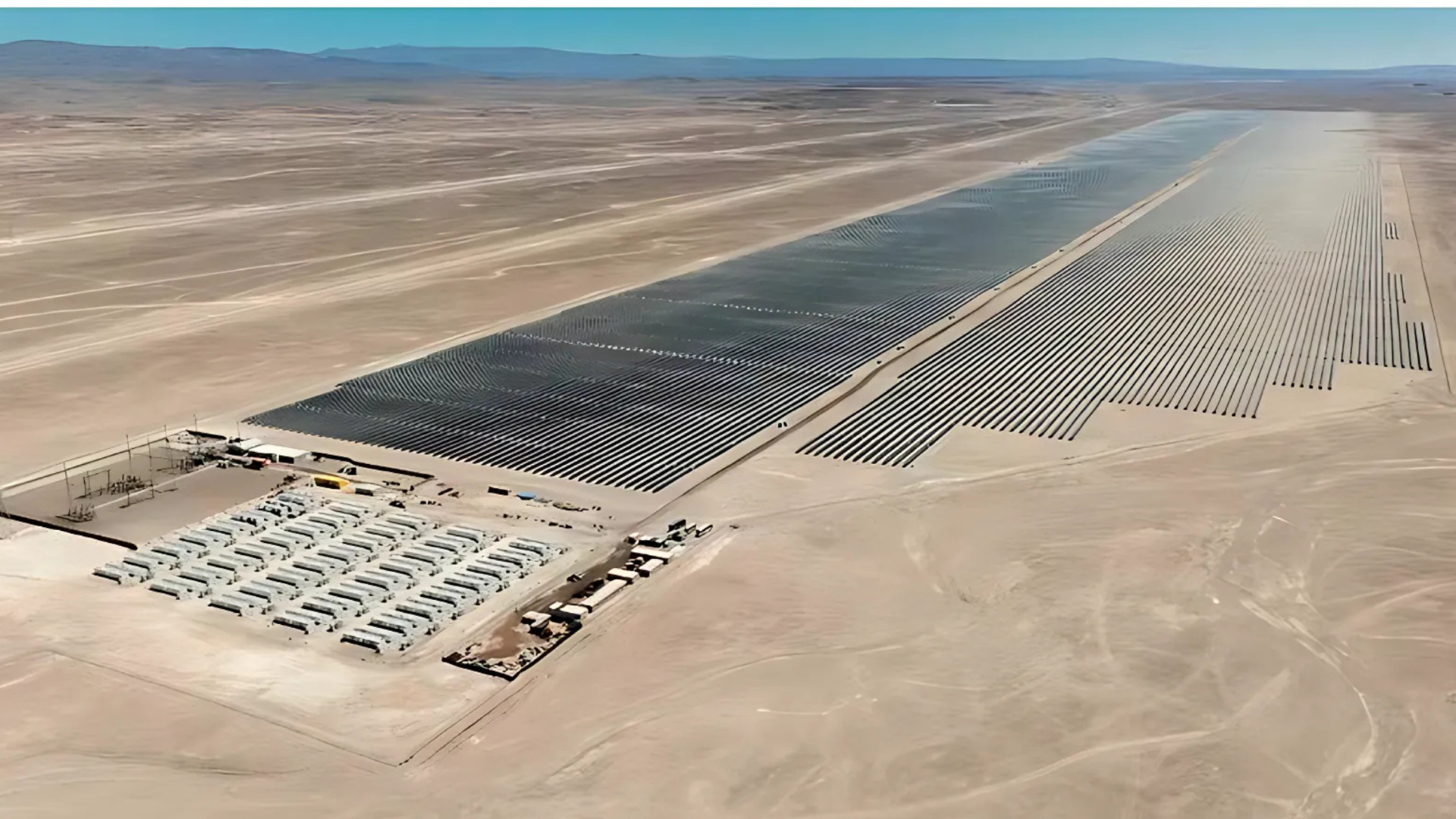
Global renewable energy investments hit $327.5B in H1 2026, solar-plus-storage surges
Supreme Court Allows Trump’s Mail-In Voting Restrictions to Proceed: What It Means for Midterms
