Nigel Farage and Prince Harry: A Study in Public vs Private Fame
Prince Harry's security funding and public-private fame dilemma mirror Nigel Farage's divisive profile, raising questions about state-funded protection.
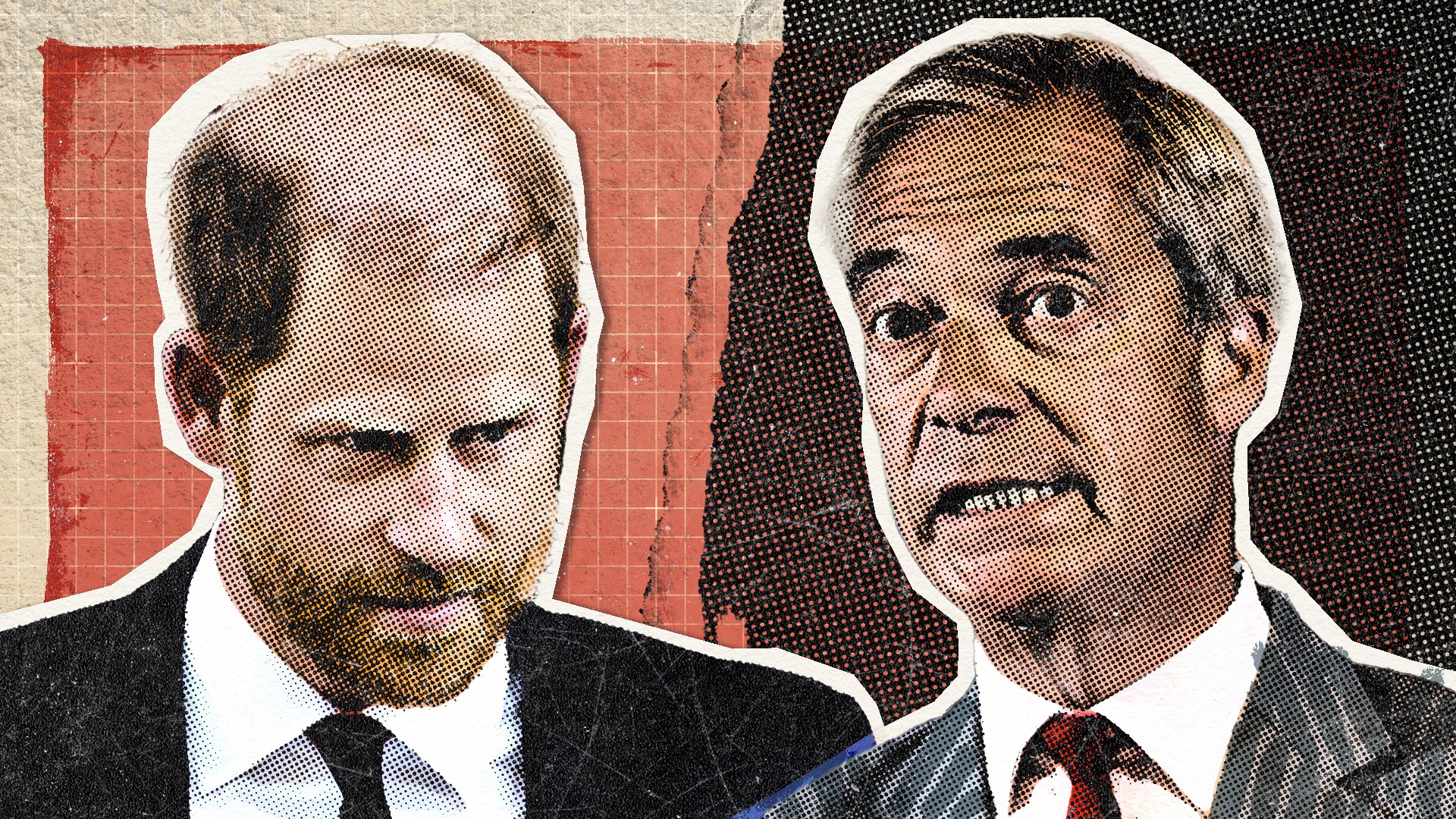
Prince Harry’s return to Britain has reignited debate over public versus private identities and state-funded security, drawing comparisons to Nigel Farage’s ongoing disputes over similar issues.
The Duke of Sussex is reportedly relocating back to the UK with Meghan, Duchess of Sussex, amid ongoing speculation about their motivations and royal relations. Reports suggest the move may be temporary, with Prince William reportedly unaware of the decision until late notice. The couple’s relationship with the monarchy remains strained, with Harry’s public disputes with the tabloid press and unpaid legal fees to *The Mail on Sunday* continuing to fuel discussion.
A key point of contention is Harry’s claim for publicly funded security. In the UK, former prime ministers and high-profile public figures are entitled to state security, but the Sussexes stepped back as working royals in 2020, relinquishing official duties and public funding. The Royal and VIP Executive Committee (RaVEC), which oversees security for public figures, has ruled that Harry would not receive taxpayer-funded protection, even if he reimbursed the cost—a decision aligned with the status of private individuals.
This debate mirrors discussions around Nigel Farage, leader of Reform UK, who has argued that his public role exposes him to significant risk, warranting increased state-funded security. Farage has pointed to a £5 million donation linked to a parliamentary standards investigation, claiming it was intended to offset unmet security costs. The discussion intensified following the murder of Reform UK’s migration spokeswoman, Ann Widdecombe, at her home.
Unlike Farage, who blends political advocacy with media appearances, Harry’s status straddles the line between royal duty and celebrity. While working royals like the Prince and Princess of Wales maintain a carefully curated public image—avoiding commercial endorsements and personal branding—the Sussexes pursued a different path. Their attempt to trademark “Sussex Royal” and launch a lifestyle brand was blocked by Buckingham Palace, reinforcing their transition to private life.
The couple’s 2020 decision to step back as senior royals was framed as a quest for privacy, yet their continued public activism—including Harry’s interviews and Meghan’s media ventures—has kept them in the spotlight. This contradiction was evident early in their relationship: Harry’s controversial decisions, from dressing as a Nazi at a party to discussing combat operations in interviews, clashed with royal expectations of discretion.
Meghan’s background in entertainment and American celebrity culture may have contributed to her misunderstanding of the symbolic role of the monarchy. While the public initially welcomed her as a modern, diverse addition to the royal family, her and Harry’s approach to fame—leveraging their titles for personal branding—alienated many.
Today, the Sussexes’ desire for privacy competes with their continued use of royal titles in public discourse. Their situation highlights a broader tension: how public figures transition from official roles to private life, and what obligations—financial, legal, or otherwise—they retain.
#PrinceHarry #MeghanMarkle #MonarchyUK #NigelFarage #RoyalFamily #Megxit #UKSecurity #ReformUK
Comments (0)
No comments yet — be the first to weigh in.
Related Coverage
 Politics
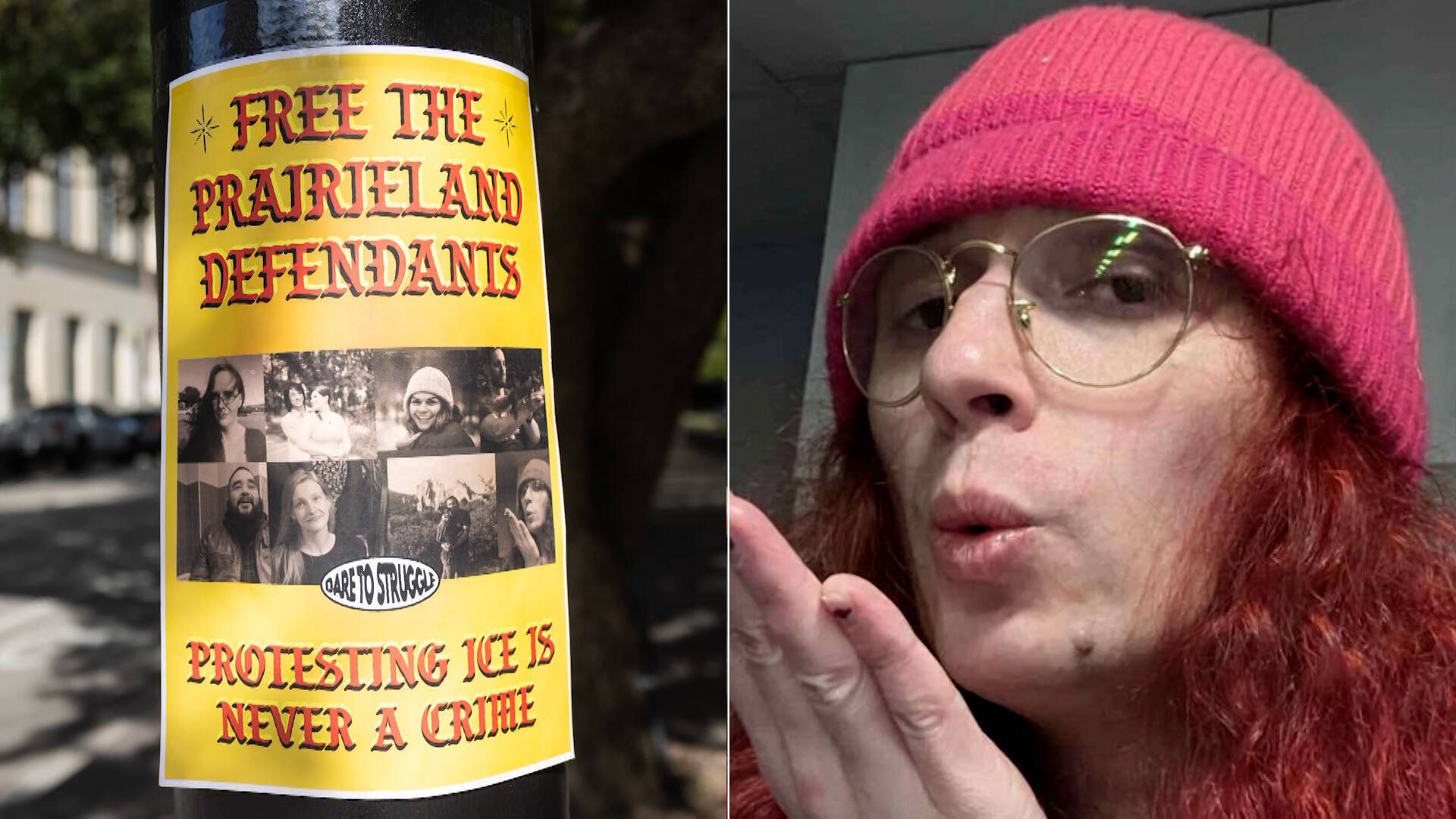
Autumn Hill Sentenced to 50 Years in Prison for Anti-ICE Protest: A Case of Political Persecution?
Activist Autumn Hill received a 50-year prison sentence for protesting outside a Texas ICE facility. Critics call her conviction a politically motivated use of terrorism charges against anti-fascist demonstrators.
 Politics
Headlines for August 26, 2026
Iran has resumed talks with Oman about managing the Strait of Hormuz while tensions in the region remain high, despite economic pressure from the United States....
 Politics
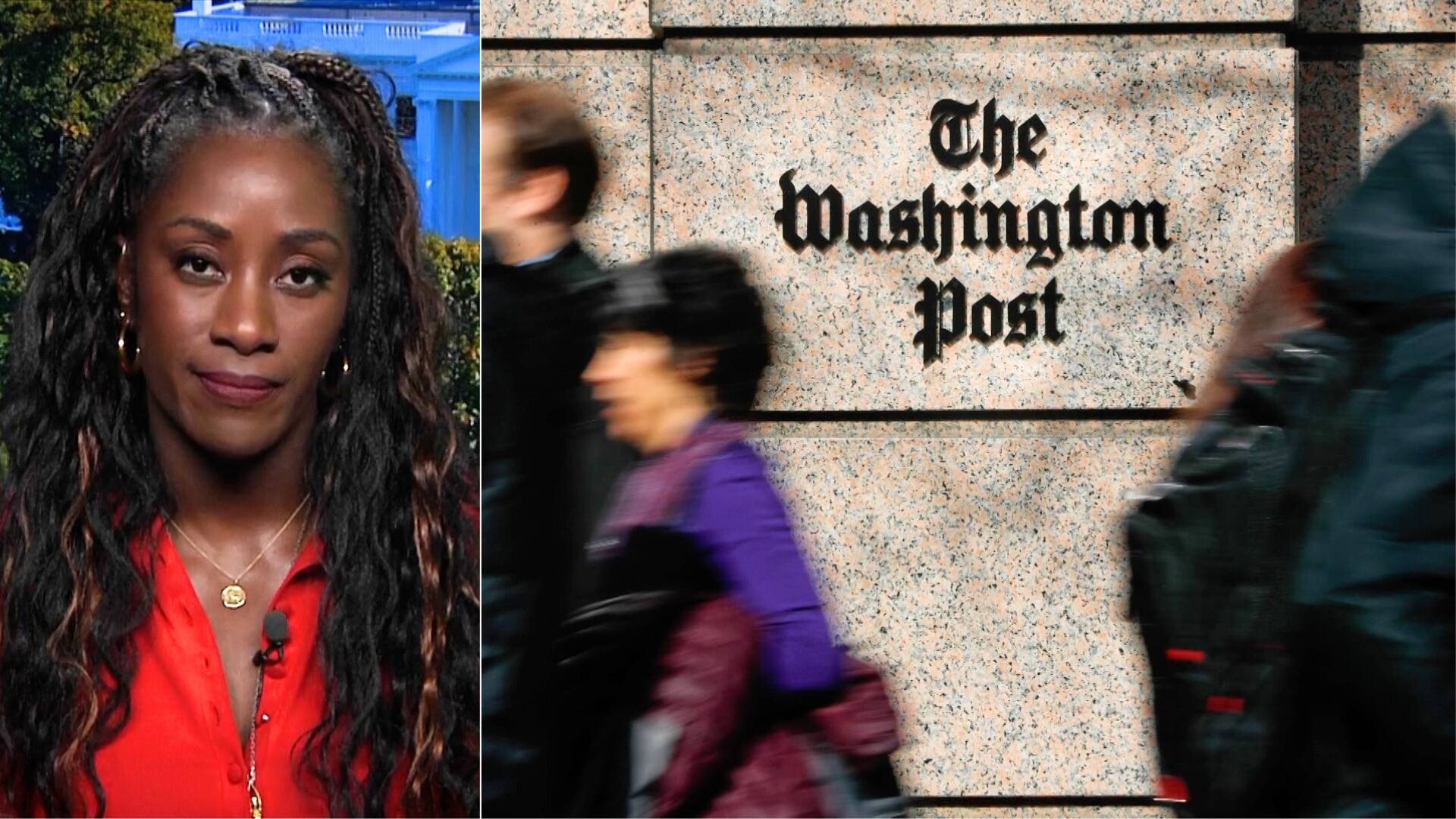
Karen Attiah Wins Reinstatement at Washington Post After Arbitration Victory
Award-winning Washington Post columnist Karen Attiah has been reinstated with back pay after an arbitrator ruled in her favor following her controversial firing over social media posts about Charlie Kirk.
 Politics
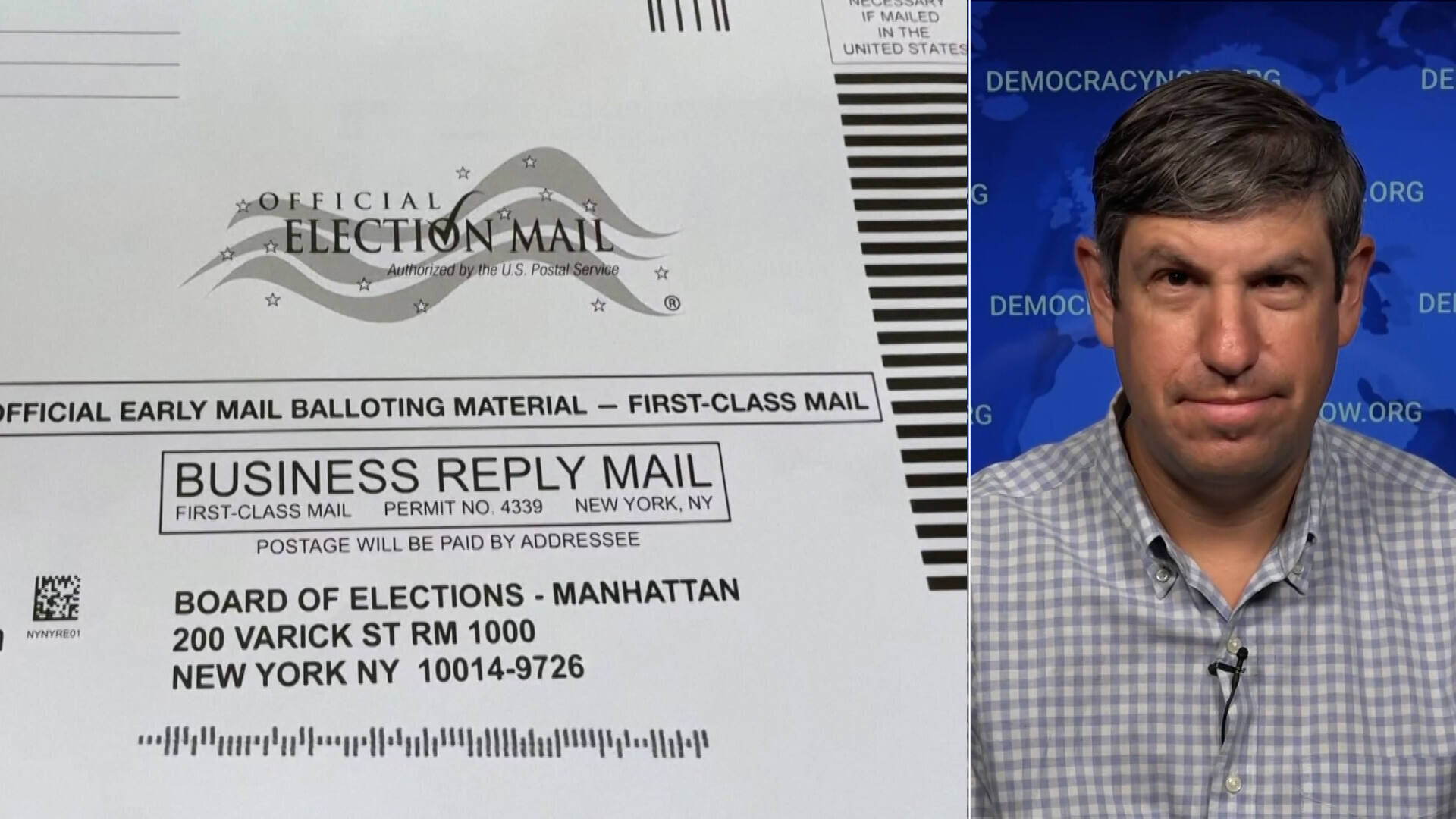
Supreme Court Allows Trump’s Mail-In Voting Restrictions to Proceed: What It Means for Midterms
The Supreme Court’s 6-3 decision lifts an injunction on Trump’s executive order restricting mail-in voting, raising concerns over potential voter disenfranchisement ahead of the midterm elections.
Most Read
Autumn Hill Sentenced to 50 Years in Prison for Anti-ICE Protest: A Case of Political Persecution?

Hull City Secure 1-0 Away Win at Coventry, Maintain Perfect Premier League Start

DSM-6 to Integrate Biology in Mental Health Diagnosis for First Time

Russian Drone Strike on Kiev Ammo Depot Kills 37, Sparks Evacuations
