Nicaragua Bars 2018 Coup Leaders from 2027 Elections, Sparking Outcry
Nicaragua's President Daniel Ortega announces a ban on 2018 coup supporters in 2027 elections, drawing condemnation from US officials and corporate media amid claims of authoritarianism.

Nicaragua's President Daniel Ortega announced on July 19 that individuals who promoted the violent anti-government insurrection in 2018 will be barred from running in the 2027 elections. This declaration, made during the national celebration of the Sandinista Revolution's victory in 1979, was widely misrepresented by Western media outlets as an abolition of elections altogether.
President Ortega, in his annual address marking the Sandinista Revolution's triumph, emphasized the need to prevent future attempts to "cheat their way to government." He stated, "There will be no elections like that again here – no more elections through which they can try cheating their way to government or cheat their way to taking power." He proposed legislation to create a barrier against "coup-plotters" and "traitors to their country."
Despite the clear context, major Western media outlets such as The New York Times and Bloomberg misconstrued Ortega's remarks. The New York Times published a headline suggesting Ortega planned to abolish elections, while Bloomberg accused Nicaragua's government of dictatorship. These outlets sought commentary not from Nicaraguan officials but from opposition figures like Felix Maradiaga and Juan Sebastián Chamorro, both of whom have been linked to the 2018 coup attempt and receive funding from U.S. government-backed organizations such as the National Endowment for Democracy (NED).
Maradiaga, described as a "presidential hopeful" by Reuters, has received at least $260,000 from the NED since 2014. Chamorro, who advocated for roadblocks during the 2018 unrest, has also been a recipient of U.S. regime-change funding. The NED currently spends over $2 million annually on Nicaraguan opposition groups, the highest funding level for any country in the region.
Public opinion in Nicaragua does not reflect the Western media's portrayal. Polls conducted by Argentina’s CB Global Data in 2026 indicated that the Sandinista government maintains significant popular support, with approval ratings ranging from 40% to 60%. This support is attributed to improvements in public health, infrastructure, and housing under Sandinista rule.
Meanwhile, U.S. political figures, including Senator Marco Rubio, have condemned Nicaragua's electoral plans. Rubio stated, "The Trump Administration and the international community will not stand by as the Murillo-Ortega dictatorship deepens repression at home and manufactures instability that threatens U.S. national security." However, critics like Manuel Orozco of the Inter-American Dialogue have acknowledged the lack of viable opposition in Nicaragua.
Nicaragua has already faced economic measures from the U.S., including tariffs and sanctions. The government has reiterated its commitment to holding elections in 2027, with the National Assembly president affirming that elections will proceed, albeit without those involved in previous coup attempts. The situation highlights ongoing tensions between Nicaragua and U.S.-backed opposition groups, as well as the broader geopolitical dynamics in the region.
Comments (0)
No comments yet — be the first to weigh in.
Related Coverage
 Politics
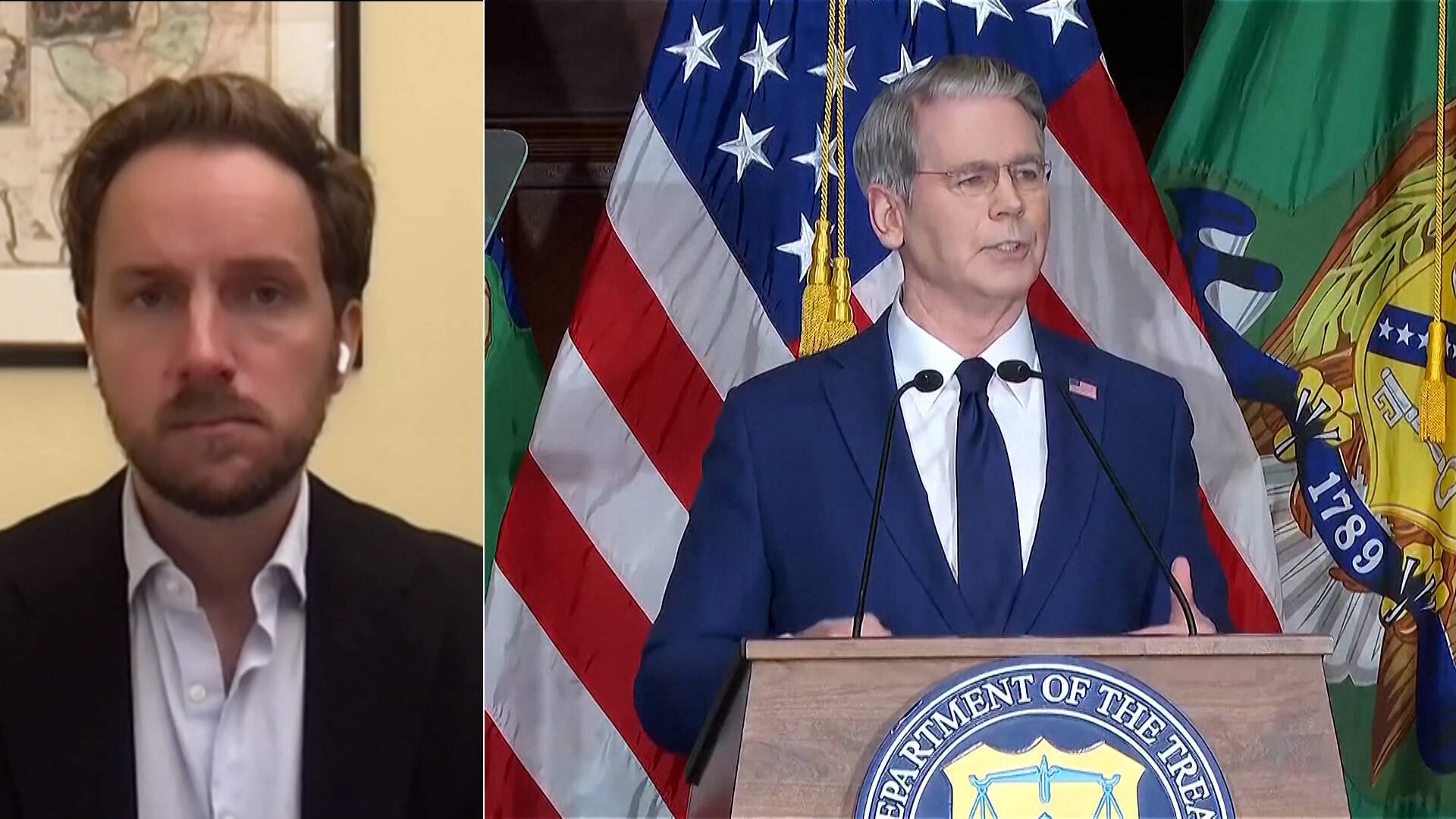
US Threatens New Iran Sanctions Targeting China and Allies: Analysis
The US administration announced plans to expand Iran sanctions, risking tensions with China and other top trading partners. Experts warn of limited impact on Iran and potential global financial consequences.
 Politics
Illinois Is a Sanctuary State, But Cops & Prosecutors Still Secretly Work with ICE: Injustice Watch
Illinois, known as a sanctuary state under the TRUST Act, has seen local law enforcement and prosecutors secretly collaborate with U.S. Immigration and Customs...
 Politics
Autumn Hill Sentenced to 50 Years in Prison for Anti-ICE Protest: A Case of Political Persecution?
Activist Autumn Hill received a 50-year prison sentence for protesting outside a Texas ICE facility. Critics call her conviction a politically motivated use of terrorism charges against anti-fascist demonstrators.
 Politics
Headlines for August 26, 2026
Iran has resumed talks with Oman about managing the Strait of Hormuz while tensions in the region remain high, despite economic pressure from the United States....
Most Read

Tottenham Hotspur sign Omar Marmoush on loan from Man City with permanent deal option

Nepal Flash Floods Death Toll Rises to 626, Over 2,400 Missing
Nicole Rifkin’s New Yorker Cover Honors Dolly Parton’s Legacy
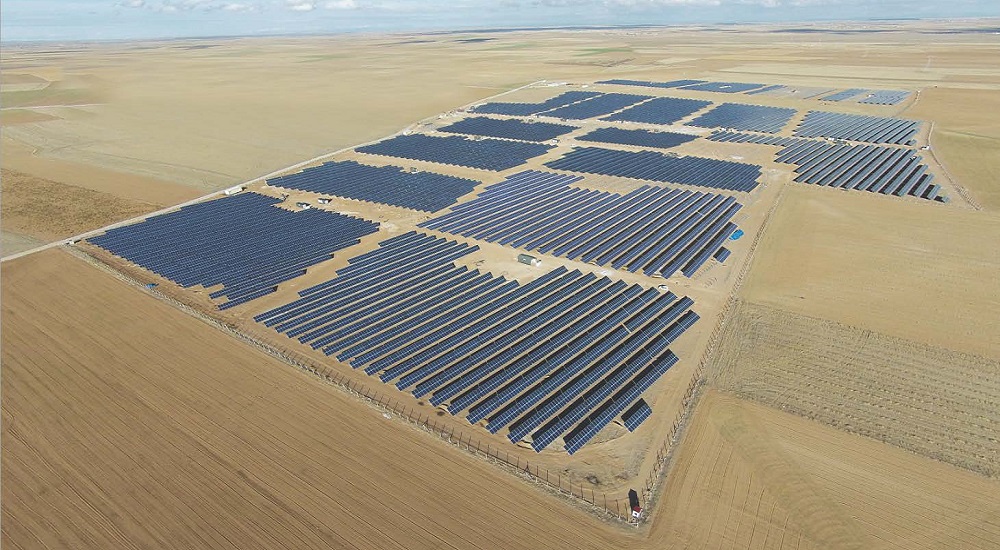
Machine Learning Boosts Irradiance Prediction for Bifacial Solar Panels