Meta Settles for $17.1B Over Child Privacy Claims, Sparks Debate on Tech Liability
Meta agreed to pay $17.1 billion and impose limits on teen use after states sued for child‑privacy violations. The settlement raises questions about tech liability, Section 230, and the role of research such as Jonathan Haidt’s.
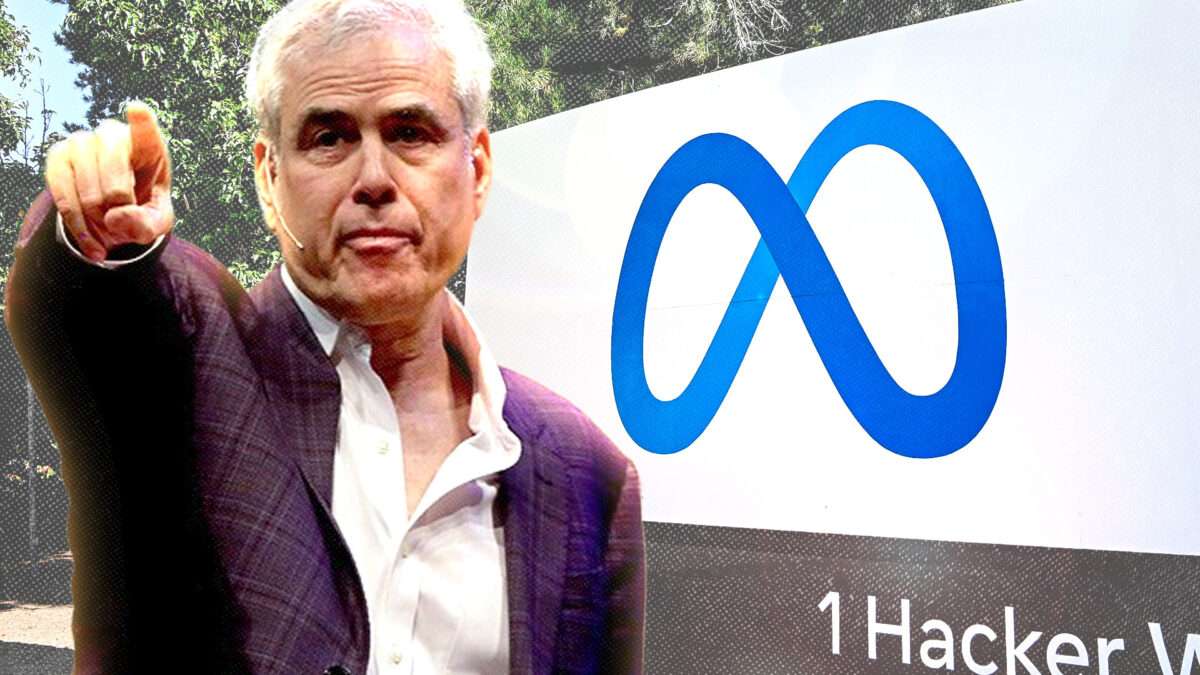
Meta, the parent company of Facebook and Instagram, has agreed to a $17.1 billion settlement with 47 states and the District of Columbia, resolving allegations of child endangerment linked to its social media platforms and algorithms. The settlement, announced on Wednesday, addresses claims that Meta violated federal child privacy laws and state consumer protection statutes.
Under the terms of the agreement, Meta will limit the time teenagers can spend on its platforms and restrict features designed to exacerbate mental health issues among young users. This settlement concludes a significant federal trial in the U.S. Northern District of California, where California, Colorado, Kentucky, and New Jersey had sought approximately $200 billion in damages. Meta had previously invoked Section 230 of the Communications Decency Act, which shields online platforms from liability for user-generated content, a defense Reason Magazine has previously supported.
State prosecutors, in this case, argued that Meta's product design, rather than user-generated content, contributed to harm among children. They claimed that features such as photo filters, like counts, notifications, and algorithmically curated content feeds were designed to manipulate users psychologically, keeping them engaged for extended periods. Critics, including Reason's Elizabeth Nolan Brown, have dismissed these claims as unfounded. "It's a silly claim," Brown wrote, "since clearly there could be no 'addiction' to social media if not for the content or communications contained on these platforms."
The legal strategy employed in this case aligns closely with arguments presented in Jonathan Haidt's book, *The Anxious Generation*, which has gained significant mainstream attention. Haidt met with several attorneys general to brief them on his research, which suggests that digital technologies have contributed to a cultural shift leading to increased mental health issues among young people. "We're now seeing the dark side of digital technologies in a way that makes it possible for a cultural rejection, a cultural awakening that we can't live this way," Haidt told *The New York Times*.
Despite the settlement's focus on child safety, critics argue that Meta's actions may disproportionately target competitors such as TikTok, Snapchat, and YouTube. The settlement includes a contingent payment structure, where Meta will pay additional billions if other platforms are brought into the settlement regime. Industry observers, including Adam Kovacevich, a tech messaging professional for Democrats, have suggested that Meta's settlement is less about child safety and more about using legal leverage to disadvantage rivals.
While some advocate for government intervention to curb teen social media use, others argue that parental and institutional responsibility should play a larger role. Haidt has emphasized the need for a cultural shift, noting that young adults express a preference for a world without platforms like TikTok or Instagram but feel compelled to use them due to social pressure. This collective action problem highlights the challenges families face in regulating social media use when broader societal norms are not aligned with such restrictions.
Comments (0)
No comments yet — be the first to weigh in.
Related Coverage
 Politics
Autumn Hill Sentenced to 50 Years in Prison for Anti-ICE Protest: A Case of Political Persecution?
Activist Autumn Hill received a 50-year prison sentence for protesting outside a Texas ICE facility. Critics call her conviction a politically motivated use of terrorism charges against anti-fascist demonstrators.
 Politics
Headlines for August 26, 2026
Iran has resumed talks with Oman about managing the Strait of Hormuz while tensions in the region remain high, despite economic pressure from the United States....
 Politics
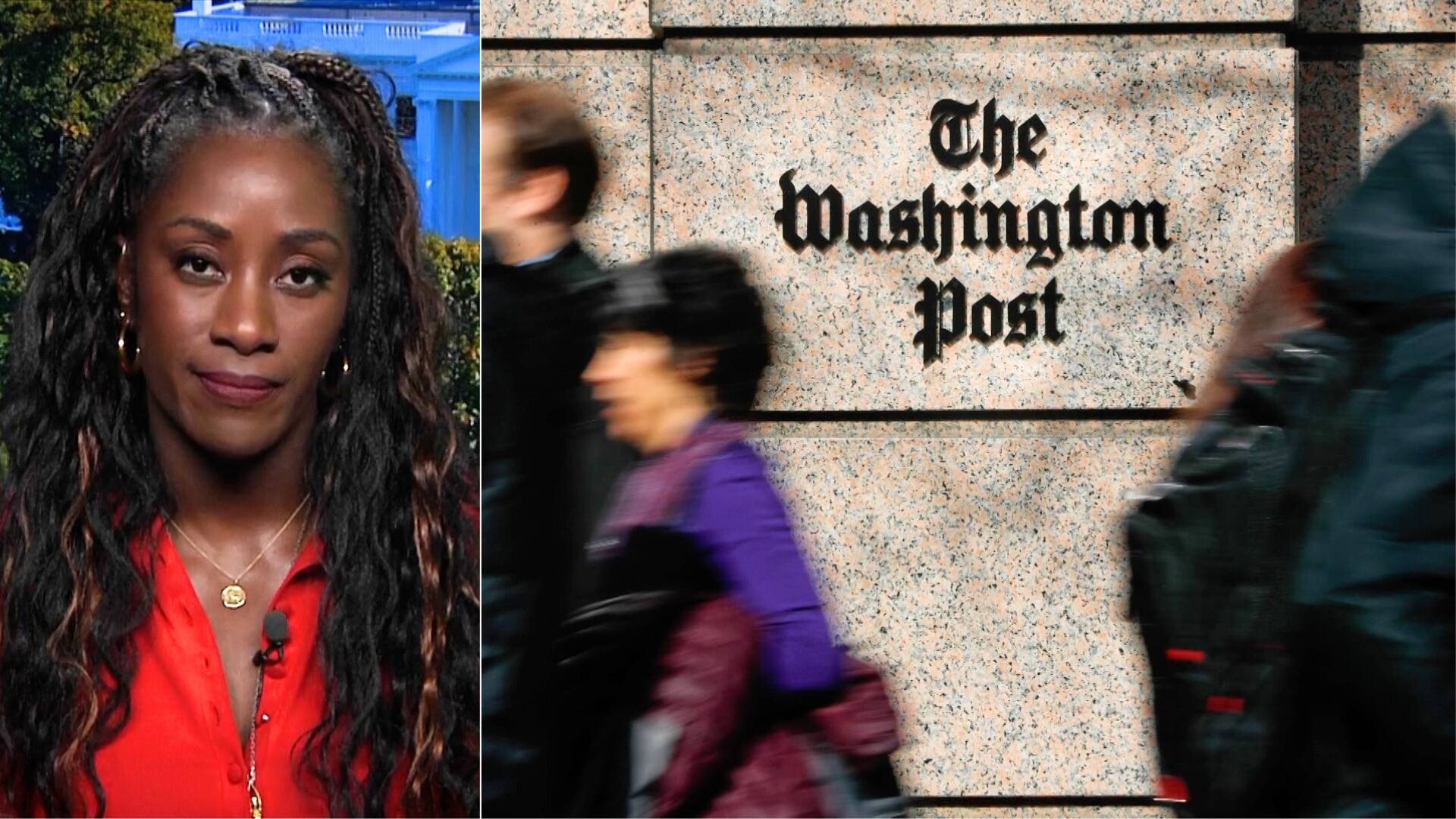
Karen Attiah Wins Reinstatement at Washington Post After Arbitration Victory
Award-winning Washington Post columnist Karen Attiah has been reinstated with back pay after an arbitrator ruled in her favor following her controversial firing over social media posts about Charlie Kirk.
 Politics
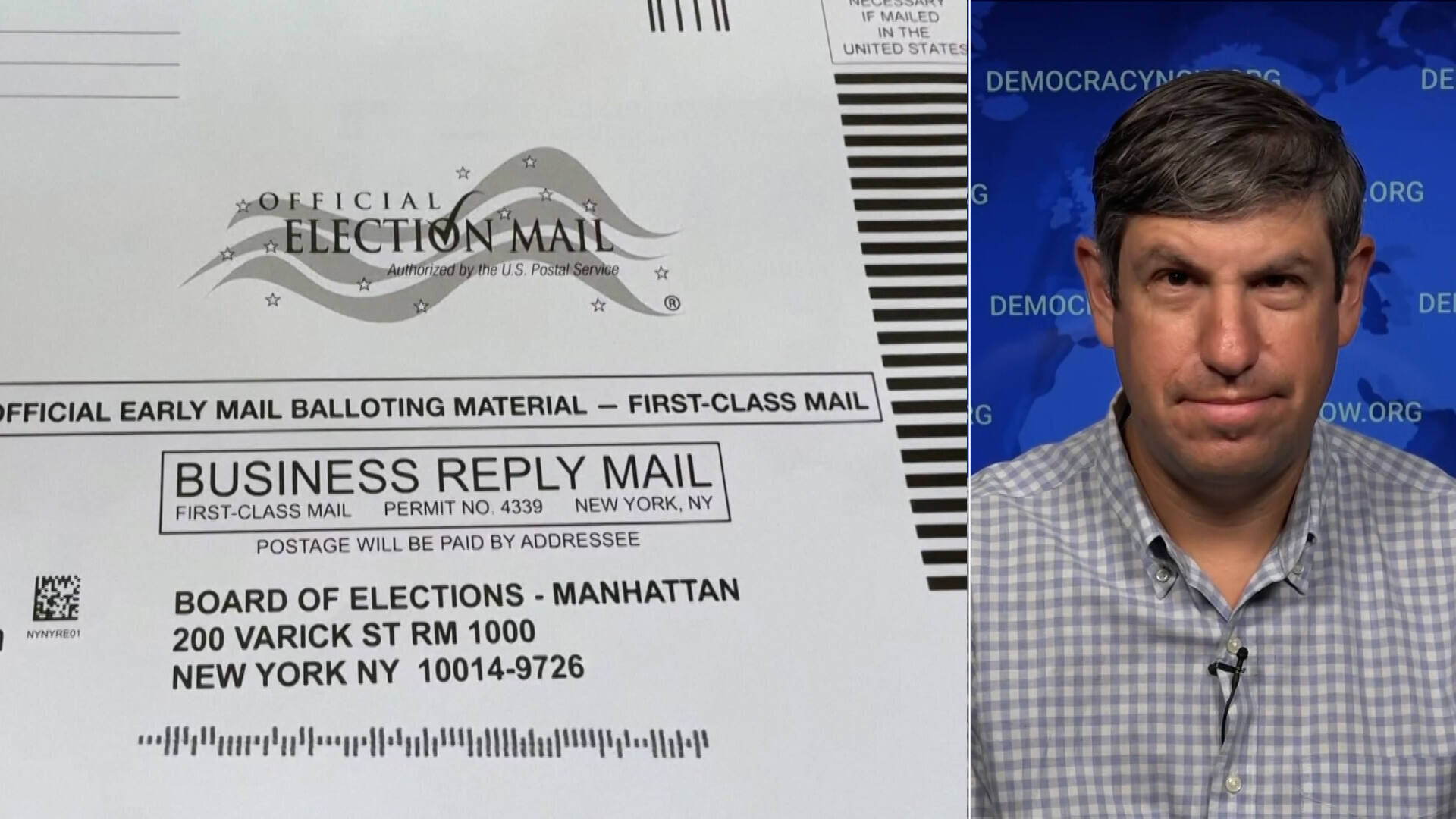
Supreme Court Allows Trump’s Mail-In Voting Restrictions to Proceed: What It Means for Midterms
The Supreme Court’s 6-3 decision lifts an injunction on Trump’s executive order restricting mail-in voting, raising concerns over potential voter disenfranchisement ahead of the midterm elections.
Most Read
Autumn Hill Sentenced to 50 Years in Prison for Anti-ICE Protest: A Case of Political Persecution?

Hull City Secure 1-0 Away Win at Coventry, Maintain Perfect Premier League Start

DSM-6 to Integrate Biology in Mental Health Diagnosis for First Time

Russian Drone Strike on Kiev Ammo Depot Kills 37, Sparks Evacuations
