Lindsay Clancy Case Highlights Pro-Life's 'Second Victim' Controversy
The Lindsay Clancy case raises questions about the 'second victim' narrative in the pro-life movement, where maternal accountability is often minimized despite child deaths.

Three children are dead after being killed by their mother in what authorities are calling a criminal act. Lindsay Clancy of Massachusetts was charged last week with three counts of murder following the deaths of her six-year-old son, four-year-old son, and seven-month-old daughter. The children were found unresponsive on January 24 and later pronounced dead at a local hospital. Clancy remains hospitalized under psychiatric evaluation after an apparent self-inflicted injury.
The case has drawn intense public attention and a wave of financial and emotional support for Clancy. More than 31,000 donors have contributed over $1 million to a fund supporting her legal and living expenses, while hundreds of supporters have gathered outside the courthouse wearing pink. Public sympathy has largely focused on Clancy’s apparent mental health struggles, with many framing her as a victim rather than the perpetrator of a violent crime.
Legal experts caution that the case is still under investigation and no conclusions should be drawn before all evidence is reviewed. Massachusetts law requires that criminal responsibility be established through due process, and Clancy’s defense team has not yet entered a plea. The district attorney’s office has not indicated whether additional charges, including manslaughter or assault, may be filed.
The public reaction to Clancy’s case has reignited debate over the concept of the “second victim,” a term used in abortion discourse to describe women believed to be victimized by abortion. Some pro-life organizations have historically argued that women who undergo abortions—whether by medical or surgical means—should not be held legally or morally accountable, instead positioning them as secondary victims alongside the aborted child. Critics argue this framework removes agency from the mother and shifts blame to external factors such as doctors, systems, or circumstances.
This same logic appears to be influencing public perception in Clancy’s case, where supporters are emphasizing her mental health over accountability for her children’s deaths. The phenomenon has led to questions about whether a form of ideological consistency exists between certain pro-life advocacy and broader cultural trends that prioritize empathy and systemic analysis over individual moral responsibility.
Legal scholars note that while mental health considerations may play a role in sentencing or defense strategy, they do not negate the fact that three children were intentionally killed. Prosecutors are expected to pursue charges based on evidence, and any claims of diminished capacity will be evaluated by the court, not by public sentiment.
The case also highlights broader tensions within the pro-life movement. Some advocates argue that the focus should remain on protecting unborn children while others emphasize systemic factors such as healthcare access and mental health support. The Clancy case has intensified these divisions, with some critics accusing major pro-life organizations of promoting a narrative that prioritizes the mother’s perceived victimhood over justice for the children.
As the investigation continues, legal and community leaders have urged restraint in public commentary. They emphasize the need for a fair and thorough legal process before any conclusions are drawn about Clancy’s mental state or criminal responsibility. The children’s deaths remain the central tragedy, and authorities have asked the public to respect the grieving process of the family while allowing the justice system to proceed without undue influence.
Comments (0)
No comments yet — be the first to weigh in.
Related Coverage
 Politics
Headlines for August 26, 2026
Iran has resumed talks with Oman about managing the Strait of Hormuz while tensions in the region remain high, despite economic pressure from the United States....
 Politics
Karen Attiah Wins Reinstatement at Washington Post After Arbitration Victory
Award-winning Washington Post columnist Karen Attiah has been reinstated with back pay after an arbitrator ruled in her favor following her controversial firing over social media posts about Charlie Kirk.
 Politics
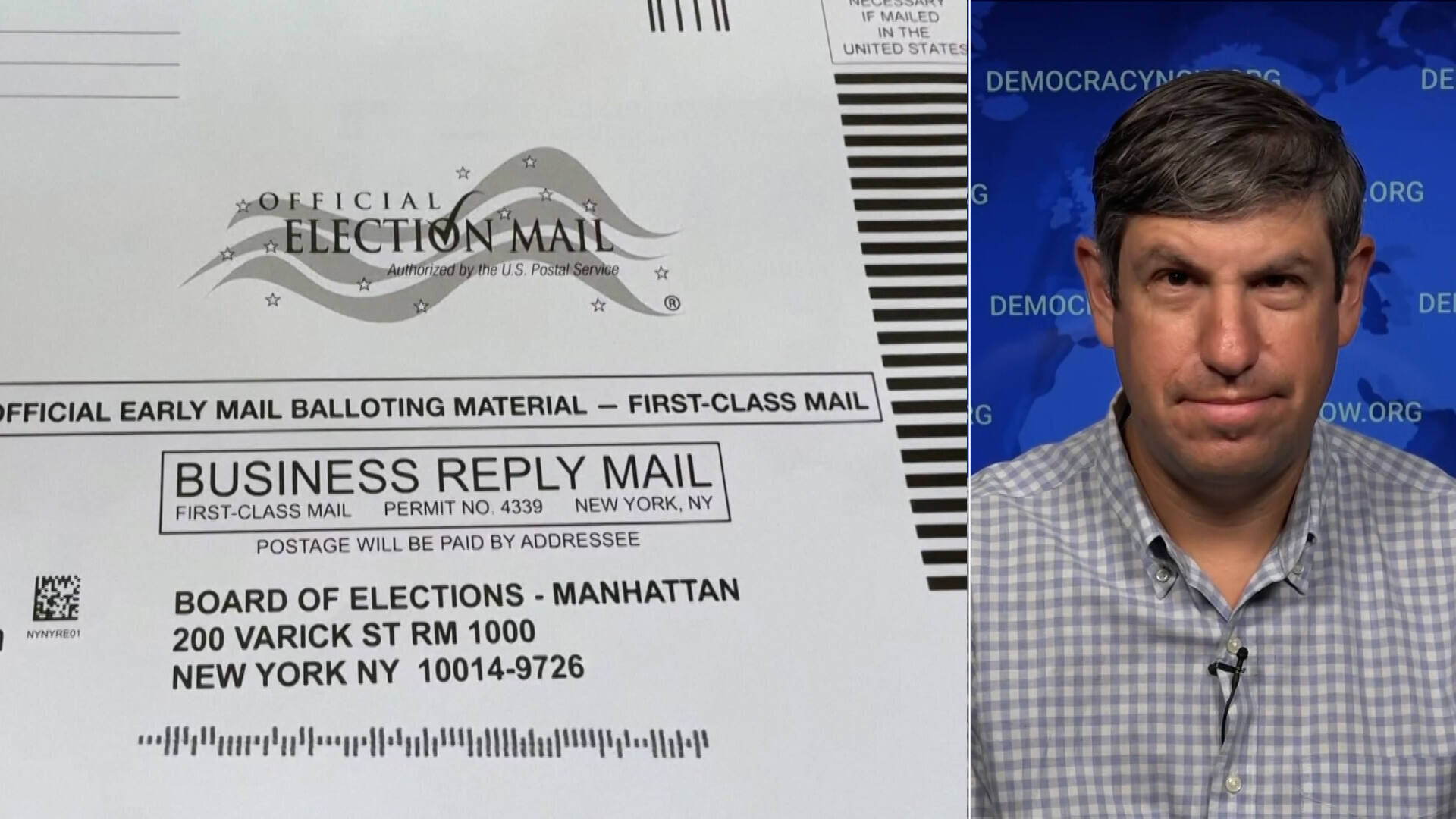
Supreme Court Allows Trump’s Mail-In Voting Restrictions to Proceed: What It Means for Midterms
The Supreme Court’s 6-3 decision lifts an injunction on Trump’s executive order restricting mail-in voting, raising concerns over potential voter disenfranchisement ahead of the midterm elections.
 Politics
Robert Reich Warns Most Americans Are Getting Poorer Despite Stock Market Highs
Economist Robert Reich criticizes Treasury Secretary Scott Bessent's dismissal of the K-shaped economy, arguing wage stagnation and inflation are worsening inequality.
Most Read

Russian Drone Strike on Kiev Ammo Depot Kills 37, Sparks Evacuations

At least 37 dead and hundreds evacuated after strike on Kyiv warehouse
Ian Frazier and Samy Burch Discuss 'Coyote vs. Acme' in The New Yorker

Latin America Energy Storage Forecast Jumps to 34 GW by 2035: Wood Mackenzie