Growing up in gardens: Tradition resprouts in Chicago skyscrapers
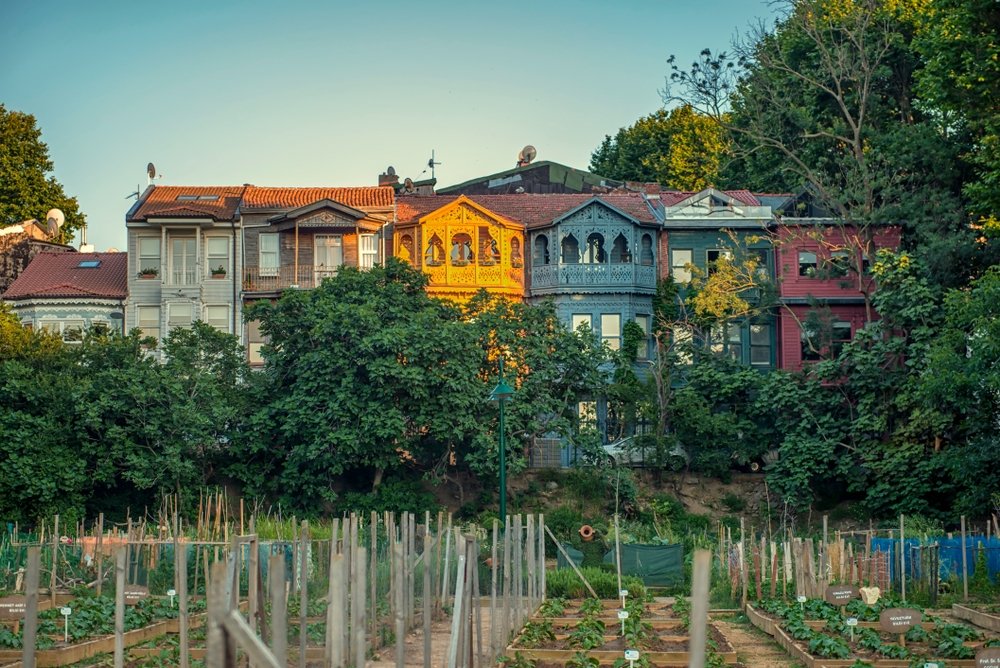
From the shaded bostans of Istanbul’s old city to the empty floors of downtown Chicago skyscrapers, a quiet revival of urban agriculture is taking root. In Istanbul’s historic neighborhoods like Fatih, Üsküdar, and Yedikule, the centuries-old tradition of *bostans*—small communal gardens—once supplied fresh produce to residents long before supermarkets existed. Today, a similar transformation is unfolding in Chicago, where vacant office space is being repurposed into vertical farms, echoing the Ottoman-era principle of integrating nature into urban life.
In Chicago’s Loop, a district known for its towering office buildings, the COVID-19 pandemic left many skyscrapers half-empty. Yet, on the 18th floor of a tower at 30 N. LaSalle St., Farm Zero is cultivating microgreens, herbs, and leafy greens under LED lights. Founded by Russell Steinberg, a former insurance advisor who shifted his focus to food systems after noticing the fragility of global supply chains, the operation leverages the existing infrastructure of the building—water lines, HVAC systems, and electrical capacity—to grow produce within hours of harvest. The greens are supplied to nearby hospitals, corporate dining programs, and restaurants, reducing transportation emissions and ensuring freshness.
The contrast between the open-air bostans of Istanbul and the high-tech indoor farm in Chicago might seem stark, but both reflect a shared principle: cities should produce their own food rather than rely solely on distant farms. Steinberg’s journey began with a simple frustration—a friend’s complaint about a rotten bell pepper—leading him to explore global food systems before settling on repurposing unused office space. The idea gained traction when his collaborator, developer Lee Golub, posed a critical question: *What happens to the obsolete office towers dotting Chicago’s skyline?* The answer was Farm Zero, which now serves as a model for adaptive reuse in urban centers.
However, vertical farming is not without challenges. Experts like urban planning scholar Kheir Al-Kodmany note that while the technology works, operational costs remain high, and production is largely limited to leafy greens and microgreens. Despite these limitations, the deeper significance lies in how cities adapt to structural changes. Steinberg envisions converting 50 million square feet of American office space into farms by 2050, a goal that underscores the need for resilience in urban planning.
The resurgence of urban agriculture, whether in Istanbul’s bostans or Chicago’s vertical farms, challenges the modern city’s reliance on distant supply chains. As the late architect Turgut Cansever argued, true urbanism harmonizes human life with nature, a principle both traditions embody. For Steinberg, the lesson is clear: cities must prepare for future disruptions—not by anticipating them perfectly, but by learning to repurpose what they already have.
#UrbanFarming #VerticalFarming #Chicago #Istanbul #FoodSecurity #SustainableCities #OfficeReuse #Bostans
Comments (0)
No comments yet — be the first to weigh in.

Omer Adam's Star-Studded Wedding Guest List Raises Eyebrows in Israel
Israeli singer Omer Adam's recent wedding in Italy featured a guest list with celebrities and controversial business figures, sparking media and crime watchdog interest.

Masked Israeli settlers attack NBC News crew in West Bank
Israeli settlers in the West Bank assaulted an NBC News team on Saturday, injuring the crew and preventing them from completing an interview with a Palestinian...

After weeks of attacks, Palestinian family evicted by order applying to nearby settlers; police say 'human error'
Israeli police forcibly evacuated the Palestinian Jabarin family from their home in al-Minya, a village near Bethlehem in the West Bank, on August 21 after week...

Israeli Teens Charged with Spying for Iran in Shopping Mall Surveillance Case
Two Israeli teenagers, aged 14 and 16, face charges of spying for Iran, including photographing shopping malls and recruiting others in a serious security breach.
Omer Adam's Star-Studded Wedding Guest List Raises Eyebrows in Israel
Mark Zuckerberg’s Social Media Reckoning: Examining Dark Motivations

Karnataka Cabinet Forms Panel to Review Criminal Case Withdrawals

Nicola Jennings on Donald Trump, fossil fuels and climate disaster – cartoon
