Global Defence Bank Gains Canadian Backing, Faces Uncertainty Over G7 Support
Canada leads a new €100B defence bank to fund allied rearmament, but G7 nations remain hesitant. Explore the bank's structure, funding challenges, and global security implications.
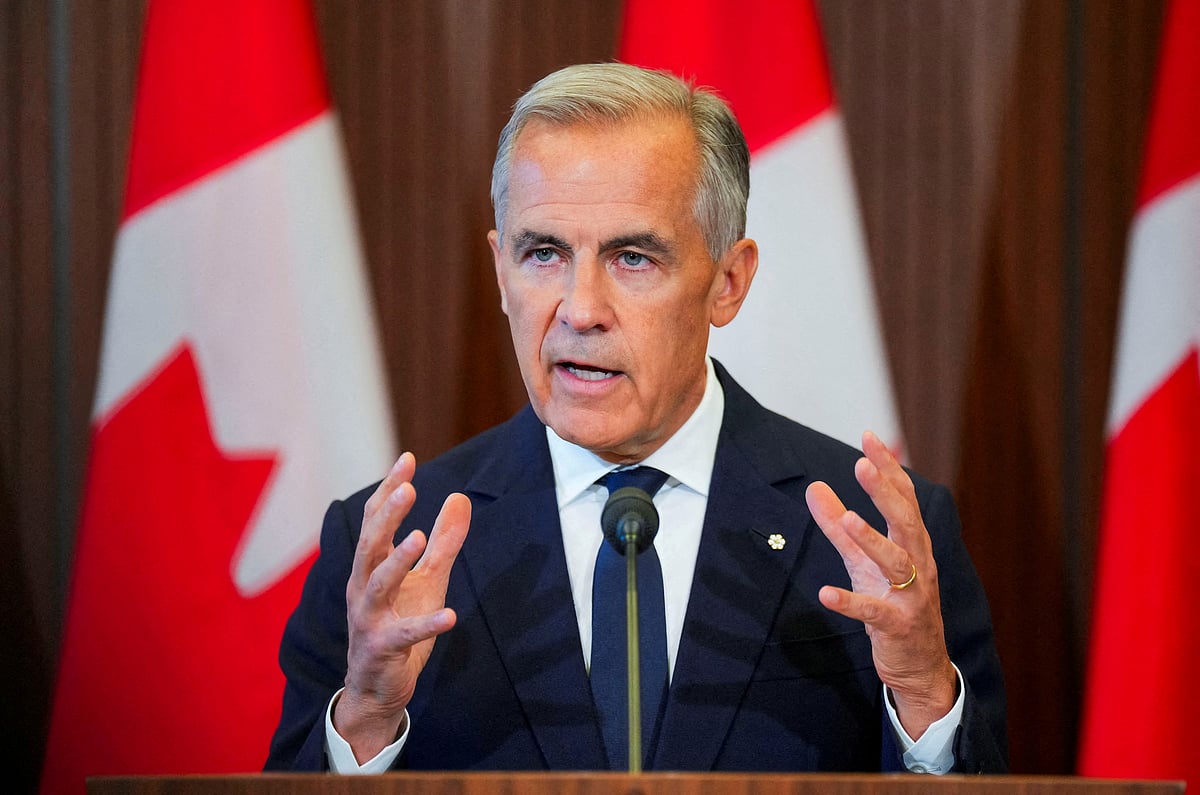
Canadian Prime Minister Mark Carney is rallying support for the Defence, Security and Resilience Bank (DSRB), a proposed global defense financing institution that aims to raise €100 billion to provide low-cost loans and guarantees to governments and defense contractors. While several nations have already pledged backing, major economies including Germany and the United Kingdom have yet to commit, casting doubt on the bank’s ability to secure a sought-after triple-A credit rating.
The DSRB, headquartered in Canada, has garnered support from Albania, Belgium, Greece, Latvia, Luxembourg, Romania, Turkey, and Ukraine. As of August, the initiative had secured approximately €5 billion in commitments, with a target of €20 billion in paid-in capital and an additional €80 billion available when needed. However, the absence of participation from key G7 nations has raised concerns about the bank’s financial credibility and long-term viability.
William Perraudin, managing director at Risk Control, emphasized that securing a strong credit rating would require broader government involvement. “To make a good impression on the ratings agencies, they would need to have several other substantial governments participating,” he noted. Potential members have also raised concerns over whether the DSRB can offer financing cheaper than highly rated national governments, given strained public finances and overlapping initiatives.
Canada, the DSRB’s lead advocate, has been engaging with multiple countries ahead of a planned charter signing this autumn. Isabelle Hudon, Canada’s lead negotiator for the DSRB, stated that discussions are progressing, with Articles of Agreement under development. The bank’s founder, Rob Murray, a former British Army officer and NATO innovation chief, has framed the institution as essential for countering rising security threats. “We need 10 of them, frankly,” he said, underscoring the urgency of collective defense investment.
The push for the DSRB comes as European nations ramp up defense spending in response to U.S. pressure to meet NATO’s financial commitments. Carney has previously called for an alliance of “middle powers” to address what he describes as the fracturing of the U.S.-led global order. In a July statement, he emphasized that the DSRB would ensure Canada and its allies can “meet the challenges of a more dangerous and divided world together.”
Yet, obstacles remain. Germany and Japan have yet to make firm commitments, with Germany citing ongoing review and Japan stating no decision has been made. Meanwhile, industry groups in the U.K. and Germany have lobbied for their countries to join, warning that exclusion could sideline domestic defense firms from potential projects. British industry representatives have also suggested that U.K. participation could pressure Germany to follow suit.
The DSRB’s potential overlap with existing initiatives—such as the European Union’s €150 billion SAFE program and the U.K.’s proposed Multilateral Defence Mechanism (MDM)—has also sparked debate. Some officials have expressed concerns over upfront capital requirements, project selection processes, and governance structures. Murray has countered that the DSRB could offer a more permanent financing solution than SAFE and collaborate with various procurement methods.
Canada remains optimistic about launching the bank with its current supporters, with the possibility of expanding membership later. Elisabeth Rudman of Morningstar DBRS noted that the creditworthiness of multilateral institutions hinges on the backing of core shareholders. Meanwhile, major financial institutions like JPMorgan and Deutsche Bank have provided early support, contributing funding or services in kind to help establish the DSRB.
As discussions continue, the DSRB faces a critical juncture in securing the broad-based international support needed to fulfill its ambitious mission.
#DSRB #DefenseFinancing #NATO #Canada #MarkCarney #Germany #UKDefense #MultilateralBank
Comments (0)
No comments yet — be the first to weigh in.
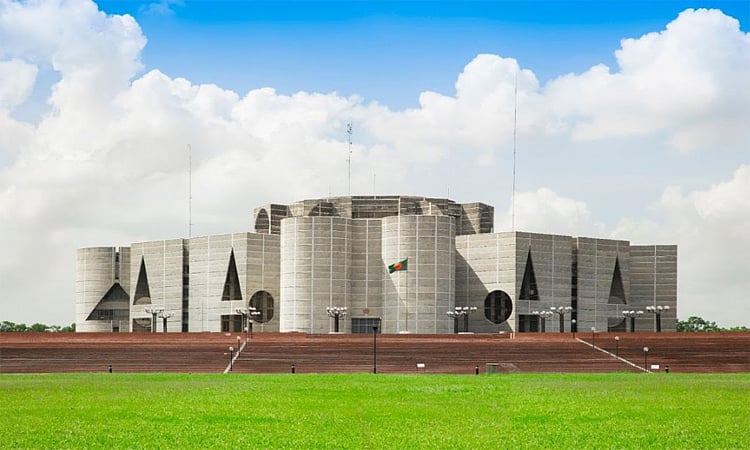
Opposition MPs boycott NHRC Bill discussion over lack of consultation
Opposition lawmakers skip National Human Rights Commission Bill discussions, citing inadequate stakeholder consultation and rushed parliamentary process.
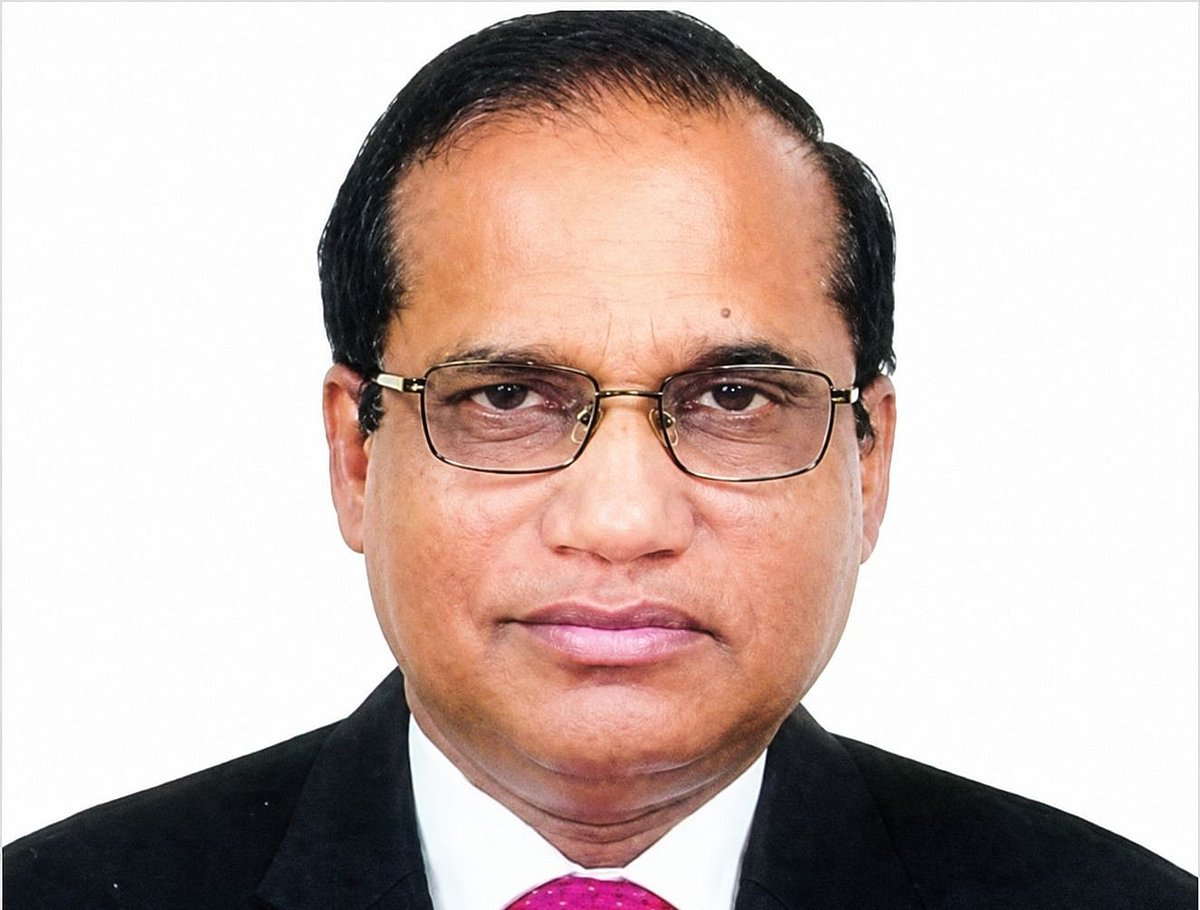
Bangladesh Banking Veteran Abul Kashem Md Shirin Joins filps as Advisor
filps appoints Bangladesh banking leader Abul Kashem Md Shirin as advisor, leveraging his expertise in digital finance infrastructure and regulatory compliance.
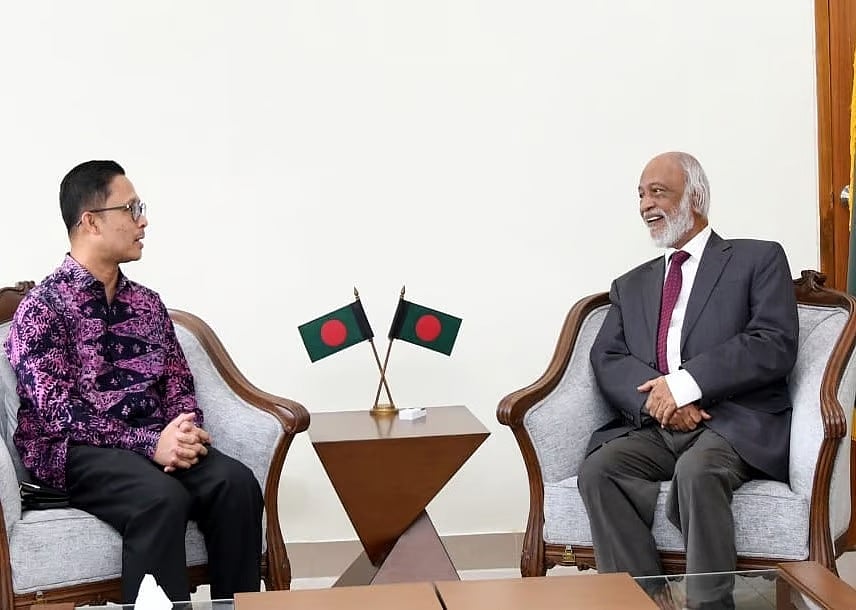
Malaysia to Resume Labor Migration from Bangladesh in September 2024
Malaysia will resume recruiting 200,000 Bangladeshi workers from September, with 10,000 sent free of charge. Learn about new policies and infrastructure investments.
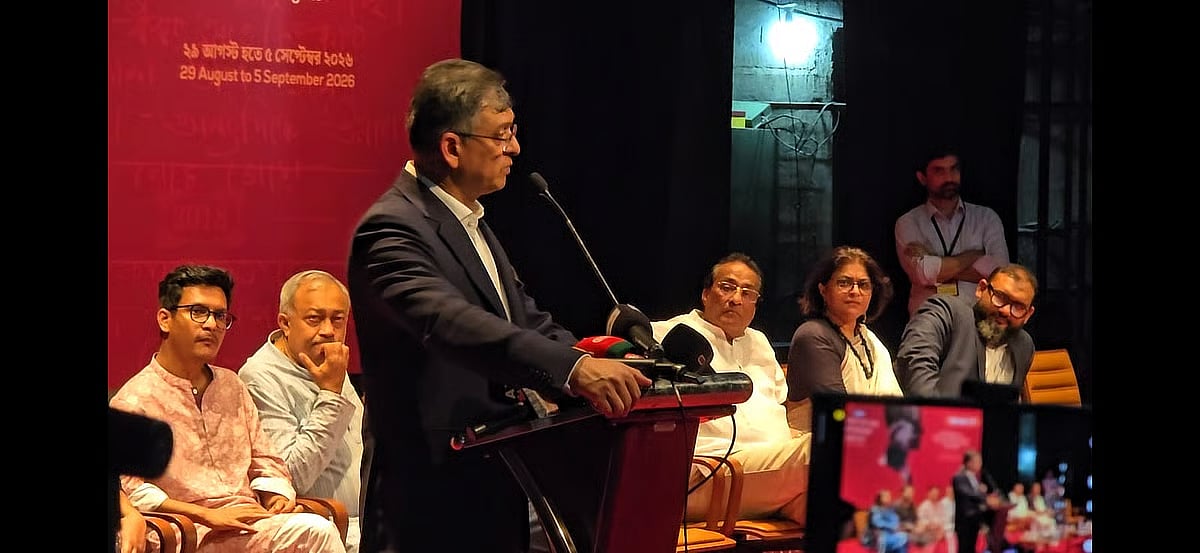
Home Minister Salahuddin Ahmed becomes emotional while recounting his 61 days in enforced disappearance
Home Minister Salahuddin Ahmed publicly recounted the harrowing 61 days he spent in enforced disappearance more than nine years after the ordeal, speaking at a...
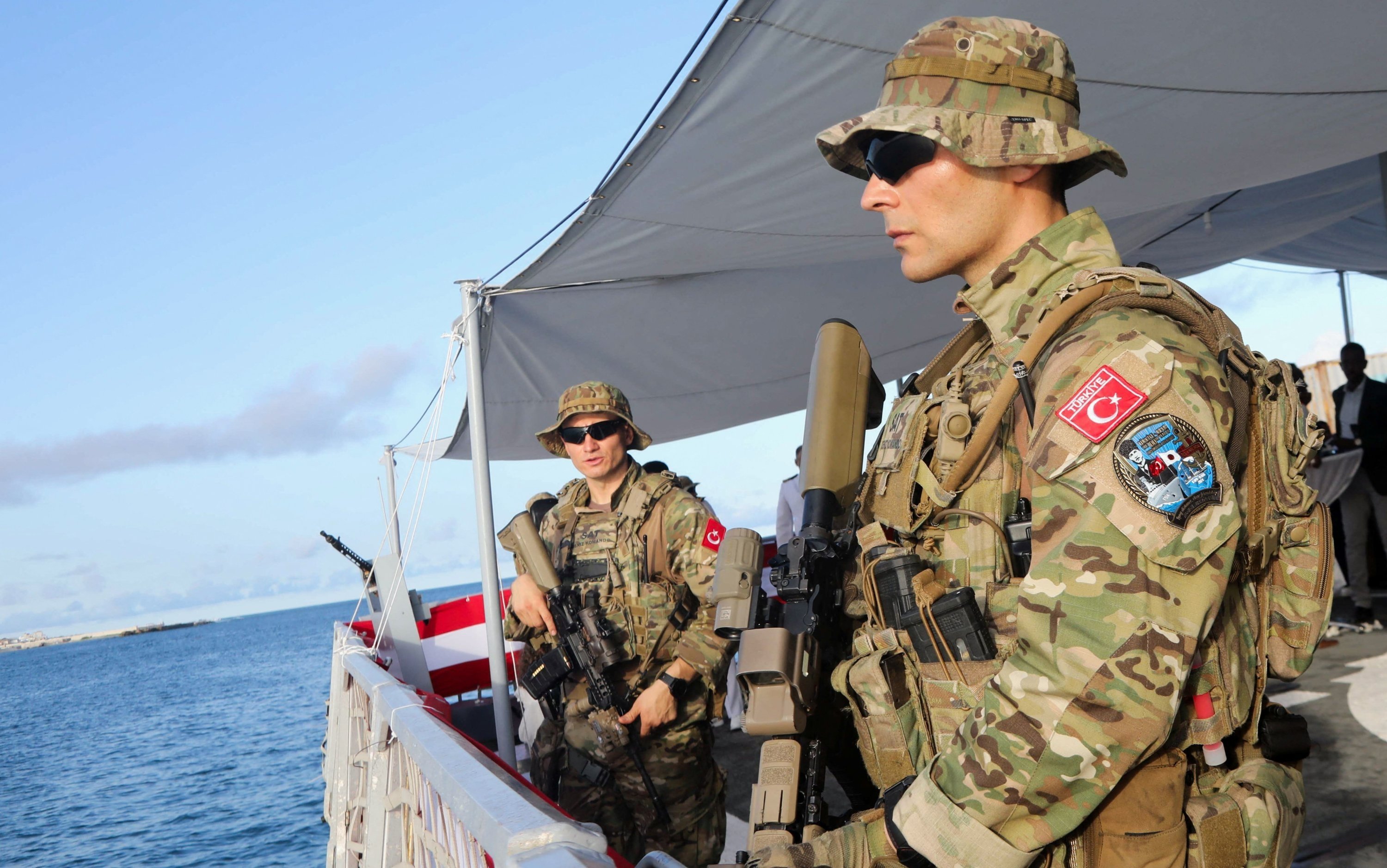
Turkish Navy and Somalia Rescue Hijacked Vessel, Kill 14 Pirates
Opposition MPs boycott NHRC Bill discussion over lack of consultation
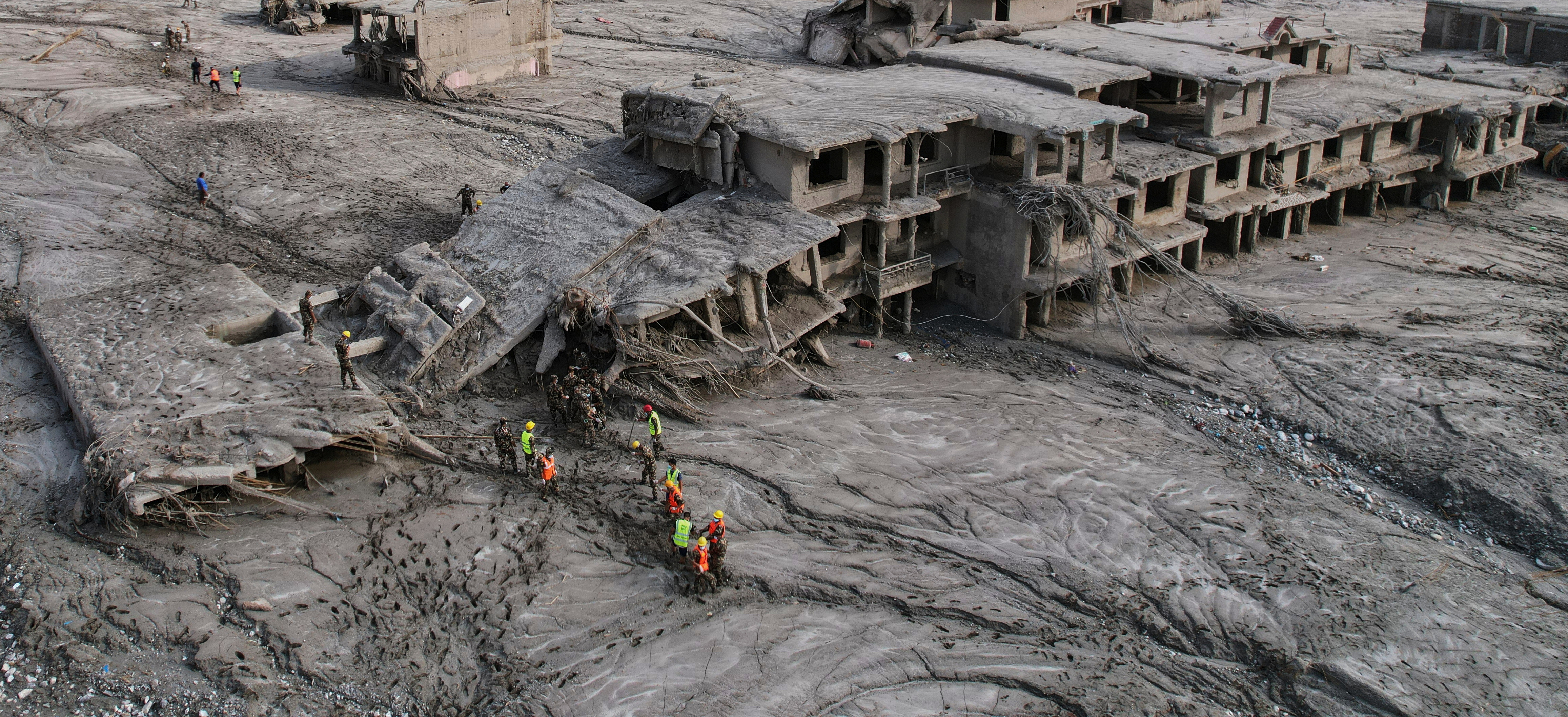
Nepal Issues Fresh Flood Alert as Death Toll Rises in Himalayan Disaster

NDLEA Seizes N6.2bn Drugs at Lagos Airport in Major Anti-Narcotics Operation