FEMA Delay Leaves Texas Flood Victims Without Critical Disaster Aid Six Weeks On
Six weeks after catastrophic Texas floods, most federal disaster aid remains unapproved, leaving communities struggling to rebuild roads, homes, and lives.

Six weeks after severe flooding struck southwest Texas in July, federal disaster assistance remains largely unavailable to affected individuals and local governments, despite requests from state officials.
President Donald Trump has not yet approved most of the requested federal aid, which is needed for repairs to homes, bridges, and roads in counties like Uvalde and Kerr. Local leaders say the delay is leaving communities without critical resources.
Uvalde County faces extensive damage, with numerous roads and bridges in need of permanent repairs. Acting Uvalde County Judge Jerry W. Bates expressed frustration over the lack of federal support. "That’s what we’re looking for: help," he said.
In Kerr County, where many residents are recovering from a second flood in two years, the community lacks funds to provide temporary housing, vehicle repairs, and home restoration. Todd Bock, executive director of the Kerr Economic Development Corporation, described the situation as desperate. "We’re in desperate need of that (federal aid) in order for us to start on what we call a full recovery," he said.
Federal Emergency Management Agency (FEMA) data analyzed by the Urban Institute and *The Texas Tribune* shows that the Trump administration has taken longer to approve major disaster funding than previous administrations. Since Trump returned to office, communities have waited an average of nine-and-a-half weeks for a decision, compared to about three weeks in past administrations.
A major disaster declaration is required to unlock extensive FEMA funding for individuals and local governments. While Trump quickly approved limited emergency funds on July 18, this type of support is typically capped at $5 million. Texas initially requested $489.7 million in federal aid for long-term recovery efforts.
FEMA has only authorized funding for direct emergency work so far, leaving public infrastructure repairs and individual assistance unresolved. Maddie Sloan, director of the Disaster Recovery and Fair Housing Project at Texas Appleseed, warned that delays could force people into unsafe living conditions or prevent them from replacing essential items like school computers or work tools.
"Without that assistance, people who don’t have other resources might be living in homes that aren’t safe," Sloan said. Local governments also face financial strain as they wait for reimbursement for debris removal and repairs.
Historically, Texas has received major disaster declarations in less than a month in 13 of the past 20 cases. However, the Trump administration has denied a higher percentage of requests than previous administrations. As of August 24, 22 requests for major disaster declarations were denied this year—the most in a single year since at least 2000.
White House spokesperson Lauren Bis stated that Trump reviews disaster funding requests carefully to ensure tax dollars are spent responsibly. FEMA also emphasized that it reviews each request thoroughly based on unique circumstances.
A Trump-appointed council recommended shifting emergency response leadership to state and local governments, but Texas currently lacks programs to assist individual survivors or governments with recovery efforts.
Gov. Greg Abbott requested aid for 28 counties on July 17, citing record-breaking disasters, including wildfires and Hurricane Beryl. Preliminary assessments identified 4,778 flood-damaged structures across the state.
Kerr County Commissioner Rich Paces noted that this year’s damage exceeded last year’s, with 384 homes destroyed or severely damaged and nine of 11 bridges impaired. "Kerr County does not have the resources to respond and recover from a second major disaster just one year after the last," he wrote in a July 30 letter.
Uvalde Mayor Hector R. Luevano also experienced flooding in his home, as did many residents.
Experts warn that rural counties, already struggling with geographic isolation and weak labor markets, will suffer the most from delayed aid. Rice University sociology professor Jim Elliott questioned how rural areas can recover without federal support. "When you take that assistance away, who’s going to suffer most?" he said. "The people who aren’t richer, who don’t have the resources to recover themselves."
Comments (0)
No comments yet — be the first to weigh in.
Related Coverage
 Politics
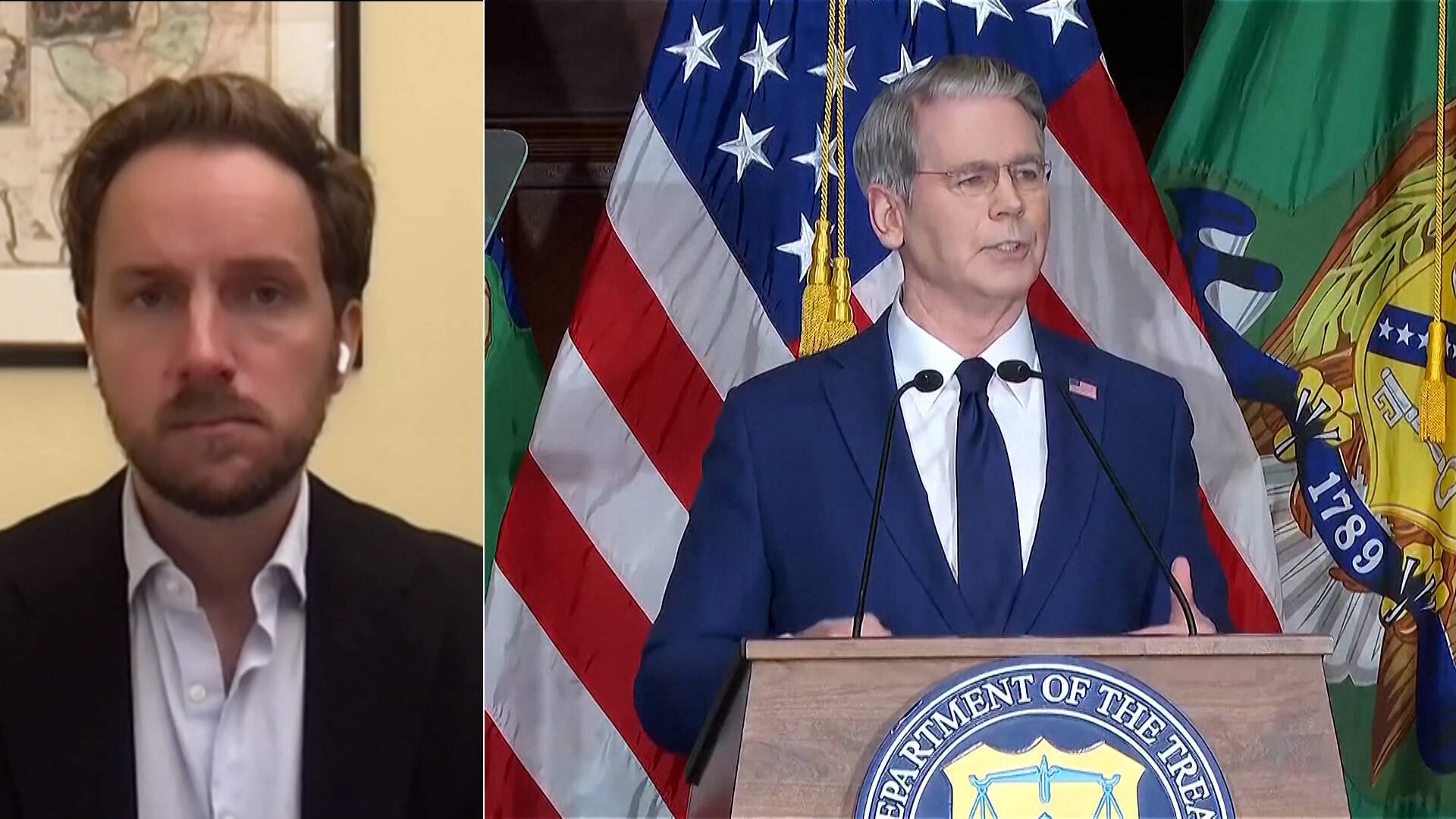
US Threatens New Iran Sanctions Targeting China and Allies: Analysis
The US administration announced plans to expand Iran sanctions, risking tensions with China and other top trading partners. Experts warn of limited impact on Iran and potential global financial consequences.
 Politics
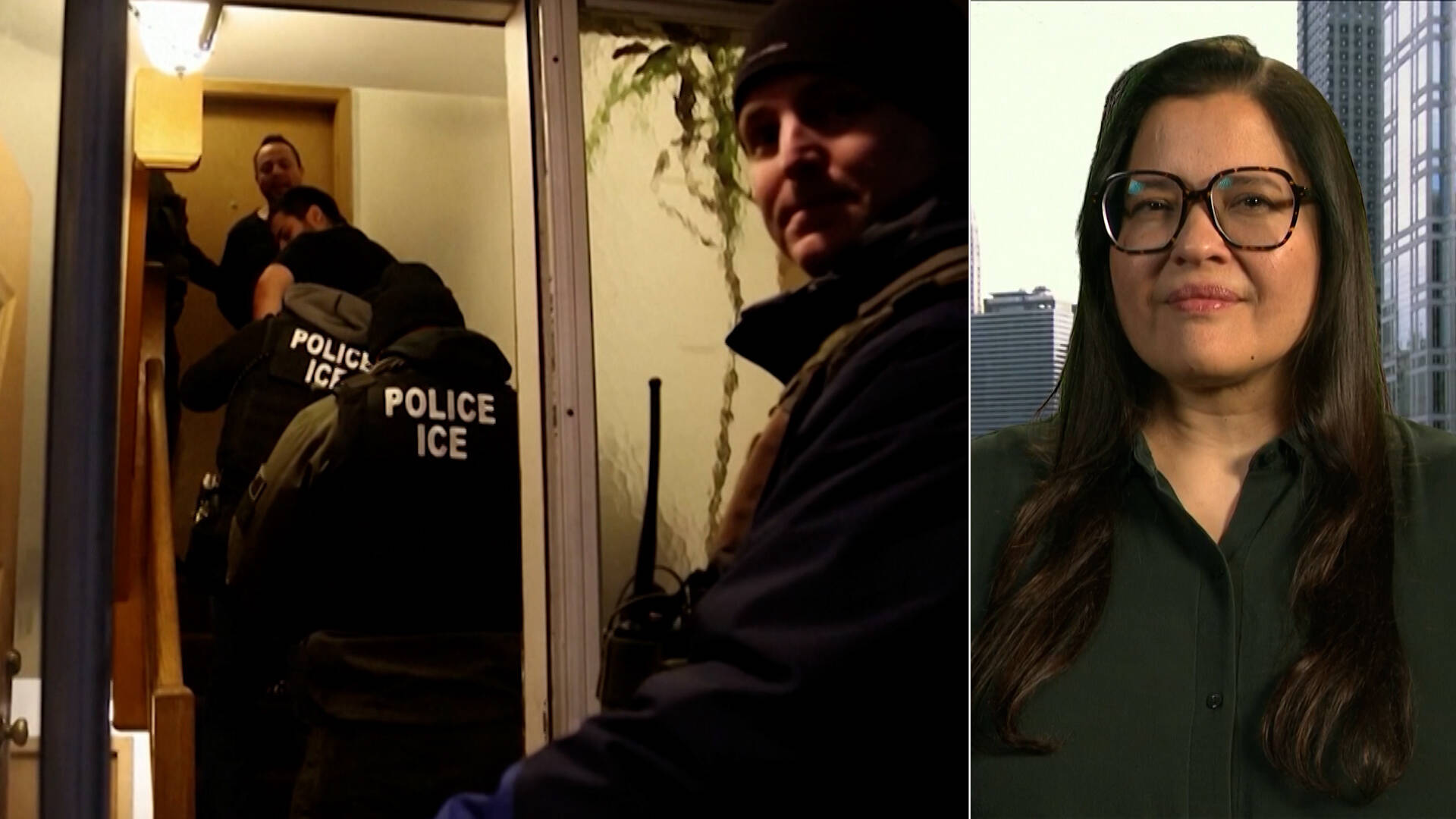
Illinois Is a Sanctuary State, But Cops & Prosecutors Still Secretly Work with ICE: Injustice Watch
Illinois, known as a sanctuary state under the TRUST Act, has seen local law enforcement and prosecutors secretly collaborate with U.S. Immigration and Customs...
 Politics
Autumn Hill Sentenced to 50 Years in Prison for Anti-ICE Protest: A Case of Political Persecution?
Activist Autumn Hill received a 50-year prison sentence for protesting outside a Texas ICE facility. Critics call her conviction a politically motivated use of terrorism charges against anti-fascist demonstrators.
 Politics
Headlines for August 26, 2026
Iran has resumed talks with Oman about managing the Strait of Hormuz while tensions in the region remain high, despite economic pressure from the United States....
Most Read

Tottenham Hotspur sign Omar Marmoush on loan from Man City with permanent deal option

Nepal Flash Floods Death Toll Rises to 626, Over 2,400 Missing
Nicole Rifkin’s New Yorker Cover Honors Dolly Parton’s Legacy
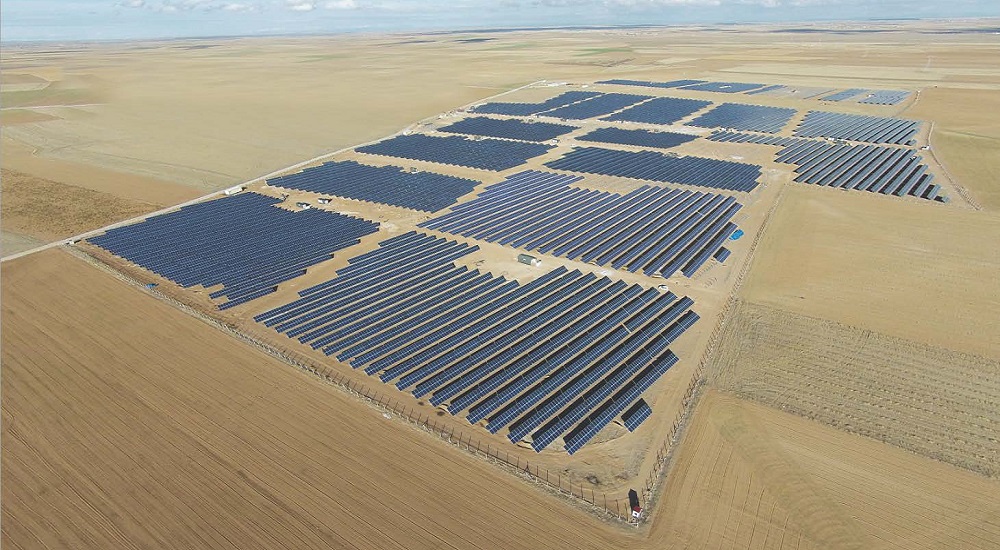
Machine Learning Boosts Irradiance Prediction for Bifacial Solar Panels