EU Carbon Border Tax Sparks Debate on Green Protectionism vs Global Climate Goals
The EU's carbon border tax aims to cut emissions but risks penalizing developing nations least responsible for climate change. Critics call it green protectionism that may undermine global transition efforts.
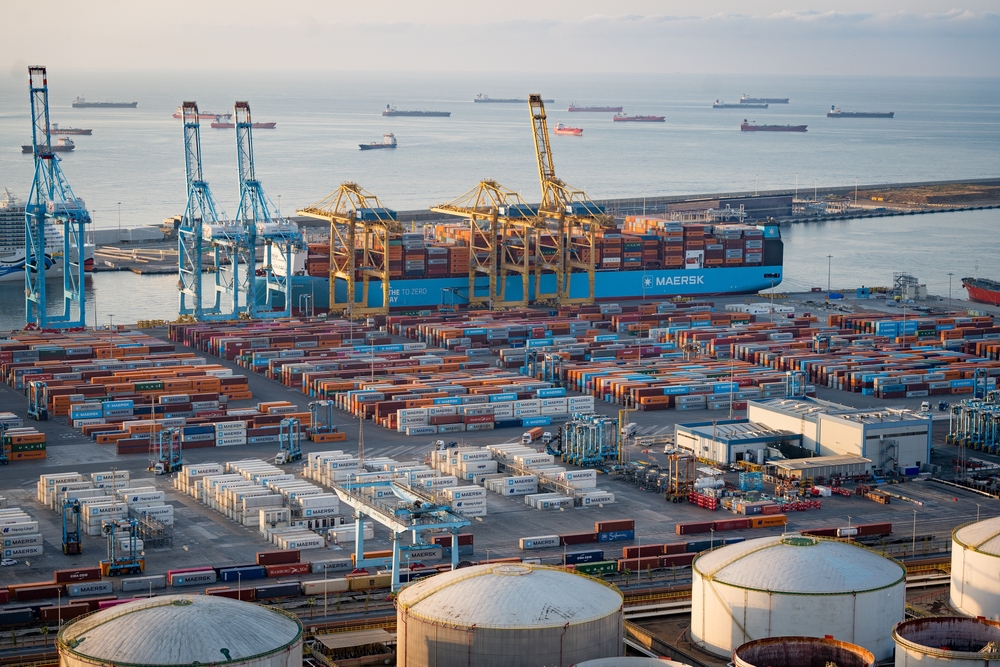
The European Union’s new Carbon Border Adjustment Mechanism (CBAM) took effect this year, imposing tariffs on imported goods from carbon-intensive industries to align with the bloc’s climate policies. While proponents argue it combats carbon leakage and protects EU industry, critics warn the policy disproportionately harms developing nations, raising concerns about climate justice and global trade fairness.
CBAM, which began its reporting phase in 2023 and will fully enforce carbon tariffs in 2026, applies to imports of cement, aluminum, fertilizers, iron, steel, hydrogen, and electricity. It mirrors the EU’s Emissions Trading System (EU ETS), requiring importers to purchase certificates priced at the EU carbon market rate. The policy aims to prevent carbon leakage—the shifting of high-emission production to countries with weaker environmental regulations—while maintaining EU industrial competitiveness.
However, CBAM’s structure has drawn criticism for its potential economic impact on developing countries, many of which contribute minimally to global emissions yet face steep costs in transitioning to low-carbon production. Unlike wealthier nations, poorer countries often lack the financial and technological resources to adopt cleaner industrial methods. The policy also penalizes smaller firms that struggle with emissions reporting and compliance, further widening economic disparities.
The EU’s approach has faced legal challenges, with opponents arguing that CBAM violates World Trade Organization (WTO) rules against discriminatory trade practices. The UN Framework Convention on Climate Change (UNFCCC) has also raised concerns, noting that unilateral measures like CBAM risk undermining international climate cooperation.
Developed nations’ failure to fulfill past climate finance commitments exacerbates these concerns. Under the 2009 Copenhagen Accord, wealthy countries pledged $100 billion annually to support developing nations in climate adaptation and mitigation. However, much of this funding has come in the form of loans rather than grants, increasing debt burdens in the Global South. The EU, including countries like France, Austria, and Spain, has been criticized for relying heavily on loans, which critics say could trap vulnerable nations in cycles of debt while hindering long-term green transitions.
The EU’s policy also reflects a broader trend of "green protectionism," where climate goals are pursued through trade barriers rather than equitable global cooperation. The U.S. has taken notice, with bipartisan support for carbon border adjustments, framed as both a climate and geopolitical tool. The Inflation Reduction Act (IRA) similarly prioritized domestic green industries, drawing accusations of economic nationalism disguised as climate action. Critics argue that such policies, while advancing domestic interests, undermine international climate solidarity.
As CBAM sets a precedent for global carbon border taxes, its implementation will be closely watched. While it seeks to align trade with climate objectives, its potential to deepen global inequalities raises critical questions about the balance between environmental protection and economic justice.
Comments (0)
No comments yet — be the first to weigh in.
Related Coverage
 World
World
Cannabis smell at US Open is distracting - Boulter
British number one tennis player Katie Boulter has voiced concerns over the strong smell of cannabis distracting players at the US Open in New York. Speaking ah...
 World
World
Nottingham Forest Eye £40m Bid for Everton's Teenage Midfielder Harrison Armstrong
Nottingham Forest is preparing a £40m offer for 19‑year‑old Everton midfielder Harrison Armstrong, a move that could surprise the club and shock fans.
 World
World
Slow start makes me want to stay - Norris extends McLaren deal to 2030
Lando Norris has signed a contract extension with McLaren, committing to the team through at least the end of the 2030 Formula 1 season. The 26-year-old British...
 World
World
Wales NHS gender surgeries paused for review into referral numbers
The Welsh Gender Service, based at St David’s Hospital in Cardiff, has temporarily suspended all new and scheduled referrals for gender-affirming surgeries as h...
Most Read

Harlequins Sign Zimbabwe Winger Edward Sigauke for 2024 Season

Norway bids farewell to King Harald as crowds gather at royal palace
Kacey Musgraves: How Country-Pop Crossover Shaped Modern Americana

Top Chinese Solar Firms Report H1 2026 Losses Amid Market Challenges