Crocodiles as prison guards: Israeli moat plan dehumanizes Palestinian prisoners
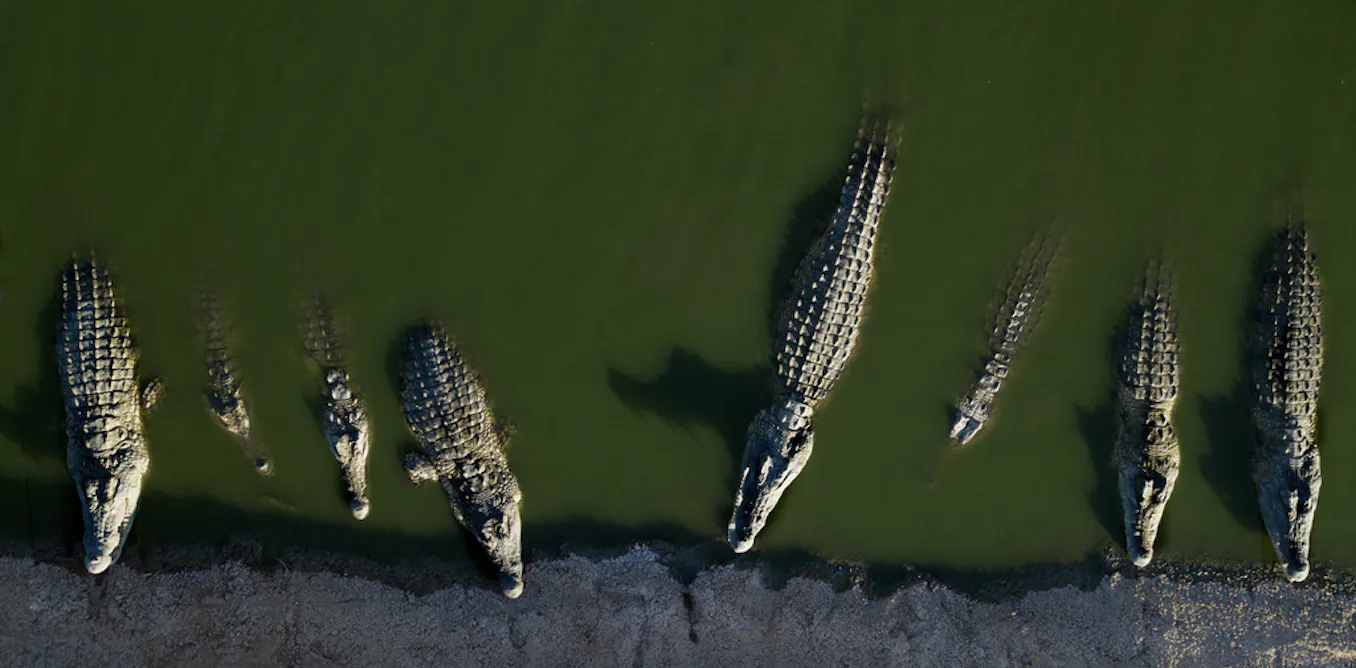
Israeli National Security Minister Itamar Ben-Gvir’s proposal to surround Ketziot prison in southern Israel with Nile crocodiles in a water-filled moat has drawn widespread attention and legal challenges, raising concerns over animal welfare and the dehumanization of Palestinian security detainees.
On August 5, 2026, Ben-Gvir and Environmental Protection Minister Idit Silman visited the partially constructed moat at Ketziot prison, located in the Negev Desert near the Gaza border. Their visit, documented on social media, followed a temporary injunction by the Jerusalem District Court preventing the transfer of crocodiles to the site. Despite the court order, the government has continued construction, allocating $7 million for the project and hiring an architect to design facilities including shade structures for the animals.
The plan has faced strong opposition from Israeli conservation experts and legal advisers, including Silman’s own legal counsel. In an August 16 appeal, 36 leading ecologists and conservationists warned of the risks to both crocodiles and public safety, questioning the suitability of crocodiles for prison security. They argued that the animals are inactive for long periods, particularly in cooler weather, and that modern prisons rely on far more effective surveillance and confinement technologies.
Nile crocodiles were once native to the region but were eradicated by the early 20th century due to habitat destruction and wetland drainage during the late Ottoman and British Mandate periods. Their reintroduction came decades later through crocodile farms, which marketed the animals as tourist attractions and for their skins. In 1990, Israeli law created a “cultivated wildlife” exception allowing the commercial breeding of species like crocodiles under state supervision.
The legal status shifted again in 2010 when Israel revoked the “cultivated wildlife” designation after crocodiles escaped and public safety concerns grew. In 2025, authorities killed 262 crocodiles at a Jordan Valley facility, citing negligence and public risk. In 2026, Silman revived the dormant category to permit the use of crocodiles for “security purposes,” a decision criticized by conservationists and legal experts.
Critics also highlight the symbolic dimension of the plan. Ben-Gvir has stated that dangerous prisoners “deserve to be guarded by an animal,” drawing a direct comparison between human detainees and crocodiles. This rhetoric fits a pattern of dehumanization—referred to as “zoometrics”—in which comparisons to despised animals are used to justify violence. Such language has precedents in historical and contemporary contexts where dehumanization has preceded acts of severe harm.
Legal challenges to the plan remain pending as the court case continues. Meanwhile, Ben-Gvir has condemned the injunction as supportive of terrorism and pushed forward with construction. The broader implications of the proposal extend beyond animal welfare, reflecting how settler colonial policies in Israel have historically weaponized both human and non-human life—from military dogs and wildlife to livestock—in strategies of territorial control and dispossession.
#CrocodilePrison #Israel #PalestinianDetainees #KetziotPrison #ItamarBenGvir #IditSilman #NileCrocodiles #Zoometrics
Comments (0)
No comments yet — be the first to weigh in.
Related Coverage
 Science
DSM-6 to Integrate Biology in Mental Health Diagnosis for First Time
The DSM-6 will incorporate biological factors for the first time, marking a shift towards evidence-based psychiatry. Explore the challenges and advancements in neurobiology shaping the next edition.
 Science
Islanders asked to report sightings of rare eel
Islanders Urged to Report Sightings of Critically Endangered European Eel in Guernsey Guernsey’s Nature Commission is appealing to residents to report sightings...
 Science
The importance of teaching students what AI can’t do
The growing role of artificial intelligence in education raises concerns about over-reliance on AI tools and the potential erosion of critical thinking skills a...
 Science
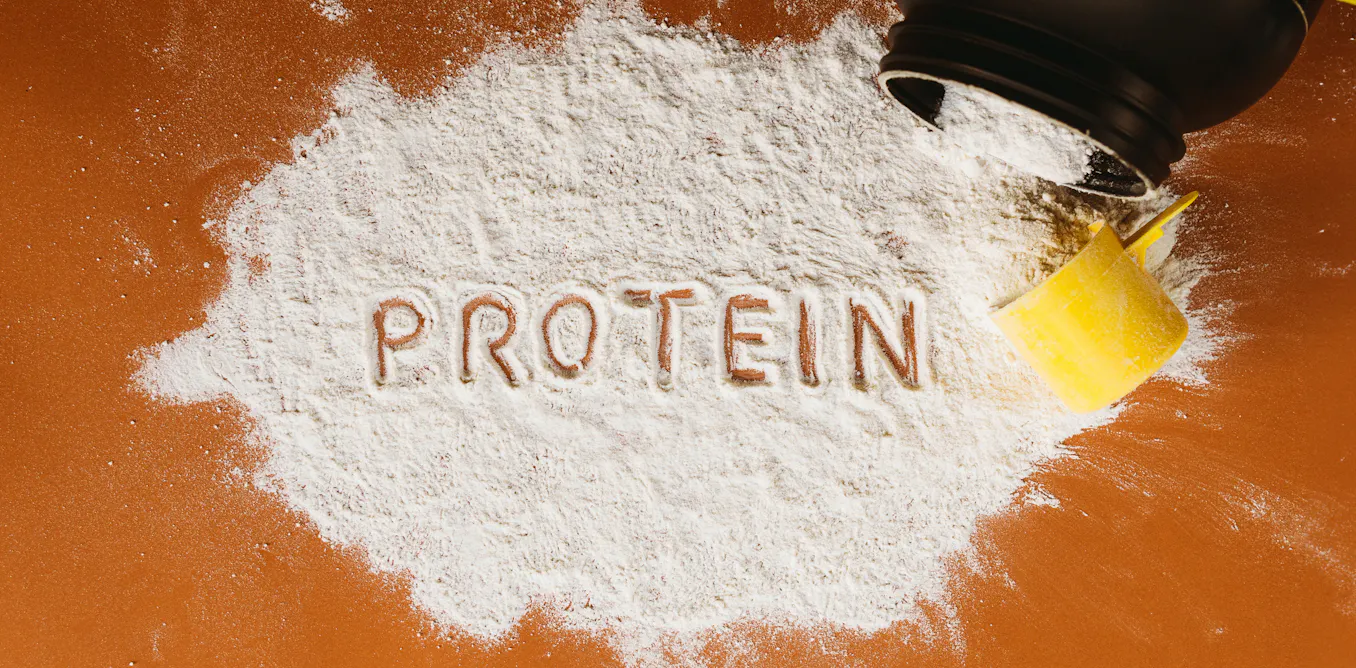
More protein in your breakfast or snacks won’t give you more muscle without more work – a biologist separates the science from the marketing
The modern breakfast aisle looks dramatically different than it did a generation ago, with protein-enriched cereal, bread, chips, and even Pop-Tarts now crowdin...
Most Read

Autumn Hill Sentenced to 50 Years in Prison for Anti-ICE Protest: A Case of Political Persecution?

Hull City Secure 1-0 Away Win at Coventry, Maintain Perfect Premier League Start
DSM-6 to Integrate Biology in Mental Health Diagnosis for First Time

Russian Drone Strike on Kiev Ammo Depot Kills 37, Sparks Evacuations
