Climate Change Triggers Deadly Himalayan Floods, Over 2,000 Feared Dead
Catastrophic floods in Nepal-Tibet after glacial collapse leave at least 547 dead, 1,500 missing, and 93,000 displaced. Climate scientists warn of accelerating glacial melt and inadequate global climate action.
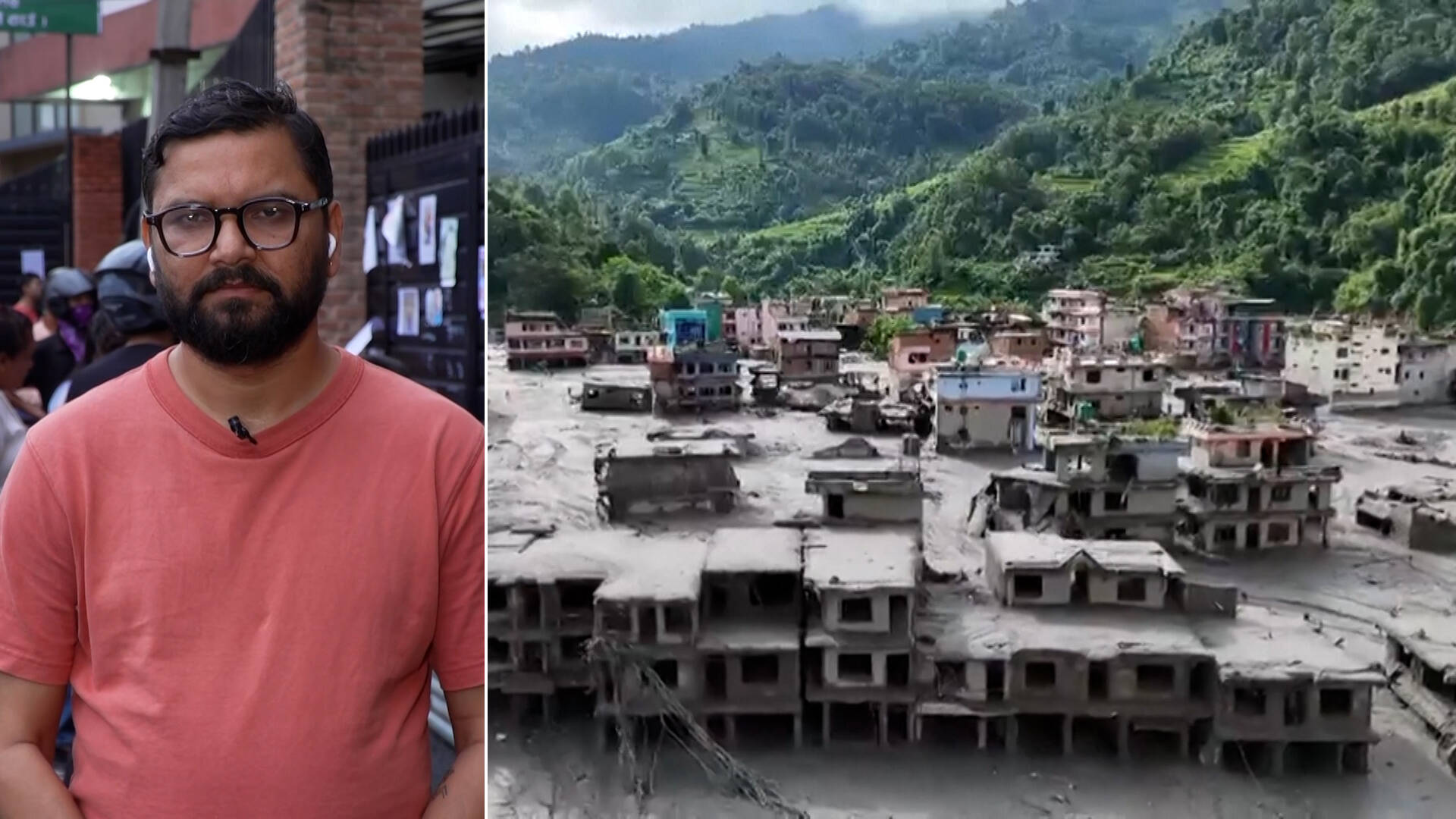
At least 547 people have been confirmed dead and more than 1,500 remain missing after a glacial collapse triggered catastrophic flooding along the Nepal-Tibet border, authorities reported Saturday. The disaster, described by geologists as a glacial avalanche and landslide so powerful it registered on seismic monitors, sent a wall of ice, mud and rock crashing into a Himalayan river, raising water levels by as much as 27 feet in just 30 minutes.
Nepali officials say over 3,700 people have been rescued, but the death toll is expected to rise as recovery teams locate more victims swept far downstream by the floodwaters. Local morgues are nearing capacity amid the grim task of identifying remains. The crisis has displaced an estimated 93,000 people, according to the Nepal Red Cross, with concerns growing over a potentially unstable landslide dam upstream that could breach and trigger another flood.
Among the missing are hundreds of foreign tourists, including up to 100 from the United States, en route to a major pilgrimage site sacred to Hindus, Buddhists and Jains. An Indian tourist described fleeing the floodwaters after seeing a wall of mud and debris surge toward her village: "We saw the gush of water all the way, dirty mud... rising all the way, four-story high. We ran for our life. We ran 500 steps all the way up the mountain to be safe."
Climate scientists warn the Himalayas are warming at nearly twice the global average, accelerating glacial melt and increasing the frequency of deadly glacial lake outburst floods. Nepal has lost nearly a third of its total ice volume over the past 30 years, with experts noting this week's disaster was the third major flood in the same region in recent years.
Sunil Acharya, climate and public policy specialist based in Kathmandu, called the tragedy "a glaring example of climate injustice" where vulnerable mountain communities bear the brunt of emissions from industrialized nations. "The number of people being killed, the number of properties being damaged has been way beyond what we can adapt to," Acharya said. He criticized the inadequacy of global climate action, stating that delayed emissions reductions have now exceeded the limits of adaptation.
The disaster also exposed vulnerabilities in Nepal's early warning systems. While the country maintains a network of river gauges, the sudden glacial collapse overwhelmed monitoring stations before alerts could be issued. Acharya noted that climate change has altered hazard patterns, rendering traditional warning systems less effective.
Chinese authorities have warned of a landslide-dammed lake upstream that could fail, posing further risk to downstream communities. Rescue operations are being hampered by heavy rains and the threat of secondary flooding, complicating efforts to recover survivors and recover bodies.
The catastrophe comes as world leaders prepare for the next round of United Nations climate negotiations, with activists urging immediate action to reduce emissions and fund adaptation measures in vulnerable nations.
Comments (0)
No comments yet — be the first to weigh in.
Related Coverage
 Politics
US Threatens New Iran Sanctions Targeting China and Allies: Analysis
The US administration announced plans to expand Iran sanctions, risking tensions with China and other top trading partners. Experts warn of limited impact on Iran and potential global financial consequences.
 Politics
Illinois Is a Sanctuary State, But Cops & Prosecutors Still Secretly Work with ICE: Injustice Watch
Illinois, known as a sanctuary state under the TRUST Act, has seen local law enforcement and prosecutors secretly collaborate with U.S. Immigration and Customs...
 Politics
Autumn Hill Sentenced to 50 Years in Prison for Anti-ICE Protest: A Case of Political Persecution?
Activist Autumn Hill received a 50-year prison sentence for protesting outside a Texas ICE facility. Critics call her conviction a politically motivated use of terrorism charges against anti-fascist demonstrators.
 Politics
Headlines for August 26, 2026
Iran has resumed talks with Oman about managing the Strait of Hormuz while tensions in the region remain high, despite economic pressure from the United States....
Most Read

Tottenham Hotspur sign Omar Marmoush on loan from Man City with permanent deal option

Nepal Flash Floods Death Toll Rises to 626, Over 2,400 Missing
Nicole Rifkin’s New Yorker Cover Honors Dolly Parton’s Legacy
Machine Learning Boosts Irradiance Prediction for Bifacial Solar Panels