Chinese American Adoptees Struggle with Identity Amid One-Child Policy Fallout
Chinese adoptees in the U.S. face identity struggles due to abandonment during the one-child policy era. Many lack ties to their birth families or cultural roots.
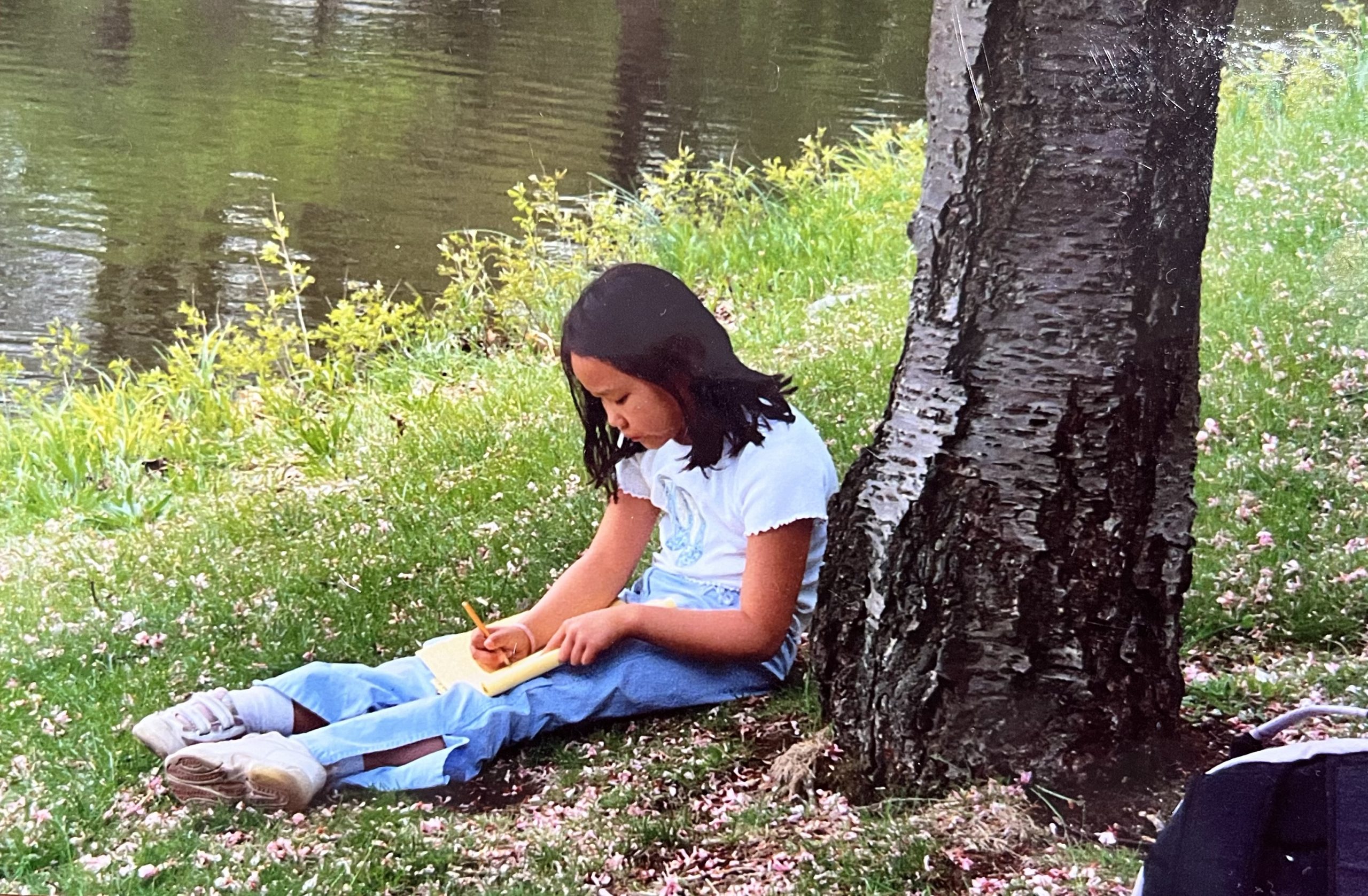
China's one-child policy, implemented in 1980 to control population growth, led to widespread abandonment and international adoption of Chinese children, particularly girls. The policy, enforced through fines, coercion, and restrictions on non-compliant families, ended in 2016. Cultural preferences for male heirs and economic pressures exacerbated the abandonment of female infants, with around 2 million children, mostly girls, left in orphanages or abandoned.
Between 1999 and 2016, U.S. parents adopted 78,257 children from China, over 60% of whom were girls. Many adoptees, raised in white, affluent households far from their cultural roots, struggle with identity and belonging. First-generation Chinese adoptees often lack connections to their biological families or cultural heritage, facing isolation and difficulty integrating into both American and Chinese communities.
Adoptees born in Wuhan, where COVID-19 originated, faced additional challenges. The pandemic and associated anti-Asian rhetoric, including terms like "Chinese virus" used by former President Donald Trump, intensified discrimination against Asian Americans, including adoptees. According to Stop AAPI Hate, one in five respondents reported experiencing hate incidents between March 2020 and September 2021.
Lian Parsons-Thomason, a Boston-based journalist and Chinese adoptee, shared her experiences of growing up in a predominantly white community, feeling disconnected from her heritage, and later finding solidarity within the Asian American and Pacific Islander (AAPI) community. Parsons-Thomason emphasized the lifelong journey of self-exploration and the importance of community in understanding generational trauma, internalized racism, and institutional oppression.
Experts note that the unique challenges faced by Chinese adoptees stem from the disconnect caused by international adoption, cultural differences, and the lack of access to their birth families' histories. The absence of documentation and the prevalence of child trafficking during the one-child policy era further complicate adoptees' efforts to reconnect with their origins.
Parsons-Thomason's story reflects the broader experiences of many Chinese adoptees, highlighting the need for greater awareness and support within both the adoptee and AAPI communities. As the number of Chinese adoptees continues to grow, their individual narratives contribute to a deeper understanding of the complexities surrounding identity, adoption, and cultural belonging.
Comments (0)
No comments yet — be the first to weigh in.
Related Coverage
 Politics
US Threatens New Iran Sanctions Targeting China and Allies: Analysis
The US administration announced plans to expand Iran sanctions, risking tensions with China and other top trading partners. Experts warn of limited impact on Iran and potential global financial consequences.
 Politics
Illinois Is a Sanctuary State, But Cops & Prosecutors Still Secretly Work with ICE: Injustice Watch
Illinois, known as a sanctuary state under the TRUST Act, has seen local law enforcement and prosecutors secretly collaborate with U.S. Immigration and Customs...
 Politics
Autumn Hill Sentenced to 50 Years in Prison for Anti-ICE Protest: A Case of Political Persecution?
Activist Autumn Hill received a 50-year prison sentence for protesting outside a Texas ICE facility. Critics call her conviction a politically motivated use of terrorism charges against anti-fascist demonstrators.
 Politics
Headlines for August 26, 2026
Iran has resumed talks with Oman about managing the Strait of Hormuz while tensions in the region remain high, despite economic pressure from the United States....
Most Read

Tottenham Hotspur sign Omar Marmoush on loan from Man City with permanent deal option

Nepal Flash Floods Death Toll Rises to 626, Over 2,400 Missing
Nicole Rifkin’s New Yorker Cover Honors Dolly Parton’s Legacy
Machine Learning Boosts Irradiance Prediction for Bifacial Solar Panels