A Society of Cheats
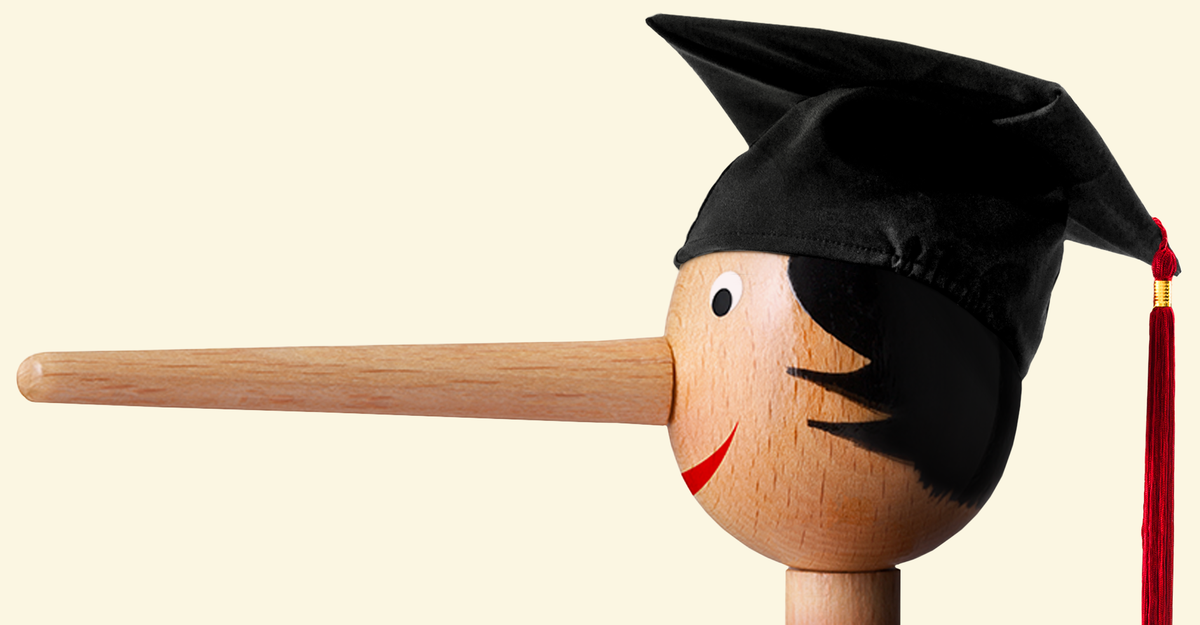
Higher education grapples with AI-driven academic dishonesty as students increasingly use tools like ChatGPT to cut corners, raising concerns about intellectual and moral decline. Faculty at institutions such as Harvard University and the University of Chicago report widespread reliance on AI-generated assignments, with surveys indicating that one-third of Harvard’s Class of 2026 admitted to using AI in unauthorized ways. Experts warn that this trend undermines academic integrity, fosters a culture of cheating, and could erode the value of higher education.
The rise of AI in classrooms has accelerated since late 2022, when educators first noticed suspiciously polished papers with unnatural writing patterns. A recent survey by *The Harvard Crimson* found that 93% of students who used AI against instructor rules were never caught, and among those who were, over half faced no consequences. Such low detection rates and minimal penalties have emboldened students to view cheating as a low-risk strategy.
“Earning” a degree is meant to signify both intellectual growth and ethical commitment, but many students now treat assignments as obstacles to bypass rather than opportunities to learn. Some defend their use of AI by arguing that it saves time or evens the playing field when peers are doing the same. This mindset reflects a broader erosion of shared values around fairness and effort, with faculty like Roberto Serrano at Brown University documenting dramatic shifts in student behavior—such as a perfect-score midterm after an exam format change, followed by plummeting performance once strict proctoring resumed.
The moral implications extend beyond grades. Faculty teaching leadership and ethics, including the author who has taught at Harvard and Chicago for over two decades, describe a growing normalization of dishonesty. Students accustomed to AI assistance may enter the workforce with ingrained habits of cutting corners and disregarding rules—attitudes that could undermine professional integrity in fields from business to medicine.
While universities slowly adapt—introducing AI detection tools and revising academic policies—the pace of change lags behind technological adoption. Institutions are also confronting a generational divide: some professors integrate AI into instruction, while others see it as a threat to authentic learning. Yet the core issue remains ethical. As Serrano warned, a society that tolerates widespread cheating risks intellectual and civic decline.
Without stronger deterrents and cultural pushback, the trend toward AI-enabled academic dishonesty may deepen, reshaping education—and society—into one where shortcuts are not just common, but expected.
#AIinEducation #AcademicIntegrity #Harvard #UniversityofChicago #BrownUniversity #StudentCheating #EthicsInEducation #HigherEd
Comments (0)
No comments yet — be the first to weigh in.
Roy Cohn Did It First
Roy Cohn, the controversial lawyer and political fixer who became a mentor to Donald Trump, remains one of the most polarizing figures in 20th-century American...

How a Convent Podcast Captivated Millions Beyond Catholic Circles
Discover why a Michigan convent's podcast blending spirituality and modern life has gone viral on TikTok, attracting millions of listeners worldwide.

6 Books to Sharpen Your Mind and Boost Focus This Fall
Discover six intellectually stimulating books to reawaken your focus and enhance your reading habits as summer ends and fall approaches.

Lucie Brock-Broido's Poetic Ode to Red in The Atlantic
Explore Lucie Brock-Broido's evocative poem 'Red Death' in The Atlantic, where red symbolizes passion, loss, and rebirth through vivid imagery.

Skepticism Surrounds Trump's Proposed Venezuelan Oil Deal for US

Middlesbrough's Crime Crisis: Decades of Failed Policies Unleash Chaos

Taxpayers Lost $65B to Obamacare Fraud in 2024; Feds Crack Down

How King Harald V of Norway quietly led the world in clean tech adoption